不平等条约

Search documents
2019年,美国公民拿出清政府发行的债券,要求中国偿还,结果如何
Sou Hu Cai Jing· 2025-10-07 06:37
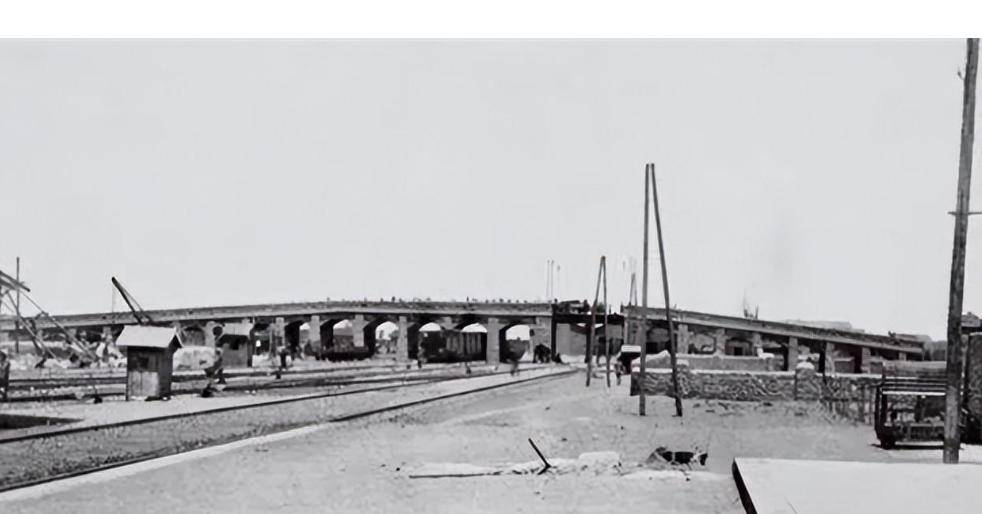
Core Viewpoint - The article discusses the historical context and contemporary implications of old Chinese bonds from the Qing Dynasty, highlighting their potential relevance in today's legal and international relations landscape. Group 1: Historical Context - The Qing Dynasty's railway construction became a focal point for international powers, with significant economic and strategic implications [1] - The U.S. showed keen interest in the railway project, leading to diplomatic pressure on the Qing government to include American capital in the financing [2] - The signing of the Hubei-Guangdong Railway Loan Contract involved intense diplomatic negotiations, resulting in foreign powers gaining substantial control over railway operations in China [3] Group 2: Political Changes and Debt - The establishment of the People's Republic of China in 1949 marked a shift in stance regarding historical debts, with the new government rejecting the Qing and Nationalist government contracts as products of unequal treaties [6] - The Chinese government undertook diplomatic efforts to nullify old debts, enhancing its sovereignty and control over domestic infrastructure [6] Group 3: Legal Disputes and Contemporary Issues - A lawsuit in 1979 regarding Qing Dynasty debts led to a U.S. court ruling that China owed over $41 million, which China rejected based on sovereign immunity [9] - In 2019, a proposal in the U.S. Congress suggested that China repay Qing Dynasty debts amounting to $1.6 trillion, reigniting discussions on these historical bonds [12] - Activist Bianca proposed that the U.S. government purchase these historical bonds as leverage in U.S.-China negotiations, indicating their perceived political and economic value [12] - Legal experts raised concerns about the enforceability of such bonds under U.S. law, given China's established sovereign immunity [15]