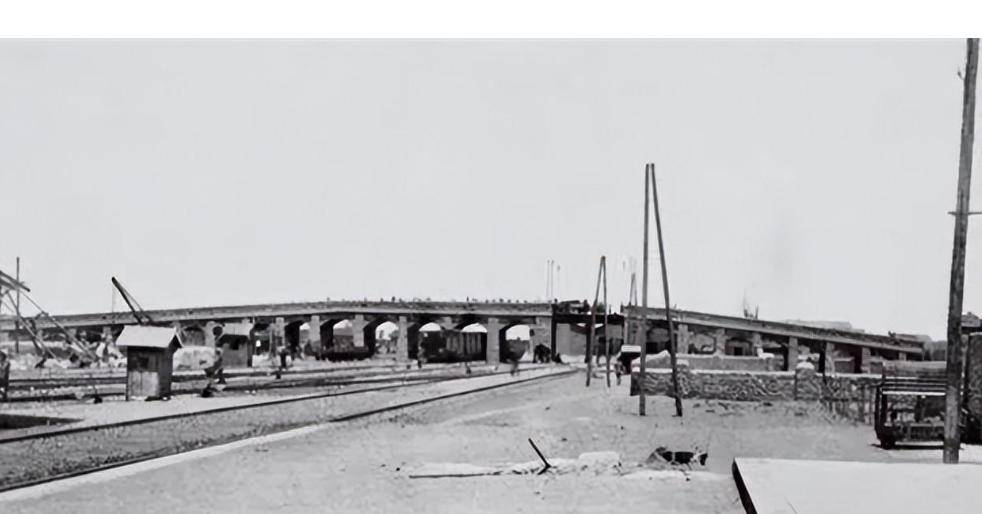
主权豁免权

Search documents
欧盟宣布永久冻结俄罗斯资产,还保留使用权利!乌克兰危机进入第四年,欧盟的援助资金即将见底
Sou Hu Cai Jing· 2026-01-20 16:51
Group 1 - The European Union (EU) has announced the permanent freezing of €210 billion of Russian assets, which is equivalent to the annual GDP of a small country, and retains the right to use these funds as leverage in negotiations [1] - Since the outbreak of the Russia-Ukraine conflict in 2022, Western countries have frozen approximately $300 billion of Russian overseas assets, with €210 billion located within the EU, primarily held in the European Clearing Bank in Brussels, generating about €3 billion in annual interest [1][3] - The EU's previous asset freezing measures required a vote every six months from all 27 member states, but the new "indefinite freeze" eliminates this requirement, allowing for a more streamlined decision-making process [3] Group 2 - Legal experts warn that the direct seizure of central bank assets may violate international law, and the European Central Bank president has cautioned that such actions could damage the credibility of the euro as a global reserve currency [5] - The EU had initially planned to use the frozen assets as collateral to provide loans to Ukraine, but ultimately decided to guarantee a €90 billion interest-free loan to Ukraine through the EU budget instead [5] - The EU is currently the largest financial supporter of Ukraine, which faces a significant funding gap, needing approximately $135 billion to maintain operations from 2026 to 2027 [5] Group 3 - The European Clearing Bank is facing over 100 legal lawsuits from Russia and holds approximately €16 billion in client assets within Russia, which may become targets for Russian countermeasures [8] - Various proposals have been discussed within the EU regarding the use of Russian assets, including issuing bonds backed by these assets to fund aid for Ukraine, but there is significant internal disagreement among member states [8] - The EU has already transferred €14 billion in earnings from the frozen Russian assets to Ukraine from January to September 2025, utilizing only the interest generated and not touching the principal amount [8] Group 4 - The EU's decision to permanently freeze Russian assets may influence the confidence of other countries' central banks in holding euro-denominated assets, as emerging economies begin to adjust their foreign exchange reserve structures [9] - There are concerns within the EU about the long-term implications of this precedent, as it may expose EU assets abroad to similar risks if other countries decide to follow suit [9] - Poland and the Baltic states are among the most supportive of a hardline stance against Russia, advocating for the direct use of frozen assets to aid Ukraine while believing that legal risks can be managed [9] Group 5 - Some members of the European Parliament have questioned the expansion of the EU Commission's powers, suggesting that such significant decisions should undergo more thorough discussion, while the Commission argues that current circumstances justify necessary measures under Article 122 of the EU Treaty [10]

冻结资产能否救乌克兰?欧盟计划引热议,核心分歧在这两点
Sou Hu Cai Jing· 2025-10-27 04:06
Core Viewpoint - The European Union (EU) is facing internal divisions over the proposal to use €140 billion of frozen Russian assets as aid for Ukraine, with significant implications for legal and financial stability [1][3]. Group 1: Background and Context - Following Russia's military actions in 2022, the EU froze a total of €140 billion in assets belonging to the Russian central bank, primarily held in Belgium [3]. - The EU Commission President Ursula von der Leyen proposed using these assets as "compensation loans" to support Ukraine, which is facing severe financial challenges due to ongoing military conflicts [3][5]. Group 2: Internal EU Disagreements - There are two opposing factions within the EU: supporters from Germany, France, and the Baltic states advocate for the use of the funds, viewing them as crucial for Ukraine, while Belgium and the European Central Bank (ECB) express significant reservations [5][7]. - Belgium's Prime Minister Alexander De Croo has raised concerns, insisting that the funds should not be classified as "confiscated assets" and that other EU countries must share the legal and financial risks involved [5][7]. Group 3: Legal and Financial Concerns - The ECB's President Christine Lagarde has publicly supported the "fair use" of these assets but remains cautious about potential violations of international law regarding sovereign immunity, which could jeopardize the credibility of the euro and financial stability in the eurozone [7][9]. - Experts emphasize the need for a solid legal framework to avoid setting a precedent that could discourage future investments in euro-denominated assets [9]. Group 4: Allocation of Funds - There is a debate on how the funds should be allocated, with German Chancellor Olaf Scholz advocating for military use, while Ukraine and some EU nations argue for a more flexible approach that includes humanitarian and infrastructure needs [11]. - The EU Commission has proposed a "dual pillar" approach, allocating part of the funds for military enhancement and the rest for conditional budget support to address various needs [11][13]. Group 5: Future Outlook - The ongoing discussions are expected to continue for several months, with no immediate resolution in sight, as the EU grapples with balancing legal principles and urgent humanitarian needs [15][17]. - The situation reflects a broader conflict between sovereign principles and practical requirements, highlighting the complexities of international financial governance [17].
2019年,美国公民拿出清政府发行的债券,要求中国偿还,结果如何
Sou Hu Cai Jing· 2025-10-07 06:37
Core Viewpoint - The article discusses the historical context and contemporary implications of old Chinese bonds from the Qing Dynasty, highlighting their potential relevance in today's legal and international relations landscape. Group 1: Historical Context - The Qing Dynasty's railway construction became a focal point for international powers, with significant economic and strategic implications [1] - The U.S. showed keen interest in the railway project, leading to diplomatic pressure on the Qing government to include American capital in the financing [2] - The signing of the Hubei-Guangdong Railway Loan Contract involved intense diplomatic negotiations, resulting in foreign powers gaining substantial control over railway operations in China [3] Group 2: Political Changes and Debt - The establishment of the People's Republic of China in 1949 marked a shift in stance regarding historical debts, with the new government rejecting the Qing and Nationalist government contracts as products of unequal treaties [6] - The Chinese government undertook diplomatic efforts to nullify old debts, enhancing its sovereignty and control over domestic infrastructure [6] Group 3: Legal Disputes and Contemporary Issues - A lawsuit in 1979 regarding Qing Dynasty debts led to a U.S. court ruling that China owed over $41 million, which China rejected based on sovereign immunity [9] - In 2019, a proposal in the U.S. Congress suggested that China repay Qing Dynasty debts amounting to $1.6 trillion, reigniting discussions on these historical bonds [12] - Activist Bianca proposed that the U.S. government purchase these historical bonds as leverage in U.S.-China negotiations, indicating their perceived political and economic value [12] - Legal experts raised concerns about the enforceability of such bonds under U.S. law, given China's established sovereign immunity [15]