个人所得税减税

Search documents
特朗普用关税来减税的逻辑
日经中文网· 2025-04-14 03:18
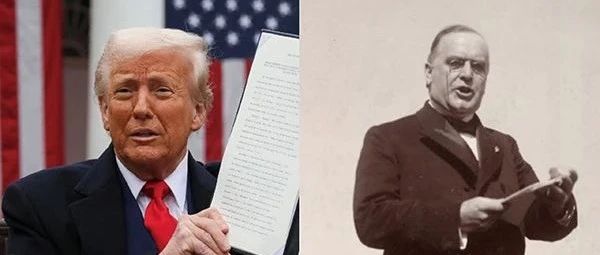
Core Viewpoint - The article discusses the implications of the 16th Amendment to the U.S. Constitution, highlighting the shift from tariffs as a primary source of government revenue to income taxes, and the current challenges faced by the Trump administration in addressing fiscal deficits and national debt [1][2]. Group 1: Historical Context and Current Challenges - The 16th Amendment marked a significant change in U.S. fiscal policy, transitioning from tariffs, which accounted for 40-60% of government revenue in the late 19th century, to income taxes [1][2]. - Trump's administration is attempting to reverse this trend by proposing to generate revenue through tariffs, aiming to utilize tens of billions of dollars to fund tax cuts and reduce government debt [2][3]. - The projected extension of personal income tax cuts by 4.5 trillion dollars over ten years raises concerns about the lack of clear funding sources, as the U.S. national debt has reached approximately 36 trillion dollars, with interest payments exceeding defense spending [2][3]. Group 2: Economic Implications of Tariff Policies - While tariffs could potentially increase revenue, estimates from the Tax Foundation suggest that the revenue may only reach 2.9 trillion dollars, less than half of expectations, due to companies taking measures to avoid tariffs [3]. - The global stock market's decline signals that the era of relying on tariffs as a core economic strategy is no longer viable, as the existing global supply chain is unprepared for price increases resulting from tariffs [3][4]. - The article reflects a nostalgic sentiment for past economic policies, referencing Alexander Hamilton's advocacy for protective tariffs, but notes that the optimal tax system of the early U.S. is not applicable today [3]. Group 3: Historical Lessons and Future Outlook - The article cites former President McKinley, known as the "Tariff King," who later regretted high tariff policies, realizing that U.S. manufacturing needed access to international markets for growth [4]. - The current economic situation, characterized by unsustainable debt growth and declining industrial strength, suggests that nostalgia for past policies may not provide effective solutions for contemporary challenges [4].