中医传承

Search documents
医学之路漫漫,幸得良师引路
Xin Lang Cai Jing· 2026-01-28 18:54
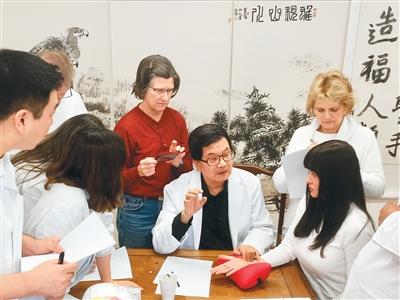
Core Insights - The article highlights the deep mentorship relationship between a doctor and an expert in acupuncture, emphasizing the importance of traditional Chinese medicine (TCM) in modern healthcare [2][3]. Group 1: Mentorship and Learning - The expert, Liu Zhengmao, provides guidance to the doctor, emphasizing the need for precision in diagnosis and understanding patient needs [3]. - Liu's hands-on teaching approach includes detailed instructions on rehabilitation techniques and personalized recovery plans for patients [3][4]. Group 2: Patient Care and Treatment Success - A notable case involved a patient with a long-standing elbow joint issue, where Liu's approach combined technical skill with an artistic understanding of treatment, leading to significant patient recovery [4]. - Another case involved a patient with unexplained ankle swelling, where a comprehensive treatment plan integrating acupuncture and herbal medicine resulted in complete symptom resolution [4]. Group 3: Educational Approach - Liu conducts theoretical classes that connect clinical cases with the principles of acupuncture, promoting a modern understanding of TCM while respecting traditional methods [5]. - The mentorship extends beyond technical skills, instilling a sense of responsibility and academic rigor in the next generation of practitioners [5].

川派中医 往日荣光如何重来 认识中医了解中医,才能爱上中医
Si Chuan Ri Bao· 2026-01-04 07:19
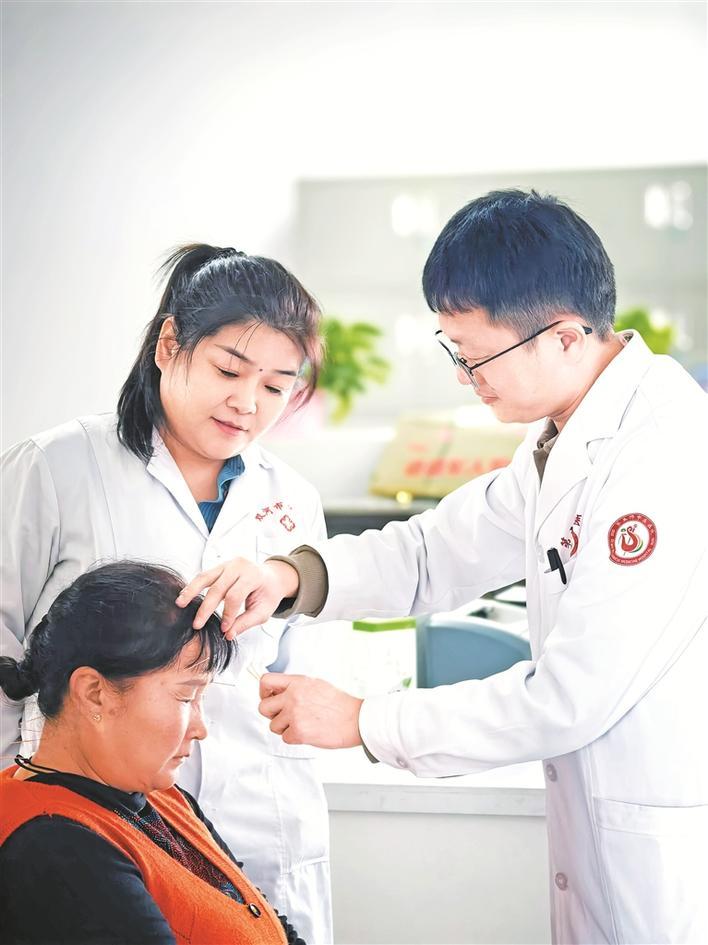
Core Viewpoint - The article discusses the decline of the Sichuan school of traditional Chinese medicine (TCM) and the need for revitalization through increased public awareness and education [5][7][10]. Current Situation - The Sichuan province, known as a "hometown of TCM," has seen a decrease in the influence of its traditional practices, particularly among younger generations who prefer Western medicine [5][6]. - The lack of interest in TCM among young people is evident, with a higher preference for Western medicine when seeking treatment [5][7]. - The decline in the number of TCM schools and the loss of historical literature are contributing factors to the diminishing influence of Sichuan TCM [5][6]. Reasons for Decline - Three main reasons for the decline in the influence of Sichuan TCM are identified: lack of public understanding, disconnection between education and practice, and challenges in the transmission of TCM theories [7][8]. - Misunderstandings about TCM's theoretical framework and its effectiveness compared to Western medicine contribute to its declining popularity [7][8]. - The current educational system does not prioritize in-depth study of classical TCM texts, which is essential for developing competent practitioners [7][9]. Suggestions for Revitalization - Increasing public awareness and trust in TCM is crucial, with recommendations to enhance TCM education in schools to foster understanding among students and their families [8][10]. - The preservation of TCM schools and their academic contributions should be prioritized through official efforts to document and protect their teachings [8][10]. - TCM education should integrate classical texts comprehensively rather than in fragmented parts to ensure a holistic understanding [9][10]. Promotion of TCM Culture - Engaging the public with interesting cultural narratives related to Sichuan TCM can enhance interest and understanding [10][11]. - The cultivation of professional science communication talent is essential to ensure accurate dissemination of TCM knowledge and to counteract misinformation [11].
行于医途 守于本心(侨界关注)
Ren Min Ri Bao Hai Wai Ban· 2025-11-30 22:51
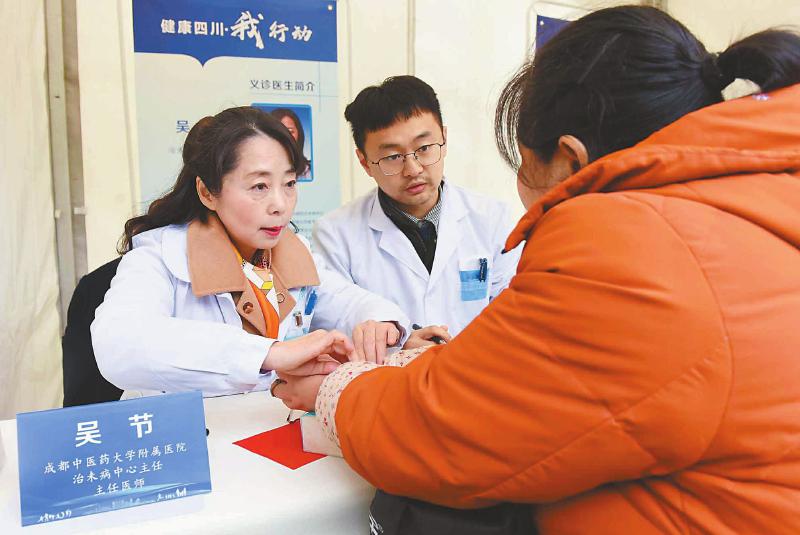
Core Insights - The article highlights the journey of Wang Xuezhi, a traditional Chinese medicine (TCM) practitioner, who has dedicated his life to promoting TCM globally, integrating it with cultural elements like martial arts and painting [1]. Group 1: Heritage and Education - Wang Xuezhi was born into a family of traditional Chinese medicine practitioners, which instilled in him a deep love for TCM from a young age [2]. - His early experiences included accompanying his father on medical visits and learning the principles of TCM through classical texts like the "Huangdi Neijing" [2][3]. - Wang's academic journey included studying at Beijing University of Chinese Medicine, where he contributed to professional publications, showcasing his commitment to the field [3]. Group 2: International Practice - After graduating, Wang Xuezhi sought to understand how TCM was perceived worldwide, leading him to the United States to teach and practice [6]. - He faced significant challenges in the U.S., where acupuncture was not yet legalized, and he worked to promote TCM through lectures and free clinics across 48 states [6][7]. - Wang successfully passed the acupuncture licensing exam in Washington State and advocated for the inclusion of acupuncture in health insurance, which eventually led to legislative changes across multiple states [7]. Group 3: Cultural Integration - Wang Xuezhi's practice included innovative treatments, such as using "Five Sounds Therapy" to help a Western doctor with heart issues, demonstrating the effectiveness of TCM methods [8]. - He believes that art and medicine share a common foundation, emphasizing the importance of "qi" in both fields, and has integrated his artistic pursuits with his medical practice [8][9]. - Wang's philosophy includes the idea that martial arts and medicine are interconnected, advocating for a holistic approach to health that encompasses physical and mental well-being [9].