
中医师承定向培养

Search documents
破解村医留不住,浙江安吉探索“从村里来回村里去”
第一财经· 2026-01-20 06:57
Core Viewpoint - The article discusses the persistent issue of talent shortages in grassroots healthcare institutions in China, emphasizing the need for effective training and retention strategies for rural medical professionals [2][4]. Group 1: Background and Challenges - Grassroots healthcare in China faces a "talent shortage," with a significant "siphoning effect" causing medical professionals to concentrate in urban hospitals, leaving rural clinics understaffed and aging [2][4]. - A study published in the British Medical Journal indicates that only about 38.54% of rural order-oriented medical students remain in grassroots positions after graduation, highlighting the gap between expectations and reality in rural healthcare [4]. - Previous attempts to recruit and retain medical graduates in rural areas have largely failed, with many students not staying in their assigned positions due to limited career prospects and challenging working conditions [5][6]. Group 2: Innovative Solutions - In 2018, Anji County initiated a "Traditional Chinese Medicine (TCM) Apprenticeship Training + Rural General Practitioner Assistant" program to address the shortage of village doctors by recruiting local high school graduates interested in TCM [6][8]. - The program offers a structured training approach, including a four-year curriculum that combines theoretical learning with practical experience, ensuring that students are well-prepared to serve their communities [8][9]. - The first cohort of 44 students from this program successfully returned to their hometowns to practice medicine, demonstrating the effectiveness of local recruitment and targeted training [7][10]. Group 3: Program Outcomes and Impact - The "Anji-Zhejiang Chinese Medical University" collaboration has shown promising results, with students exhibiting better adaptability, local emotional connections, and integrated service capabilities compared to traditional medical graduates [8][9]. - The curriculum emphasizes a blend of TCM and Western medicine, focusing on public health service skills and the ability to manage common health issues, thus enhancing the overall healthcare delivery in rural areas [9][10]. - The model has been recognized for its potential to address the shortage of TCM professionals while improving comprehensive health management and general medical services in grassroots settings [9].

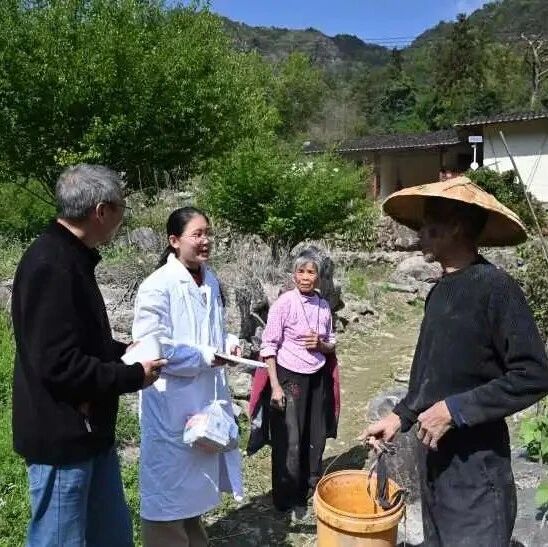
破解村医留不住,浙江安吉探索“从村里来回村里去”
Di Yi Cai Jing· 2026-01-20 05:21
为补充基层医疗力量,国家自2010年起推行农村订单定向医学生免费培养政策。然而,理想与现实之间 存在落差。中国卫生发展研究中心一项发表在《英国医学杂志》上的研究显示,订单定向医学生毕业后 仅约38.54%留在基层。职业发展空间有限、工作条件相对艰苦、与城市生活的落差,使得"下不去、留 不住"成为普遍现象。 "2013年,浙江中医药大学依托'浙江省中医人才培养创新实验区教改项目',着手开展农村定向培养五 年制中医学专业试点,但定向培养的学生职业预期与就业单位存在落差,仍然没有破解乡村医生'下不 去、留不住'的老大难问题。"黄文秀说。 为了改变农村医疗服务的现状,2007年,安吉面向全省招录大学生村医。由于没有编制、待遇不高、交 通不便、方言不通,5年内招录的71名大学生村医,无一留在农村。此后安吉调整策略,于2012年开始 面向县内招录定向培养的大学生村医,并且给予编制,但效果仍不理想。据了解,当时328名定向培养 的大学生村医,基本没有留在村里当村医的。 2018年之前,安吉共建有村级卫生服务站134家,在职村医135人,他们大多是没有编制的"赤脚医生", 老龄化严重,其中60周岁以上的占了一半。 为了解决乡 ...