
中华民族共同体学

Search documents
招收博士后,2026,一起策马扬鞭!
Xin Lang Cai Jing· 2026-02-23 09:21
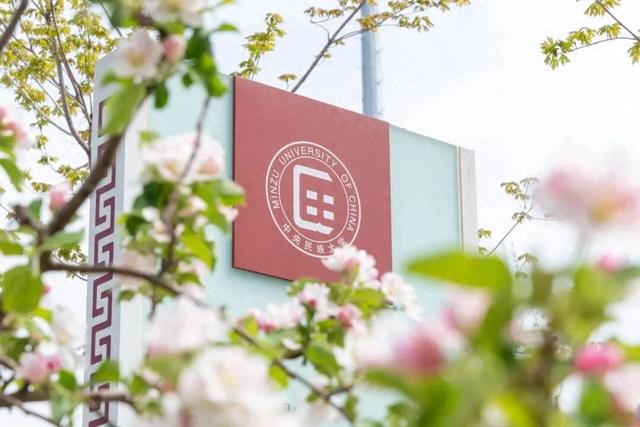
Group 1 - The core viewpoint of the article emphasizes the recruitment of postdoctoral researchers at Minzu University of China, highlighting its significant role in higher education and ethnic unity in China [2][5][9] - The university has a rich history and has produced over 220,000 talented individuals from various ethnic backgrounds since its establishment [2][5] - In 2024, the university will become the first pilot institution for the interdisciplinary construction of the Chinese national community [2][5] Group 2 - The university is recruiting postdoctoral researchers in various fields, including Ethnology, Sociology, Philosophy, Chinese History, Chinese Language and Literature, and Education [4][5] - There are two types of postdoctoral positions available: Nationally Funded Postdoctoral Researchers and Ordinary Postdoctoral Researchers [5][9] - The Nationally Funded Postdoctoral Researchers are encouraged to apply for the National Postdoctoral Fund, while Ordinary Postdoctoral Researchers must work full-time at the university [5][9] Group 3 - Basic application conditions include a strong political stance, a PhD obtained within the last three years, and a commitment to full-time research at the university [5][6][7] - Specific conditions for the Nationally Funded Postdoctoral Researchers include restrictions on applying if already selected for other funding programs [7][8] - The university offers competitive salaries and encourages applicants to apply for various national talent programs [9][10] Group 4 - The application process for the Nationally Funded Postdoctoral Researchers includes specific timelines and requirements for submission [10][12] - Ordinary Postdoctoral Researchers can apply year-round, with a selection process based on qualifications and academic assessments [12][13] - Contact information for the university's administrative office is provided for further inquiries [13][14]

文化强国建设高峰论坛主论坛开启,专家热议文化创新
Nan Fang Du Shi Bao· 2025-05-27 02:36
Group 1: Cultural Development and Innovation - The 2025 Cultural Power Construction Summit Forum was held in Shenzhen, focusing on deepening cultural system reform and stimulating cultural innovation [1] - Zhang Zhqiang emphasized the concept of "cultural life body," highlighting the organic connection between nature and culture, and the need for cultural subjectivity to foster growth [2] - The forum discussed the importance of integrating digital intelligence technology to enhance human creativity and cultural responsibility [5][6] Group 2: National Identity and Community - Qiang Shigong proposed the establishment of a new interdisciplinary "Chinese Studies" framework centered on the concept of the "Chinese national community," which transcends Western nation-state constructs [3][4] - The construction of the Chinese national community is seen as a historical mission for Chinese philosophy and social sciences, aiming to create a new form of human civilization [3] Group 3: Media and Technology Integration - Gong Zhengwen highlighted the critical moment of cultural and technological integration, advocating for mainstream media to adapt and thrive in the digital age [7][8] - The need for a dual innovation capability combining "cultural insight and technological sensitivity" was emphasized to navigate the evolving media landscape [8] Group 4: Artificial Intelligence in Cultural Industries - Gao Wen discussed the strategic role of artificial intelligence in driving technological revolutions and its deep integration with cultural innovation [9][10] - Recommendations were made to strengthen policy guidance and ethical standards for AI applications in the cultural sector, ensuring the protection of creators' rights [10] Group 5: Urban Culture and Memory - Xie Youshun addressed the importance of historical context in urban development, suggesting that cultural memory should be integrated into city governance and community engagement [11][12] - The concept of urban memory as a living entity was presented, emphasizing the need for emotional governance in city planning to preserve cultural heritage [12]