中国轮胎行业全球化布局

Search documents
中策、赛轮、森麒麟、万力、福麦斯、路博、双驼、万峻、库比森、正道…26家中国工厂,获得“准入证”
Xin Lang Cai Jing· 2026-02-27 10:38
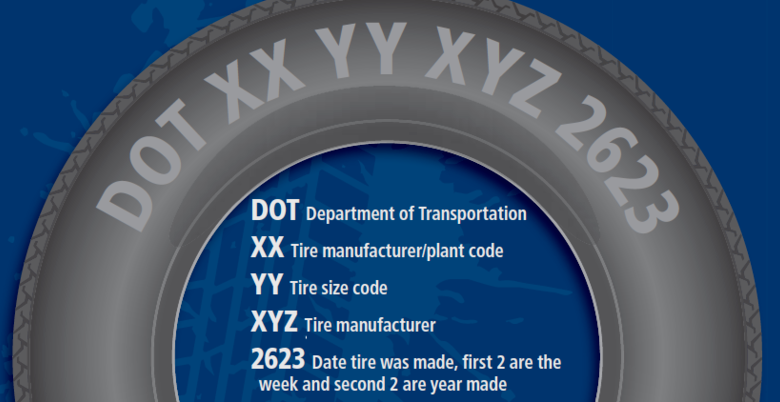
Core Insights - In 2025, the U.S. Department of Transportation (DOT) issued 39 new tire factory identification codes, with Chinese companies securing 26 of these, representing nearly 70% of the total [1][13] - This development marks a significant expansion of China's tire production capacity and reflects a new trend of globalized layout in the tire industry, combining domestic and international strategies [3][15] Group 1: Domestic Expansion - Leading Chinese tire manufacturers are actively expanding their production capabilities. Zhongce Rubber Group received two new codes for its factories in Jintan and Tianjin, focusing on electric vehicle tires and a $400 million transformation after acquiring the Tianli Tire brand [3][15] - Sailun Group has also made significant moves, registering a new company in Shenyang, which involves a $240 million investment to expand a former Bridgestone factory, aiming for an annual production capacity exceeding 3 million tires [5][17] - Other domestic companies like Senqilin, Shuangtuo, Wanjun, and Kubisen have also received new codes, indicating an overall leap in production scale and technical qualifications within China's tire manufacturing sector [19] Group 2: International Expansion - Chinese tire companies are accelerating their overseas expansion, with all five new codes in Cambodia awarded to Chinese firms, demonstrating a clustering effect of Chinese capital in the region [19] - Yongsheng Rubber's factory in Morocco, which received code 09J, is planned to have an annual capacity of 18 million tires, primarily targeting European and African markets, marking a strategic shift from Southeast Asia to North Africa [19] - The global landscape of tire manufacturing is undergoing a "reshuffling," with a focus on active manufacturing bases, as evidenced by the concentration of new codes among dynamic producers [10][22] Group 3: Global Manufacturing Trends - Despite over 2,000 DOT codes issued globally, fewer than 1,000 factories are actively producing, highlighting a trend of "eliminating the obsolete" in tire manufacturing [10][22] - The data indicates a shift in the global supply chain, with new codes also being issued in Mexico and India, reflecting a broader adjustment in manufacturing capabilities [10][22]