
轮胎

Search documents
瑞达期货合成橡胶产业日报-20260401
Rui Da Qi Huo· 2026-04-01 09:04
Report Summary 1. Report Industry Investment Rating No information provided. 2. Core Viewpoints - Due to the continuous impact of the recent geopolitical situation in the Middle East on crude oil and shipping, the supply of crude oil and butadiene within the region is tight. Under the influence of soaring raw material prices and potential supply gaps, the production losses of cis - butadiene rubber have deepened significantly, leading some plants to reduce production or shut down. The Zhejiang Transfar cis - butadiene plant is undergoing rotational inspections, further reducing supply. It is expected that the inventory of cis - butadiene rubber enterprises will continue to decline [2]. - The capacity utilization rate of domestic tire enterprises fluctuated slightly last week. At the end of the quarter, some enterprises are working towards quarterly targets, which supports the overall capacity utilization rate. However, some individual enterprises may have short - term maintenance arrangements at the end of March or early April, which will slightly drag down the overall capacity utilization rate. The br2605 contract is expected to fluctuate in the range of 16,000 - 18,000 in the short term [2]. 3. Summary by Directory 3.1 Futures Market - The closing price of the main contract of synthetic rubber was 16,785 yuan/ton, a decrease of 565 yuan/ton; the position of the main contract was 65,209 lots, a decrease of 7,028 lots. The synthetic rubber 5 - 6 spread was 185 yuan/ton, a decrease of 10 yuan/ton. The total number of warehouse receipts for butadiene rubber in the warehouse was 24,980 tons, with no change [2]. 3.2 Spot Market - The mainstream price of cis - butadiene rubber (BR9000) from different petrochemical companies in different regions decreased. For example, the price of BR9000 from Qilu Petrochemical in Shandong was 17,900 yuan/ton, a decrease of 100 yuan/ton; the price of BR9000 from Daqing Petrochemical in Shandong was 17,800 yuan/ton, a decrease of 200 yuan/ton [2]. - The basis of synthetic rubber was 1,415 yuan/ton. The price of Brent crude oil was 112.78 US dollars/barrel, an increase of 0.21 US dollars/barrel; the price of naphtha CFR Japan was 1,206.5 US dollars/ton, an increase of 63.5 US dollars/ton. The price of butadiene in the Shandong market was 17,700 yuan/ton, a decrease of 400 yuan/ton. The price of Northeast Asian ethylene was 1,450 US dollars/ton, with no change; the intermediate price of butadiene CFR China was 2,580 US dollars/ton, with no change. The price of WTI crude oil was 102.88 US dollars/barrel [2]. 3.3 Upstream Situation - The weekly capacity of butadiene was 159,300 tons, a decrease of 100 tons; the capacity utilization rate of butadiene was 67.99%, a decrease of 1.72 percentage points. The port inventory of butadiene was 23,000 tons, a decrease of 4,600 tons. The operating rate of Shandong local refineries' atmospheric and vacuum distillation units was 53.79%, a decrease of 0.5 percentage points [2]. - The monthly output of cis - butadiene rubber was 140,400 tons, a decrease of 9,500 tons; the weekly capacity utilization rate of cis - butadiene rubber was 53.19%, a decrease of 12.39 percentage points. The weekly production profit of cis - butadiene rubber was - 3,349 yuan/ton, a decrease of 849 yuan/ton. The social inventory of cis - butadiene rubber was 41,500 tons, a decrease of 1,100 tons; the manufacturer's inventory was 32,250 tons, a decrease of 1,750 tons; the trader's inventory was 9,260 tons, an increase of 650 tons [2]. 3.4 Downstream Situation - The operating rate of domestic semi - steel tires was 78.3%, an increase of 0.05 percentage points; the operating rate of domestic all - steel tires was 70.77%, an increase of 0.05 percentage points. The monthly output of all - steel tires was 8.13 million pieces, a decrease of 4.58 million pieces; the monthly output of semi - steel tires was 34.61 million pieces, a decrease of 25.07 million pieces [2]. - The inventory days of all - steel tires in Shandong were 38.97 days, a decrease of 2.12 days; the inventory days of semi - steel tires in Shandong were 43.72 days, a decrease of 0.87 days [2]. 3.5 Industry News - The capacity utilization rate of tire sample enterprises fluctuated slightly. At the end of the quarter, some enterprises are working towards quarterly targets, which supports the overall capacity utilization rate [2]. - In February 2026, the heavy - truck market in China sold about 75,000 vehicles (wholesale caliber, including exports and new energy), a decrease of nearly 30% compared with January 2025 and about 8% compared with the same period last year. From January to February 2026, the cumulative sales of the heavy - truck industry exceeded 180,000 vehicles, a year - on - year increase of about 17%. The decline in February was mainly due to seasonal fluctuations during the Spring Festival [2]. - As of March 25, the inventory of domestic cis - butadiene rubber sample enterprises was 41,500 tons, a decrease of 1,100 tons compared with the previous period, a month - on - month decrease of 2.58% [2].
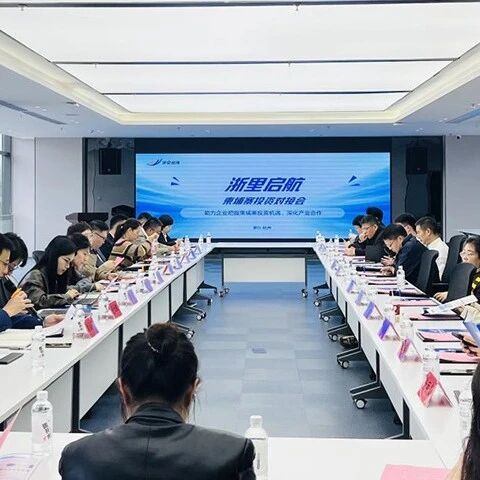
成本洼地+政策利好,柬埔寨解锁中企海外投资新路径
36氪· 2026-03-31 14:37
Core Viewpoint - Increasing number of Chinese companies are relocating factories to Cambodia due to lower operational costs and favorable investment conditions [1][2] Group 1: Investment Trends - Chinese companies such as Hongdou Group, Yanjinpuzi, and Petty Pet have established manufacturing bases in Cambodia, with significant investments in textiles and food processing [1] - In recent years, tire manufacturers like Shandong New Continental and Qingdao Doublestar have also set up production facilities in Cambodia, highlighting the trend of Chinese firms moving operations to the region [1] - China has become the largest source of foreign investment in Cambodia, with projected investments reaching $5.42 billion by 2025, accounting for 54.25% of Cambodia's total foreign investment [1] Group 2: Investment Environment - The Cambodia Investment Matching Conference held in Hangzhou focused on investment opportunities and key challenges for companies entering the Cambodian market [1][2] - The event featured discussions on Cambodia's market policies and business environment, with representatives from various industries sharing insights on practical aspects of establishing operations [1][2] - Cambodia offers significant tariff advantages for exports to major markets like the EU, the US, and Japan, with some products enjoying zero tariffs [2] Group 3: Strategic Advantages - The Boeck Economic Zone in Cambodia, covering 153 hectares, aims to create a low-pollution, multi-industry integrated park, attracting projects in pet food, textiles, hardware, and furniture [2][3] - Despite rising land and labor costs, Cambodia remains a "blue ocean" market compared to Vietnam and Thailand, with clear tariff advantages and a favorable financial environment [3] - The event provided a platform for companies to gain a comprehensive understanding of Cambodia's investment landscape, promoting information exchange and resource sharing for better international expansion [3]

瑞达期货合成橡胶产业日报-20260331
Rui Da Qi Huo· 2026-03-31 11:32
Report Summary 1) Report Industry Investment Rating No information provided regarding the industry investment rating. 2) Core Viewpoints of the Report - Due to the continuous impact of the Middle - East geopolitical situation on crude oil and shipping, the supply of crude oil and butadiene in the region is tight. Under the influence of soaring raw material prices and potential supply gaps, the production losses of cis - butadiene rubber have deepened significantly, leading some plants to reduce production or shut down, and the Zhejiang Transfar cis - butadiene rubber plant's scheduled inspection has further reduced supply. It is expected that the inventory of cis - butadiene rubber enterprises will continue to decline [2]. - Last week, the capacity utilization rate of domestic tire enterprises fluctuated slightly. At the end of the quarter, some enterprises strived to meet quarterly targets, supporting the overall capacity utilization rate, but some individual enterprises may have short - term maintenance plans at the end of March or early April, which will slightly drag down the overall capacity utilization rate [2]. - Due to the uncertainty of the US - Iran geopolitical conflict, the futures price of synthetic rubber is expected to fluctuate sharply in the short term. It is recommended to wait and see and pay attention to changes in the geopolitical situation [2]. 3) Summary by Relevant Catalogs Futures Market - The closing price of the main contract of synthetic rubber is 17,350 yuan/ton, and the trading volume decreased by 375. The open interest of the main contract is 72,237, a decrease of 14,968. The 5 - 6 spread of synthetic rubber is 195 yuan/ton, and the total warehouse receipt quantity of butadiene rubber in warehouses is 24,980 tons, a decrease of 30 tons [2]. Spot Market - The mainstream prices of cis - butadiene rubber (BR9000) from Qilu Petrochemical, Daqing Petrochemical in Shandong, Daqing Petrochemical in Shanghai, and Maoming Petrochemical in Guangdong are all 18,050 yuan/ton, with no change. The basis of synthetic rubber is - 85 yuan/ton. The price of Brent crude oil is 112.78 US dollars/barrel, and the price of naphtha CFR Japan is 1,206.5 US dollars/ton, an increase of 63.5 US dollars/ton. The price of Northeast Asian ethylene is 1,450 US dollars/ton, the intermediate price of butadiene CFR China is 2,580 US dollars/ton, the market price of butadiene in Shandong is 18,100 yuan/ton, a decrease of 100 yuan/ton, and the price of WTI crude oil is 102.88 US dollars/barrel [2]. Upstream Situation - The weekly production capacity of butadiene is 15.93 million tons/week, a decrease of 0.01 million tons. The capacity utilization rate of butadiene is 67.99%, a decrease of 1.72 percentage points. The port inventory of butadiene is 23,000 tons, a decrease of 4,600 tons. The operating rate of Shandong local refinery atmospheric and vacuum distillation units is 53.79%, a decrease of 0.5 percentage points. The monthly production of cis - butadiene rubber is 14.04 million tons, a decrease of 0.95 million tons. The capacity utilization rate of cis - butadiene rubber is 53.19%, a decrease of 12.39 percentage points. The weekly production profit of cis - butadiene rubber is - 3,349 yuan/ton, a decrease of 849 yuan/ton. The social inventory of cis - butadiene rubber is 41,500 tons, a decrease of 1,100 tons. The manufacturer's inventory of cis - butadiene rubber is 32,250 tons, a decrease of 1,750 tons, and the trader's inventory is 9,260 tons, an increase of 650 tons [2]. Downstream Situation - The operating rate of domestic semi - steel tires is 78.3%, an increase of 0.05 percentage points, and the operating rate of full - steel tires is 70.77%, an increase of 0.05 percentage points. The monthly production of full - steel tires is 8.13 million pieces, a decrease of 4.58 million pieces, and the monthly production of semi - steel tires is 34.61 million pieces, a decrease of 25.07 million pieces. The inventory days of full - steel tires in Shandong are 38.97 days, a decrease of 2.12 days, and the inventory days of semi - steel tires in Shandong are 43.72 days, a decrease of 0.87 days [2]. Industry News - As of March 26, the capacity utilization rate of Chinese semi - steel tire sample enterprises was 79.37%, a month - on - month increase of 0.05 percentage points and a year - on - year increase of 1.18 percentage points. The capacity utilization rate of full - steel tire sample enterprises was 72.24%, a month - on - month increase of 0.03 percentage points and a year - on - year increase of 3.88 percentage points. The capacity utilization rate of tire sample enterprises fluctuated slightly. At the end of the quarter, some enterprises strived to meet quarterly targets, supporting the overall capacity utilization rate [2]. - In February 2026, China's heavy - truck market sold about 75,000 vehicles (wholesale caliber, including exports and new energy), a month - on - month decrease of nearly 30% compared with January 2025 and a year - on - year decrease of about 8% compared with 81,400 vehicles in the same period last year. From January to February this year, the cumulative sales of China's heavy - truck industry exceeded 180,000 vehicles, a year - on - year increase of about 17%. The decline in the heavy - truck industry in February 2026 was mainly due to seasonal fluctuations during the Spring Festival [2]. - As of March 25, the inventory of domestic cis - butadiene rubber sample enterprises was 41,500 tons, a decrease of 1,100 tons from the previous period, a month - on - month decrease of 2.58%, and the inventory of cis - butadiene rubber production enterprises decreased significantly [2].
RU月报:震荡运行关注低多机会-20260331
Zhe Shang Qi Huo· 2026-03-31 07:08
1. Report Industry Investment Rating No relevant content provided. 2. Core Viewpoints of the Report - The natural rubber price is expected to oscillate, and investors are advised to focus on low - buying opportunities. The ru2605 contract has limited downside space and is supported at the price of 16,200. In the long - and medium - term, the price center is expected to move up slightly under the background of strong supply - demand, but the overall increase is relatively limited [3][6]. - Different market participants are given corresponding trading strategies. For example, investors can sell call options for covered strategies and buy put options to hedge against downside risks; traders and end - customers can take different actions according to their inventory and procurement situations [3]. - Key data to be monitored include domestic rubber import data, domestic natural rubber inventory changes, tapping conditions and raw material prices in major domestic and foreign producing areas, macro - policy changes, and related rubber price performances [3]. 3. Summary by Related Catalogs 3.1 RU Industry Structure - Capacity Structure: The upstream raw materials of natural rubber come from rubber trees. The main producing areas are in Southeast Asia, Africa, and in China, Yunnan and Hainan. In 2002, the main supplying countries were Thailand, Indonesia, Vietnam, and Cote d'Ivoire [10]. - Demand Structure: The downstream demand is mainly for tires, accounting for about 80%, and commercial vehicle demand has a relatively large proportion [10]. 3.2 Market Review - In March, the natural rubber price oscillated. Affected by geopolitical factors, Middle East orders decreased, but the strong synthetic rubber price led to substitution demand, resulting in a basic balance of demand [13]. 3.3 Price Changes - Spread: The main RU contracts are 1, 5, and 9 contracts, with the current main contract being RU2605. The RU5 - 9 inter - monthly structure has changed to contango [18]. - Basis: The delivery products of the RU futures contract are ISS3 and SCR WF. Since RSS3 has better quality than SCR WF, there is a premium. In actual delivery, it is basically SCR TF. The full - latex basis of SCR TF and the non - standard basis of mixed rubber are the focuses. The full - latex basis has been stable this month, currently around 05 - 250 to 300 yuan/ton [18]. - Foreign Futures Prices: The report shows the price trends of Singapore rubber TSR20 (FOB) and Tokyo rubber RSS3 [45][47]. - Cross - Variety Spreads: The spread between full - latex and Vietnamese 3L is worthy of attention because they can be completely substituted in downstream use [50]. 3.4 Supply - Main Producing Areas Supply: The global natural rubber production is mainly concentrated in Southeast Asia. According to the ANRPG report in January 2026, global natural rubber production increased by 4.3% to 1.409 million tons in January, and consumption increased by 4.4% to 1.287 million tons. In 2026, global production is expected to increase by 2.2% to 15.324 million tons, and consumption is expected to increase by 1.4% to 15.602 million tons [54]. - China's Import Situation: In February 2026, China's natural rubber import volume was 461,500 tons, a month - on - month decrease of 28.46% and a year - on - year decrease of 8.29%. The cumulative import volume from January to February was 1.1065 million tons, a cumulative year - on - year increase of 1.36% [60]. - Specific Producing Areas: In February 2026, Thailand's natural rubber exports to the world were 415,000 tons, and exports to China were 268,600 tons. Vietnam's natural rubber exports in February were 76,200 tons, and imports were 115,900 tons. Hainan has not started tapping, while in Yunnan, the weather is generally good, with fresh glue gradually increasing in output, and the glue purchase price is between 14.3 - 14.8 yuan/kg [74][76][79]. 3.5 Demand - Tire Industry Start - up: At the end of the month, the capacity utilization rate of China's semi - steel tire sample enterprises was 79.37%, and that of full - steel tire sample enterprises was 72.24%. It is expected that the capacity utilization rate of sample enterprises will slightly decline in the next cycle [87]. - Tire Inventory: The inventory situation of tire production enterprises is important for understanding the start - up rate and terminal demand [91]. - Supporting Market: The supporting market is mainly used for the tires of newly - produced passenger and commercial vehicles. The report shows relevant data on automobile production and sales [96]. - Replacement Market: The report shows data on highway freight turnover, China's logistics industry prosperity index, and highway logistics freight rate index, which are related to the replacement demand for tires [105]. - Export Market: The report shows the export volume data of semi - steel tires, full - steel tires, and new pneumatic rubber tires [117]. 3.6 Inventory - As of March 22, 2026, China's natural rubber social inventory was 1.36 million tons, a month - on - month decrease of 4,000 tons, a decrease of 0.3%. The total inventory of dark - colored rubber was 921,000 tons, an increase of 0.1%, and the total inventory of light - colored rubber was 439,000 tons, a month - on - month decrease of 1% [120][121].
橡胶:宽幅震荡20260331
Guo Tai Jun An Qi Huo· 2026-03-31 02:00
Group 1: Report Industry Investment Rating - No relevant information provided Group 2: Core View of the Report - The rubber market is in a wide - range shock state [1] - The tire market is facing cost pressure and profit shrinkage due to rising raw material prices, and the implementation of price - increase policies faces significant resistance [3][4][5] Group 3: Summary of Related Catalogs 1. Fundamentals Data - **Futures Market**: The daily - session closing price of the rubber main contract increased by 30 yuan/ton to 16,540 yuan/ton, and the night - session closing price increased by 75 yuan/ton to 16,555 yuan/ton. The trading volume decreased by 49,928 hands to 183,593 hands, and the open interest of the 05 contract decreased by 10,483 hands to 81,467 hands. The number of warehouse receipts remained unchanged at 125,410 tons, and the net short position of the top 20 members decreased by 1,338 hands to 11,930 hands [2] - **Spread Data**: The basis of "spot - futures main contract" increased by 20 to - 140, the basis of "mixed - futures main contract" increased by 90 to - 740, and the month - spread of "RU05 - RU09" increased by 20 to - 25 [2] - **Spot Market**: The outer - disk quotes of RSS3, STR20, SMR20, and SIR20 all increased. The prices of substitute products, such as Qilu styrene - butadiene rubber, decreased by 200 yuan/ton to 18,400 yuan/ton, while Qilu cis - butadiene rubber remained unchanged at 18,000 yuan/ton. The prices of imported rubber in the Qingdao market, such as Thai standard and Thai mixed rubber, also increased [2] 2. Industry News - As of March 30, more tire companies are raising prices, with an increase of 3 - 5% and most price - increase implementation times concentrated on April 1. Some companies have raised prices through recycling policies, and some have restricted shipments to customers who have completed their purchase tasks. However, the overall product supply is tight, and some companies have obvious shortages, which affects the shipment volume to a certain extent [3][4] - In March, due to geopolitical disturbances, the price of crude oil rose significantly, leading to a general increase in the prices of petrochemical raw materials such as synthetic rubber, carbon black, and additives. Although the upstream price - increase policy has driven the downstream replenishment sentiment to some extent, this round of replenishment is mainly a transfer of inventory from manufacturers to channels. The channel inventory is at a high level, and the release of terminal demand still takes time, resulting in significant resistance to the implementation of the price - increase policy [5] - The raw material costs of tires, including natural rubber, synthetic rubber, carbon black, and additives, have increased this month, and the profit of tire products has further shrunk. As of March 27, 2026, the theoretical profit of mid - range brand 205/55R16 semi - steel tires was - 1.25 yuan/kg, a decrease of 1.05 yuan/kg compared with last month and 2.09 yuan/kg compared with last year. The theoretical profit of economy - type 12R22.5 all - steel tires was - 1.36 yuan/kg, a decrease of 0.50 yuan/kg compared with last month and 0.10 yuan/kg compared with last year [4]
供需再平衡,橡胶宽幅震荡
Bao Cheng Qi Huo· 2026-03-30 12:31
1. Report Industry Investment Rating The provided content does not mention the report industry investment rating. 2. Core Viewpoints of the Report - Since the first quarter of 2026, the domestic rubber futures sector has shown a structural market of rising first and then falling, with high - level oscillations. The core driver has shifted from macro - sentiment and cost support to fundamental inventory pressure and supply - demand games. Natural rubber and synthetic rubber have shown different trends. The market has been weighing between inflation trading and recession expectations, as well as supply seasonality and demand recovery rhythm [4]. - In the second quarter, the global macro - economy will move forward steadily with policy shifts, demand repair, and risk mitigation. The gap between Europe and the United States will narrow, and emerging markets will maintain relatively high growth. The repeated geopolitical conflicts in the Middle East have caused oil price fluctuations and rising inflation expectations. For the market, the rhythm of monetary policy, inflation path, and geopolitical evolution are still core variables. The global economy is seeking re - balance in a weak recovery, with resilience greater than downward risks [5][24][135]. - In the second quarter, the supply - demand of domestic rubber futures will present a weak - balance pattern of loose supply, warming demand, and slow inventory reduction. Rubber futures prices may maintain a wide - range oscillating trend. It is recommended to adopt an interval - band trading strategy, focusing on four tracking indicators: tapping progress, inventory data, tire start - up rate, and export growth rate. At low prices, seize the opportunities of peak - season demand repair and inventory reduction; at high prices, be vigilant about supply expansion and inventory pressure. At the same time, do a good job in risk management to cope with the amplified fluctuations caused by macro and geopolitical conflicts [5][138]. 3. Summary According to the Directory 3.1 2026 Q1 Domestic Rubber Futures Trend Review - In Q1 2026, the domestic rubber futures sector showed a structural market of rising first, then falling, and high - level oscillations. The core driver shifted from macro - sentiment and cost support to fundamental inventory pressure and supply - demand games. Natural rubber and synthetic rubber had different trends. The Shanghai rubber main contract showed a three - stage operation in Q1. In January, the expectation of stable growth increased, the energy - chemical sector strengthened together, and the Southeast Asian rubber - producing areas were in the off - season, so the market traded based on the logic of "off - season support + post - festival recovery". In February, after the Spring Festival, geopolitical conflicts pushed up the prices of crude oil and synthetic rubber, and the Thai rubber in the external market also strengthened, with an optimistic market sentiment. In March, the Shanghai rubber market quickly turned to adjustment, with continuous daily declines. The high inventory in Qingdao Bonded Area and general trade, the approaching tapping season in Yunnan, and the increase in imported goods led to the release of negative factors. Coupled with Goldman Sachs' warning of recession expectations, the risk preference for industrial products was suppressed, and the rubber price center moved down [10]. 3.2 Europe and the United States Economy Continues to Differentiate, and the Fed's Interest - Rate Cut Expectation Declines - Since 2026, the macro - economies of Europe and the United States have continued the pattern of the US being strong and Europe being weak. Inflation has steadily declined, and the rhythm of monetary policy shifts has been significantly different. The US economy has shown strong resilience, with stable support from consumption and investment. The eurozone has continued its weak recovery, with insufficient domestic demand and structural bottlenecks restricting the repair strength. Overall, developed economies are gradually turning to moderate expansion at the end of the high - interest - rate period, providing phased stability for the global economy, but geopolitical, trade, and financial fluctuations still pose major disturbances [18]. - The US economy is currently running smoothly, with the characteristics of "stable growth, controllable inflation, and employment resilience". In Q1 2026, the real GDP growth rate remained in the range of 1.8% - 2.0%. The IMF and the United Nations predict that the annual growth rate will be about 2.0%, significantly higher than the average level of developed economies. In February 2026, the US non - farm payroll data was unexpectedly cold, with a significant contraction, the unemployment rate rebounded to about 4.4%, and the wage growth rate slowed moderately. Investment has become an important highlight, with continuous release of AI - related capital expenditure, and the return of the manufacturing industry and the implementation of infrastructure investment policies driving the recovery of enterprise equipment investment. The fiscal expenditure has maintained expansion. In terms of inflation, the CPI in February decreased to 2.4% year - on - year, but the core PCE rebounded to 3.1% in early March, indicating that the oil price increase caused by the Middle East war has begun to affect the domestic inflation in the US [18][21]. - The eurozone economy has not changed its weak - recovery situation, with greater growth pressure than the US. The expected GDP growth rate in 2026 is about 1.2%, slightly higher than that in 2025 but still at a low level. The manufacturing industries of core economies such as Germany and France have continued to be sluggish, with weak industrial output and export orders. Energy costs and geopolitical uncertainties have suppressed enterprise investment confidence. In terms of domestic demand, household consumption is restricted by high interest rates and low real income growth, credit expansion is slow, and the real estate market continues to be under pressure. In terms of inflation, the HICP in February rebounded to 1.9% year - on - year, and core inflation is still sticky. The ECB's interest - rate cut rhythm lags behind that of the Fed, and the policy remains prudent, mainly in a wait - and - see mode in the short term [22]. - In the second quarter, the global macro - economy will enter a stage of narrowing differentiation and moderate recovery, with a slightly higher growth rate than in the first quarter. The IMF predicts that the global growth rate will be about 3.1% - 3.3%, showing a pattern of stable developed economies and resilient emerging markets. The US economy is likely to continue to be stable, with a higher probability of interest - rate cuts in the second quarter, marginal improvement in the liquidity environment, and stable growth of about 1.9%. The eurozone may see a slight recovery in the second quarter, with enhanced support from the service industry, marginal repair of industrial production, and overall controllable inflation [23]. 3.3 China's Economy Developed Steadily and Well from January to February 2026 - At the beginning of 2026, China's macro - economy showed a strong start and a good beginning under the support of multiple factors such as the continuous implementation of stable - growth policies, the concentrated release of Spring Festival consumption, and the unexpected warming of external demand. The production supply has steadily recovered, market demand has continued to improve, new driving forces have grown rapidly, employment and prices have been generally stable, and positive factors have continued to accumulate [39]. - On the production side, the recovery has accelerated, and the leading role of new - quality productivity has been prominent. Industrial production has significantly accelerated, with the added value of large - scale industrial enterprises increasing by 6.3% year - on - year from January to February, 1.1 percentage points faster than in December of the previous year. The service industry has recovered steadily, with the service production index increasing by 5.2% year - on - year [39]. - On the demand side, the "troika" has worked together, with domestic demand warming and external demand being strong. The consumer market has steadily recovered, with the total retail sales of consumer goods reaching 8607.9 billion yuan from January to February, a year - on - year increase of 2.8%. Fixed - asset investment has changed from a decline to an increase, with a year - on - year increase of 1.8%. Foreign trade has achieved high - speed growth, with the total volume of goods imports and exports reaching 7732.1 billion yuan, a year - on - year increase of 18.3% [39]. - Prices have moderately rebounded, and the employment situation has been generally stable. The CPI has gradually warmed up, with an average year - on - year increase of 0.8% from January to February. The PPI has narrowed its decline, with a year - on - year decrease of 0.9%. The employment market has remained stable, with the average urban survey unemployment rate from January to February being 5.3%, the same as in the previous year [40]. - Looking forward to the second quarter of 2026, China's economy will continue to operate in a stable and progressive manner, with the growth rate expected to rise steadily, and the foundation for the annual growth target of 4.5% - 5.0% being more solid [41]. 3.4 Output and Consumption of Rubber - Producing Countries in Southeast Asia Both Increased Slightly Year - on - Year - Since 2010, the significant increase in the global natural rubber futures price has stimulated the enthusiasm of rubber farmers in Southeast Asian rubber - producing countries to plant rubber trees. However, since 2012, with the peak - to - trough decline of the global natural rubber futures price, the enthusiasm of rubber farmers has declined. After a 10 - year period of low natural rubber futures prices from 2013 to 2023, the planting willingness of rubber farmers in Southeast Asian countries has been at a low level. Although the tapping area has generally increased, the yield per unit area has continued to decline [60]. - According to the latest report released by the ANRPC in February, in January 2026, the total rubber production of ANRPC member countries reached 1.1159 million tons, a slight month - on - month decrease of 51,100 tons and a year - on - year increase of 57,500 tons, an increase of 5.43%. The total natural rubber consumption of ANRPC member countries reached 931,500 tons, a slight month - on - month decrease of 24,600 tons and a year - on - year increase of 17,100 tons, an increase of 1.87% [61]. - In the second quarter of 2026, the global natural rubber supply will enter a seasonal recovery stage, showing a pattern of increasing monthly but with limited increments, which will put phased pressure on rubber prices but will not change the tight - balance background. ANRPC predicts that the global natural rubber production in 2026 will increase by 2.4% year - on - year to 15.2 million tons, and the year will continue to be in short supply [64]. 3.5 The Premium Spreads between Shanghai Rubber, Standard Rubber, and Synthetic Rubber May Narrow - In March 2026, the international oil price soared due to geopolitical conflicts in the Middle East and supply contraction, which was directly transmitted to the cost side of synthetic rubber, leading to a significant reconstruction of the spreads of rubber - related futures. The premium spread between Shanghai rubber and synthetic rubber narrowed significantly, and the spread between standard rubber and synthetic rubber changed from a premium to a discount [89]. - Synthetic rubber is strongly linked to the oil price. When the oil price rises, the production cost of synthetic rubber increases, and its price elasticity is greater. Natural rubber is indirectly supported by cost, but due to its agricultural nature in Southeast Asian producing areas, the cost transmission is lagging and the elasticity is weak. In March, the oil price increase did not effectively drive the rise of natural rubber, so the spread naturally narrowed [90]. - In the second quarter, the two types of spreads will be in a game between "increased supply and loosened cost" and "demand repair and substitution support", showing an oscillating trend as a whole. The core contradiction of the rubber - related spreads in the second quarter is the game between "seasonal increase in natural rubber supply" and "rigid cost support of synthetic rubber". The oil price trend is the key variable, and weather disturbances and inventory reduction progress are amplifiers [92]. 3.6 Overseas Auto Market Sales Showed a Differentiated Trend in February 2026 - In the first quarter of 2026, the overseas auto market showed a pattern of a slight decline in the US, differentiation in the eurozone, and a continuous weak decline in Japan, mainly affected by high interest rates, weak consumer confidence, the withdrawal of electric - vehicle policies, and geopolitical disturbances. In the second quarter, the global auto market may see marginal repair, but structural differentiation and intensified competition will still dominate [94]. - In the US, it is expected that the sales volume of light - duty vehicles in Q1 2026 will reach about 3.58 million, a year - on - year slight decrease of 0.8%. The main drag factors include the expiration of electric - vehicle subsidies, the decline in consumer affordability, and the pressure on US car companies [94]. - In the eurozone, it is expected that the new - car sales volume in Q1 2026 will reach about 2.15 million, a year - on - year decrease of 1.2%. Core countries show significant differentiation. The sales volume of fuel - powered vehicles is accelerating to clear, while the sales volume of electric vehicles is growing at a high rate but cannot offset the overall decline [95]. - In Japan, the new - car sales volume in Q1 2026 may reach 763,000, a year - on - year decrease of 2.9%. The domestic market has been continuously weak. The main reasons include low economic prosperity, cautious consumer spending, and the differentiation of domestic brands [96]. 3.7 Domestic Auto Sales Declined Both Month - on - Month and Year - on - Year in February 2026 - In February 2026, affected by factors such as the Spring Festival holiday, policy adjustments, and pre - released demand, China's auto production and sales decreased both month - on - month and year - on - year. In February, the production and sales of automobiles were 1.672 million and 1.805 million respectively, a month - on - month decrease of 31.7% and 23.1% respectively, and a year - on - year decrease of 20.5% and 15.2% respectively [99]. - In terms of passenger cars, in February, the production and sales were 1.4 million and 1.536 million respectively, a month - on - month decrease of 32.1% and 22.7% respectively, and a year - on - year decrease of 21.6% and 15.4% respectively. In terms of commercial vehicles, in February, the production and sales were 273,000 and 269,000 respectively, a month - on - month decrease of 29.7% and 24.9% respectively, and a year - on - year decrease of 14.1% and 14% respectively [99]. - In terms of new - energy vehicles, in February, the production and sales were 694,000 and 765,000 respectively, a year - on - year decrease of 21.8% and 14.2% respectively. In terms of exports, in February, the auto export volume was 672,000, a month - on - month decrease of 1.4% and a year - on - year increase of 52.4% [99][101]. - The China Automobile Dealers Association's inventory warning index in February was 56.2%, above the boom - bust line. Dealers are cautious about the March auto market, and the terminal passenger flow and sales volume are expected to rebound month - on - month. The China Association of Automobile Manufacturers predicts that the total auto sales volume in 2026 will reach 34.75 million, a year - on - year increase of 1% [102][103]. 3.8 Domestic Heavy - Truck Sales Declined Slightly Year - on - Year in February 2026 - Affected by factors such as the Spring Festival holiday, the logistics activity slowed down in February 2026. The China Logistics Prosperity Index in February was 47.5%, a decrease of 3.7 percentage points from the previous month. The heavy - truck sales volume in February decreased both month - on - month and year - on - year. In February, the heavy - truck market sold about 75,000 vehicles, a month - on - month decrease of nearly 30% and a year - on - year decrease of about 8%. From January to February, the cumulative heavy - truck sales volume exceeded 180,000, a year - on - year increase of about 17% [107]. - The Spring Festival in 2026 was later than that in 2025, so the heavy - truck sales peak season will be postponed. In addition, the suspension of production during the Spring Festival by vehicle manufacturers and parts enterprises also affected the heavy - truck sales volume in February. In February, the heavy - truck export continued to grow steadily, with a year - on - year increase of more than 20% [108]. - It is expected that the wholesale sales volume of the heavy - truck industry in March will increase slightly year - on - year. In the second quarter, the late Spring Festival and the implementation of the policy of replacing old national - IV and national - III operating trucks with new ones will bring opportunities to the heavy - truck market [111]. 3.9 The Tire Industry Had Strong Exports and a Slight Increase in Port Inventory - From January to February 2026, the domestic tire industry showed a clear differentiation pattern of weak domestic demand and high - growth external demand. The cumulative output of rubber tire casings in the first two months was 177.526 million, a year - on - year slight decrease of 0.7%. The export of rubber tires was booming. From January to February, the cumulative export of rubber tires was 1.55 million tons, a year - on - year increase of 12.5% [117]. - In terms of rubber imports, from January to
瑞达期货合成橡胶产业日报-20260330
Rui Da Qi Huo· 2026-03-30 09:07
1. Report Industry Investment Rating - Not provided in the report 2. Core Viewpoints - The production profit of cis - butadiene rubber has significantly deepened losses, leading some plants to reduce production or shut down, and the Zhejiang Transfar cis - butadiene plant is undergoing rotational inspections, resulting in a decline in supply. The inventory of cis - butadiene rubber production enterprises decreased significantly last week, and it is expected to continue to decline. The capacity utilization rate of domestic tire enterprises fluctuated slightly last week. Towards the end of the quarter, some enterprises are striving to meet quarterly targets, which supports the overall capacity utilization rate, but individual enterprises may have short - term maintenance plans at the end of March or early April, slightly dragging down the overall capacity utilization rate. Due to the uncertainty of the US - Iran geopolitical conflict, the short - term synthetic rubber futures price is expected to fluctuate sharply, and it is recommended to wait and see, while paying attention to changes in the geopolitical situation [2] 3. Summary by Relevant Catalogs 3.1 Futures Market - The closing price of the main contract of synthetic rubber is 17,725 yuan/ton, a decrease of 115 yuan/ton; the trading volume of the main contract is 87,205 lots, a decrease of 14,951 lots; the 5 - 6 spread of synthetic rubber is 100 yuan/ton, a decrease of 65 yuan/ton; the total number of warehouse receipts for butadiene rubber in the warehouse is 25,010 tons, a decrease of 570 tons [2] 3.2 Spot Market - The mainstream price of cis - butadiene rubber (BR9000, Qilu Petrochemical) in Shandong is 18,000 yuan/ton, an increase of 100 yuan/ton; the mainstream price of cis - butadiene rubber (BR9000, Daqing Petrochemical) in Shanghai is 18,050 yuan/ton, an increase of 50 yuan/ton; the mainstream price of cis - butadiene rubber (BR9000, Daqing Petrochemical) in Shandong is 18,000 yuan/ton, an increase of 100 yuan/ton; the mainstream price of cis - butadiene rubber (BR9000, Maoming Petrochemical) in Guangdong is 18,050 yuan/ton, an increase of 50 yuan/ton. The basis of synthetic rubber is 560 yuan/ton. Brent crude oil is 112.57 US dollars/barrel, an increase of 4.56 US dollars/barrel; naphtha CFR Japan is 1,143 US dollars/ton, an increase of 41.5 US dollars/ton; Northeast Asian ethylene price is 1,400 US dollars/ton, unchanged; the intermediate price of butadiene CFR China is 2,580 US dollars/ton, a decrease of 20 US dollars/ton; WTI crude oil is 99.64 US dollars/barrel, an increase of 5.16 US dollars/barrel; the market price of butadiene in the Shandong market is 18,200 yuan/ton, a decrease of 100 yuan/ton [2] 3.3 Upstream Situation - The weekly production capacity of butadiene is 159,300 tons, a decrease of 100 tons; the weekly capacity utilization rate of butadiene is 67.99%, a decrease of 1.72 percentage points; the port inventory of butadiene is 23,000 tons, a decrease of 4,600 tons; the daily operating rate of Shandong local refineries' atmospheric and vacuum distillation units is 53.79%, a decrease of 0.5 percentage points; the monthly output of cis - butadiene rubber is 140,400 tons, a decrease of 9,500 tons; the weekly capacity utilization rate of cis - butadiene rubber is 53.19%, a decrease of 12.39 percentage points; the weekly production profit of cis - butadiene rubber is - 3,349 yuan/ton, a decrease of 849 yuan/ton; the weekly social inventory of cis - butadiene rubber is 41,500 tons, a decrease of 1,100 tons; the weekly manufacturer inventory of cis - butadiene rubber is 32,250 tons, a decrease of 1,750 tons; the weekly trader inventory of cis - butadiene rubber is 9,260 tons, an increase of 650 tons [2] 3.4 Downstream Situation - The monthly output of all - steel tires is 8.13 million pieces, a decrease of 4.58 million pieces; the monthly output of semi - steel tires is 34.61 million pieces, a decrease of 25.07 million pieces; the inventory days of all - steel tires in Shandong is 38.97 days, a decrease of 2.12 days; the inventory days of semi - steel tires in Shandong is 43.72 days, a decrease of 0.87 days. As of March 26, the capacity utilization rate of Chinese semi - steel tire sample enterprises is 79.37%, a month - on - month increase of 0.05 percentage points and a year - on - year increase of 1.18 percentage points; the capacity utilization rate of all - steel tire sample enterprises is 72.24%, a month - on - month increase of 0.03 percentage points and a year - on - year increase of 3.88 percentage points [2] 3.5 Industry News - The capacity utilization rate of tire sample enterprises fluctuates slightly. Entering the end of the quarter, some enterprises are striving to meet quarterly targets, which supports the overall capacity utilization rate. In February 2026, the heavy - truck market in China sold about 75,000 vehicles, a decrease of nearly 30% compared with January 2025 and a decrease of about 8% compared with 81,400 vehicles in the same period of the previous year. From January to February this year, the cumulative sales of the heavy - truck industry exceeded 180,000 vehicles, a year - on - year increase of about 17%. The decline in the heavy - truck industry in February 2026 is mainly due to seasonal fluctuations during the Spring Festival. As of March 25, the inventory of domestic cis - butadiene rubber sample enterprises is 41,500 tons, a decrease of 1,100 tons compared with the previous period, a month - on - month decrease of 2.58% [2]
天然橡胶:供需驱动趋弱,成本支撑下逢低做多
Guo Mao Qi Huo· 2026-03-30 05:24
1. Report Industry Investment Rating - Not mentioned in the provided content 2. Core Viewpoints of the Report - The supply - demand drive for natural rubber is weakening, but the strengthening of synthetic rubber limits the downside space and momentum of natural rubber. The price range of Shanghai rubber at the beginning of the year is raised to the range of 15,000 - 19,000 yuan/ton. It is recommended to go long at the lower edge of the range on a single - side basis and pay attention to arbitrage opportunities such as going long on NR and short on RU, as well as going long on NR and short on mixed rubber [8][80] 3. Summary by Relevant Catalogs 3.1 Market Review - In Q1 2026, Shanghai rubber showed a trend of "rising first, then falling, and oscillating downward", with the price center gradually moving down. The core contradiction shifted from tight supply to an expectation of loose supply. The main contract price fluctuated between 15,885 yuan/ton and 17,600 yuan/ton. In the early stage (January - February), it rebounded due to seasonal supply tightness, and in March, it declined as the supply was expected to increase [14][15] - The spread structure of Shanghai rubber RU2609 - RU2605 changed from near - month premium to near - month discount. The RU - NR spread first widened and then narrowed. Synthetic rubber BR changed from a large discount to a large premium over natural rubber [19] 3.2 Macroeconomic Fundamentals - The US - Iran war may drag down global economic growth. The conflict has led to a significant increase in oil and gas prices, with the INE crude oil price rising by over 58% from March 2nd to March 23rd, and the Brent crude oil spot price reaching a record high at the end of March. It is expected that the global oil supply will decrease by 8 million barrels per day in March. The growth of major global economies is expected to slow down in 2026 [27][29] - Inflation pressure is transmitted through three channels, compressing the space for monetary policy easing. Central banks around the world face difficult choices, and there is a risk of recession or stagflation in the world economy [30][32][33] 3.3 Industry Chain Upstream and Downstream 3.3.1 Upstream Supply and Raw Materials - ANRPC predicts that in 2026, global natural rubber production will increase by 2.2% to 15.324 million tons, and consumption will increase by 1.4% to 15.602 million tons. In Q2, domestic and overseas production areas will enter the tapping season. If there is no abnormal climate, the overall supply in the market is expected to increase, and the downward pressure on costs due to increased supply may become more obvious after Q2 [34][40] 3.3.2 Imports and Inventory - In 2026, the domestic import volume decreased slightly year - on - year. In February, the import volume of natural and synthetic rubber (including latex) was 601,000 tons, a month - on - month decrease of 25.16%. As of March 22, 2026, the total inventory of natural rubber in Qingdao was at a medium - to - high level, and it may enter a destocking process after Q2 [43][45] 3.3.3 Downstream Demand - In the first two months of 2026, the tire industry showed a "weak domestic demand, strong export, and structural differentiation" pattern. Tire exports increased by 12.1% year - on - year. The automobile market was "cold domestically, hot overseas, with overall pressure and structural differentiation". Exports were the core support, with a year - on - year increase of 48.4%. The heavy - truck market was "stable domestically, strong in exports, and with structural upgrading", with exports increasing by 30.98% year - on - year [51][53][56] 3.4 Cost - Profit and Spread Analysis 3.4.1 Cost - Profit Analysis - In Q1, the raw material prices of natural rubber in Thailand showed an upward trend, with the price of glue reaching a quarterly high of 76 Thai baht/kg in March. The processing profit of natural rubber in Thailand was under pressure, with STR20 standard rubber in continuous loss and RSS3 smoked sheet rubber remaining profitable [63][64][66] 3.4.2 Spot - Futures Spread Analysis - In Q1, the non - standard spot - futures spread of Shanghai rubber first widened and then narrowed. Due to the low number of Shanghai rubber warehouse receipts and the uncertainty of state reserve purchases, it is recommended to conduct phased trading in non - standard operations [70] 3.4.3 Disk Spread Analysis - The RU - NR spread first widened and then narrowed in Q1, and it is still at a relatively high level compared to the same period in history. It is recommended to continue to pay attention to the opportunity to narrow the RU - NR spread. The strengthening of synthetic rubber limits the downside space and momentum of natural rubber [74]
原油继续大涨,影响时间和幅度或超预期
SINOLINK SECURITIES· 2026-03-29 07:05
Investment Rating - The report does not explicitly provide an investment rating for the chemical industry Core Insights - The geopolitical tensions, particularly between the US and Iran, have led to significant disruptions in the chemical supply chain, affecting various sectors including fertilizers and semiconductors [1][2] - The chemical market is experiencing price fluctuations due to supply chain vulnerabilities, with specific products like helium and fertilizers facing acute shortages [1][2] - The AI industry is facing challenges due to increased demand for computing power, leading to a surge in CPU prices and extended delivery times [1] - Major companies are actively expanding production capacities to meet rising demand, with significant investments in AI infrastructure [1] Summary by Sections Market Review - Brent crude oil averaged $105.45 per barrel, down 0.87% week-on-week, while WTI crude oil averaged $92.98 per barrel, down 3.22% [9] - The basic chemical sector outperformed the index with a 2.31% increase, while the petrochemical sector saw a slight decline of 0.10% [10] Recent Views from the Chemical Team - The tire industry is stabilizing with a slight increase in operating rates, while raw material prices are on the rise [23] - The dye market remains stable, with prices for disperse dyes holding steady and active dyes experiencing an increase due to strong cost support [25][27] - The carbon dioxide market is seeing limited price increases due to insufficient demand support [28] Key Events - Iran's response to the US ceasefire proposal has created uncertainty in the market, impacting supply chains [2] - The shutdown of major ammonia plants in Australia and India has exacerbated the fertilizer supply crisis [2] - A significant reduction in helium supply due to attacks on Qatari facilities poses a threat to the semiconductor industry [2] Price Movements - The price of titanium dioxide has increased by 5.1% due to rising costs and supply constraints [29] - The market for vitamin A and E has seen price fluctuations, with both experiencing upward trends followed by stabilization [30] Production and Supply Chain Insights - The report highlights the ongoing challenges in the supply chain, with many companies facing production delays and increased costs due to geopolitical tensions [1][2][23] - The report notes that companies are adjusting their pricing strategies in response to rising raw material costs and supply chain disruptions [29][30]
橡胶周报:橡胶:警惕BR快速下跌-20260328
Wu Kuang Qi Huo· 2026-03-28 14:10
1. Report Industry Investment Rating There is no information provided in the document about the report industry investment rating. 2. Core Views of the Report - The conflict between the US and Iran has led to a significant increase in the prices of oil and chemical products. Butadiene and butadiene rubber have risen sharply due to increased costs. Attention should be paid to the spot prices of SC and Oman crude oil, while Brent and WTI crude oil have weak reference value. Asian supply is mainly pegged to the spot price of Oman crude oil, and the current spot premium is high [11]. - Currently, the increase in crude oil prices is much greater than that of downstream products. Downstream industries, especially those in Japan and South Korea, have gradually reduced their production loads, leading to a decrease in supply. As a result, crude oil prices will gradually be transmitted to downstream products, including a significant catch - up increase in butadiene rubber [11]. - The logic behind butadiene rubber is that Japan and South Korea prioritize (finished) oil over chemicals. Although demand is also suppressed by high oil prices, Asian refineries have reduced their operating rates due to a lack of raw materials or losses. This has led to a sharp contraction in the supply of intermediate chemicals from refineries and a catch - up increase in prices. The supply of butadiene has decreased significantly. China has reduced its imports of butadiene from South Korea, while South Korea and Japan have increased their exports, driving up the price of butadiene and, in turn, butadiene rubber [11]. - The operating rates of butadiene refineries and downstream butadiene rubber factories are decreasing, while the operating rate of downstream tire factories fluctuates slightly, and raw material procurement is on the sidelines. Macro - funds' sentiment temporarily dominates the market. It is expected that there will be significant short - term fluctuations, and the market will later return to being driven by fundamentals [11]. - The fundamentals of natural rubber suggest that it is prone to decline and difficult to rise after the winter storage period in the first half of the year. A sharp increase in crude oil prices will lead to a significant deterioration in demand expectations. However, the expectation of capital allocation to commodities limits the downside space. The market's expectation of state - reserve purchases has increased the upside potential of RU [11]. - RU as a whole fluctuates widely within a range, and flexible responses and risk control are recommended. If the negotiation between the US, Israel, and Iran is successful, the prices of oil and chemical products may fall rapidly. Butadiene rubber will decline due to the rapid drop in butadiene costs, driving down RU and NR rapidly. If the cost drops sharply and the refining profit improves, and mid - stream refineries resume production and increase their operating rates, it will lead to a rapid decline in BR, driving down RU and NR rapidly. Buying put options on BR can be considered to hedge against the risk of price decline [13]. 3. Summary by Directory 3.1 Week - on - Week Assessment and Strategy Recommendations - The conflict between the US and Iran has caused significant price increases in oil and chemical products. Butadiene and butadiene rubber have risen due to cost increases. Attention should be paid to the spot prices of SC and Oman crude oil [11]. - The operating rates of butadiene refineries and downstream butadiene rubber factories are decreasing, while the operating rate of downstream tire factories fluctuates slightly. Macro - funds' sentiment temporarily dominates the market [11]. - It is expected that there will be significant short - term fluctuations, and the market will later return to being driven by fundamentals. The fundamentals of natural rubber suggest it is prone to decline after the winter storage period in the first half of the year. The expectation of state - reserve purchases has increased the upside potential of RU [11]. - If the negotiation between the US, Israel, and Iran is successful, the prices of oil and chemical products may fall rapidly. Buying put options on BR can be considered to hedge against the risk of price decline [13]. - The industry's demand is normal, with the full - steel tire factory operating rate at 70.75% (0.03%). After the Spring Festival holiday, the resumption of work has returned to normal. The inventory in the exchange and Qingdao is 88.63 (0.79) million tons. The supply in Hainan and Yunnan is expected to start tapping in late March, while most of Thailand has stopped tapping. There are still differences in the medium - term supply expectations, with some expecting a slight fluctuation and others expecting an increase of 15 - 25 million tons [16]. - The market expects subsequent state - reserve purchase plans. The market's long - position logic is mainly based on macro - expectations and positive expectations for China's policies, while the short - position logic is mainly due to the current dull demand and the expectation of poor demand caused by tariff policies. Thailand and Cote d'Ivoire have increased their rubber exports [16]. - The rubber price is significantly affected by macro - funds in the short term, and its direction is unclear. Pay attention to the opportunity of going long on NR main contract and shorting RU2609 for band - trading [16]. 3.2 Futures and Spot Markets - Rubber maintains its seasonal pattern, with prices prone to decline in the first half of the year. In 2018, 2019, and 2020, the decline occurred earlier. In 2023, the rubber price was lower than the industry's expectations and was below the rubber farmers' cost for a long time [26]. - The overseas demand for rubber is expected to weaken marginally, while the demand in China is stable. The ratio of rubber to crude oil has been declining since Q4 2020 [32][35]. - The comparison between rubber and other commodities, such as copper, Brent crude oil, rebar, iron ore, the Shanghai Composite Index, and the ChiNext Index, shows no special values or points of concern [43][47][51]. 3.3 Profits and Ratios - The comparison between rubber and other commodities, such as copper, Brent crude oil, rebar, iron ore, the Shanghai Composite Index, and the ChiNext Index, shows no special values or points of concern [43][47][51]. 3.4 Cost Side - The cost of cup rubber in Thailand is generally considered to be between 30 - 35 Thai baht. The cost of Hainan full - latex in China is generally considered to be 13,500 yuan, and the cost of Yunnan full - latex is generally considered to be between 12,500 - 13,000 yuan [56]. - The maintenance cost of rubber is a dynamic concept. When the rubber price is high, rubber farmers are more motivated to maintain, resulting in higher costs; when the price is low, they maintain less, and the cost decreases. In the first half of 2024, rubber farmers were highly motivated [56]. 3.5 Demand Side - The operating rates of full - steel and semi - steel tire factories show no special values or points of concern [62]. - The business climate of trucks and commercial vehicles is slowly improving from a low level, and it is expected to gradually recover in the later stage, which will affect the supporting tires. The sales volume of commercial vehicles corresponds to the domestic supporting demand [66]. - The export of truck tires is booming, but it is expected to decline slightly in the later stage, corresponding to the monthly export value of new pneumatic rubber tires for passenger cars or freight motor vehicles [69]. 3.6 Supply Side - The rubber import data is mainly updated until December 2021, and the import data after the 2020 pandemic is no longer updated, reducing the analyzability of imports [74]. - The supply of rubber in major producing countries is generally normal, with no special values or points of concern [78][82][86][90][94][98][102][106][110]. - In January 2026, the rubber production was 1,115,900 tons, a year - on - year increase of 8.67% and a month - on - month decrease of 4.38%. The cumulative production was 1,116,000 tons, a year - on - year increase of 8.67%. The export was 834,400 tons, a year - on - year decrease of 2.11% and a month - on - month decrease of 12.07%. The cumulative export was 834,000 tons, a year - on - year decrease of 2.11%. The consumption was 931,500 tons, a year - on - year increase of 1.74% and a month - on - month decrease of 2.57%. The cumulative consumption was 932,000 tons, a year - on - year increase of 1.74% [114][115].