中国 - 中亚机制

Search documents
中国与中亚共筑新纽带:中吉乌铁路启航,互免签证落地
Di Yi Cai Jing· 2025-06-20 10:25
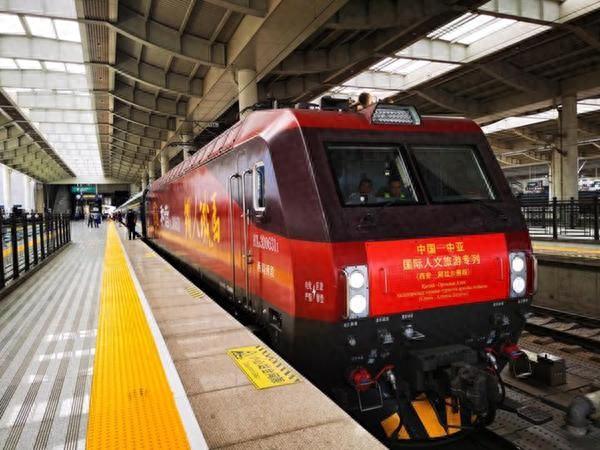
Core Points - The "China-Central Asia Spirit" is highlighted as the main achievement of the second China-Central Asia Summit, emphasizing the deepening cooperation and shared values between China and Central Asian countries [1] - The launch of the China-Kyrgyzstan-Uzbekistan railway is a significant strategic project aimed at enhancing connectivity and logistics efficiency in the region, expected to generate substantial economic benefits for Kyrgyzstan [3][4] - The establishment of mutual visa exemption agreements between China and Central Asian countries is set to facilitate travel and trade, with a record trade volume projected for 2024 [6] Connectivity - The China-Kyrgyzstan-Uzbekistan railway is crucial for improving cross-border logistics and trade, with an expected annual transit revenue of $200 million for Kyrgyzstan [3] - The railway will position Central Asia as an important transportation hub between Europe and Asia, enhancing the region's economic, cultural, and technological development [4] - Additional railway projects, such as the third railway between China and Kazakhstan, are progressing, contributing to regional infrastructure development [5] Personnel Exchange - The "China-Central Asia Mechanism to Promote Personnel Exchange Facilitation" initiative aims to enhance travel convenience among the countries [6] - The mutual visa exemption agreements are expected to boost tourism and trade, with significant increases in trade volume already observed [6] - In the first five months of the year, trade between China and Central Asia grew by 10.4%, solidifying China's position as the largest trading partner in the region [6]

元首战略引领 中国-中亚合作有了新“创举”
Zhong Guo Qing Nian Bao· 2025-06-19 21:18
Core Points - The second China-Central Asia Summit held in Astana marked a significant milestone in diplomatic relations, with the signing of the Astana Declaration and a permanent friendly cooperation treaty, emphasizing mutual respect and cooperation among the six countries [3][5][6] - The summit resulted in the signing of 12 cooperation documents and a comprehensive list of 110 outcomes, indicating a mature multilateral framework for cooperation [3][4] - The summit highlighted the importance of strategic leadership from heads of state, which has facilitated the implementation of various projects and agreements [5][6] Group 1: Cooperation Framework - The summit established six priority areas for cooperation: trade facilitation, industrial investment, connectivity, green mining, agricultural modernization, and ease of personnel movement [6] - The cooperation between China and Central Asian countries has entered a systematic phase, with emerging fields such as artificial intelligence and digital technology becoming focal points for future collaboration [6][7] - The summit's format, which allows for rotating hosting, reflects a commitment to equal dialogue and cooperation, distinguishing it from other external partnerships [7][8] Group 2: Regional Stability and Security - The summit underscored the need for enhanced regional security governance and a collective stance against terrorism and extremism, aiming to maintain peace and stability in the region [9] - The strategic significance of the China-Central Asia mechanism has been emphasized, particularly in the context of global geopolitical uncertainties and economic challenges [8][9] - The leaders expressed a commitment to maintaining stable relations with China, which is seen as crucial for effectively addressing external geopolitical risks [8][9] Group 3: Economic Opportunities - The relationship between China and Central Asia is evolving beyond energy and counter-terrorism cooperation to include proactive economic strategic planning [5][10] - Central Asia is increasingly recognized as a vital region for China's economic development, serving as an important export market and transit point for trade with Europe [11] - The growing presence of Chinese businesses in Central Asia, particularly in sectors like renewable energy, is creating job opportunities and fostering positive local perceptions of China [10][11]