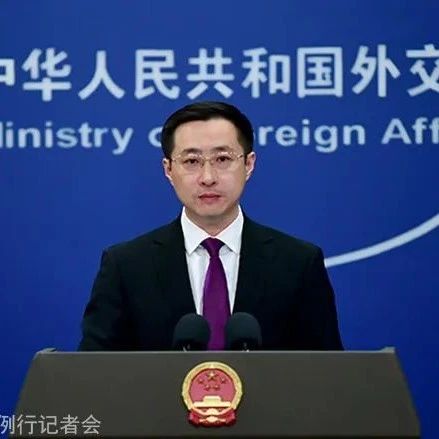
中日关系政治基础

Search documents
视频丨泰国学者:高市言论破坏中日关系政治基础
Yang Shi Xin Wen Ke Hu Duan· 2025-11-20 08:15
Core Viewpoint - Japanese Prime Minister Sanna Takashi's remarks regarding Taiwan have sparked strong criticism, with implications for Sino-Japanese relations [1][3]. Group 1 - Takashi's comments are seen as a severe violation of international relations principles, undermining the political foundation of Sino-Japanese relations [1][3]. - The remarks are characterized as a deliberate attempt to create a confrontational narrative, igniting tensions [3]. - The statements contradict the One China principle, which is detrimental to the stability and development of Sino-Japanese relations [3].
中方:如日方拒不撤回涉台错误言论,一切后果由日方承担
Zhong Guo Xin Wen Wang· 2025-11-19 08:11
Core Viewpoint - The Chinese government has issued a stern warning to Japan regarding comments made by Japanese Prime Minister Fumio Kishida on Taiwan, stating that if Japan does not retract its statements, it will face severe consequences [1] Group 1: Political Relations - The remarks made by Japanese Prime Minister Fumio Kishida are viewed as fundamentally damaging to the political foundation of China-Japan relations, provoking public outrage and condemnation in China [1] - China has urged Japan to retract its erroneous statements and to cease creating incidents related to China, emphasizing the need for Japan to take corrective actions to maintain the political foundation of bilateral relations [1] Group 2: Response Measures - Should Japan refuse to retract its statements or continue to err, China will be compelled to take resolute countermeasures, with all consequences falling on Japan [1] - The Chinese spokesperson clarified that the call for countermeasures is a justified response to the damage caused by Japan's statements, and Japan should first retract its erroneous comments to preserve the political foundation of their relationship [1]
蓝厅观察丨高市早苗妄图“以台制华”不会得逞
Yang Shi Xin Wen Ke Hu Duan· 2025-11-19 05:54
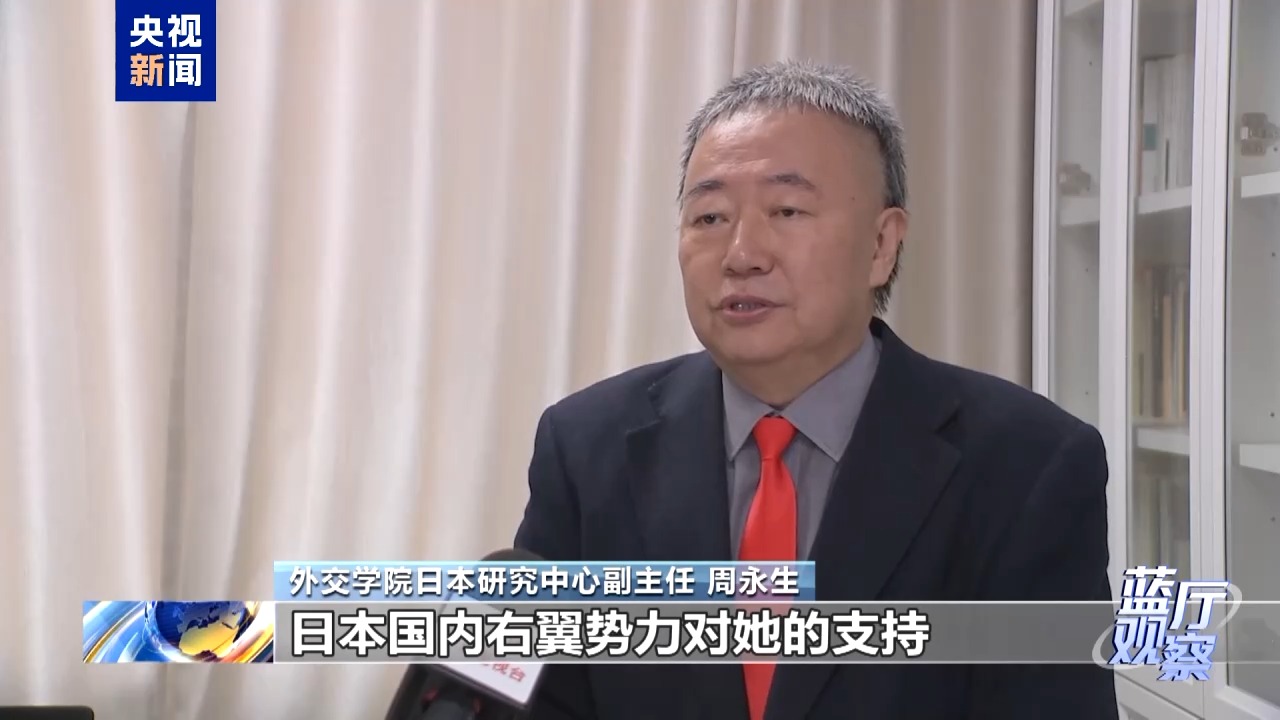
Core Viewpoint - The recent provocative remarks by Japanese Prime Minister Sanae Takaichi regarding Taiwan have elicited strong responses from Chinese diplomatic and defense authorities, highlighting the tensions in cross-strait relations and Japan's historical insensitivity [1][10]. Group 1: Strategic Intentions Behind Takaichi's Remarks - Japanese right-wing politicians, in collaboration with "Taiwan independence" forces, have been promoting the narrative that "Taiwan's issues are Japan's issues," which reflects a broader strategy to use Taiwan as a geopolitical leverage point [2]. - Takaichi's statements are aimed at deterring China and asserting Japan's influence in East Asia, while also catering to domestic right-wing factions that support her [4]. - The Japanese government's military enhancements since 2022, focusing on offensive capabilities and sustained high-intensity operations, indicate an intention to interfere in China's internal affairs [6]. Group 2: Challenges to Sino-Japanese Relations - Takaichi's remarks pose a serious challenge to the political foundation of Sino-Japanese relations, which are governed by four key political documents that affirm Japan's commitments regarding Taiwan [7]. - Experts emphasize that Japan must adhere to its political commitments and international legal obligations concerning Taiwan to promote regional peace, as Takaichi's comments undermine the "One China" principle and the political basis of Sino-Japanese relations [9]. Group 3: Reactions from Taiwan - Takaichi's comments have been met with widespread condemnation from various sectors in Taiwan, with over 30 organizations publicly protesting against her statements, asserting that Taiwan will not be a victim of Japanese militarism [10]. - Taiwanese commentators argue that Takaichi's remarks reflect a persistent desire among Japanese right-wing factions to revive militarism, and they warn against any attempts to drag Taiwan into conflicts [12].

中国农业农村部部长取消访日行程,外交部回应
中国基金报· 2025-08-14 13:33
Core Viewpoint - The cancellation of the visit by China's Minister of Agriculture and Rural Affairs, Han Jun, is linked to Taiwan's foreign affairs official Lin Jialong's recent visit to Japan, indicating rising tensions in Sino-Japanese relations [1][3]. Group 1 - The specific reason for Han Jun's postponed visit should be inquired from the relevant authorities [1]. - China maintains an open attitude towards maintaining contact at all levels between China and Japan, emphasizing the need for Japan to adhere to the One China principle and to act in accordance with the spirit of the four political documents between the two countries [1]. - Japan's actions regarding Lin Jialong's visit are seen as providing a platform for pro-Taiwan independence forces, which violates international relations principles and sends a serious wrong signal [3]. Group 2 - China urges Japan to reflect on historical lessons and to be cautious regarding Taiwan issues, warning against any actions that could undermine China's sovereignty or signal support for Taiwan independence [3].