
中日友好关系

Search documents
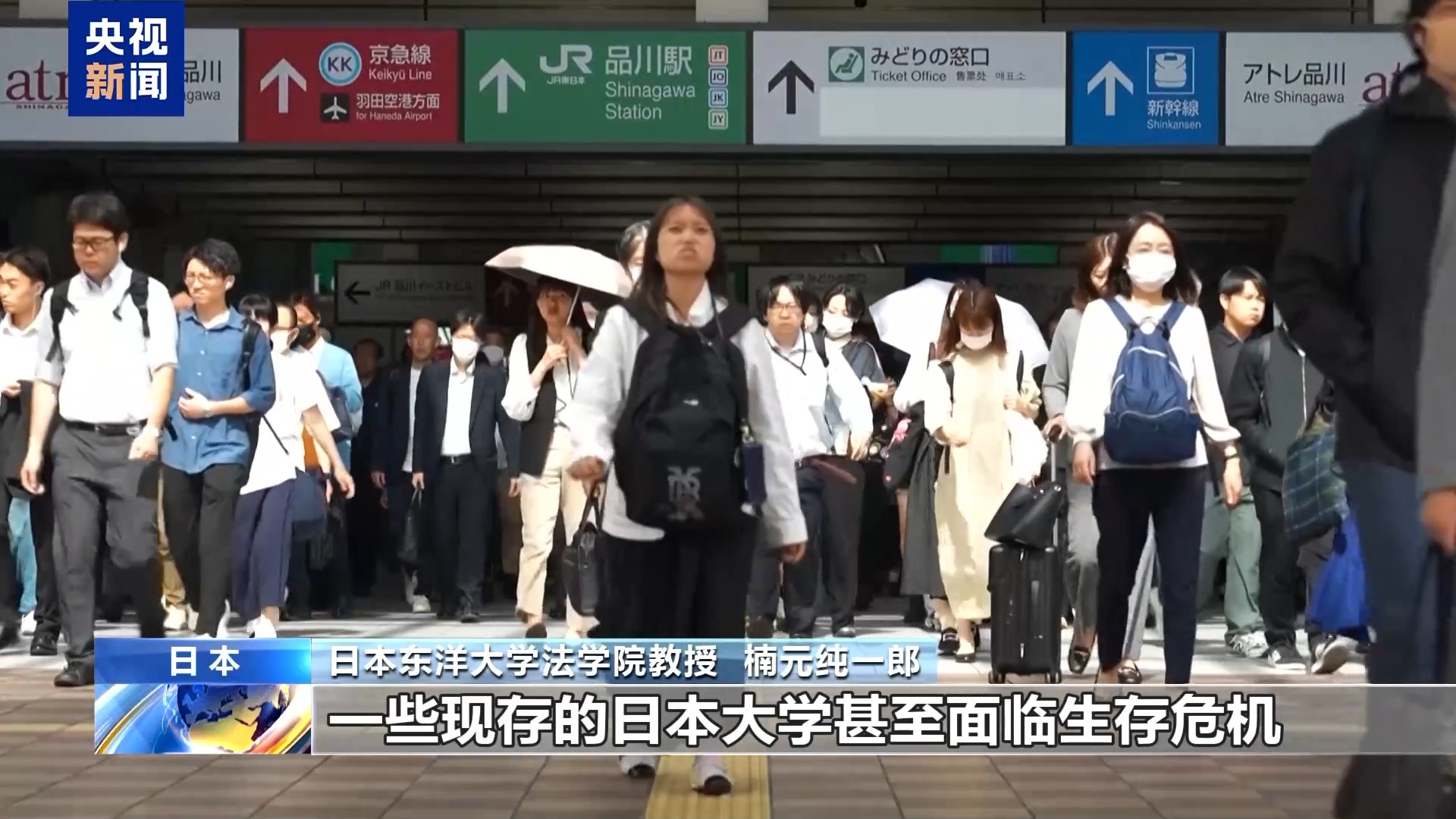
视频丨日本学者:应坚持无核原则 维护中日友好关系
Yang Shi Xin Wen Ke Hu Duan· 2026-01-08 08:58
Group 1 - The adjustment of Japan's "Three Non-Nuclear Principles" and the significant increase in defense spending require high vigilance, as these policy changes could impact Japan-China relations, which should be cherished [1][3] - The "Three Non-Nuclear Principles" have been regarded as a national policy, and Japan is legally bound by the Non-Proliferation Treaty, which restricts the possession or development of nuclear weapons [3] - The ongoing economic challenges faced by the Japanese populace, including rising prices without wage increases, necessitate that the government prioritize budget allocation towards improving citizens' living conditions [3] Group 2 - Japan is experiencing a declining population of college-age individuals due to low birth rates and aging demographics, which poses a survival threat to some universities, particularly if the number of Chinese international students decreases [5] - The long-standing economic and cultural exchanges between Japan and China are vital, and maintaining dialogue and communication aligns with the long-term interests of both nations [5][7] - Since the issuance of the 1972 Japan-China Joint Communiqué, Japan has respected China's "One China" principle, and it is crucial to preserve and maintain this friendly relationship, which has historical significance [7]

日本有识之士呼吁正视侵略历史、推动和平合作
Xin Hua She· 2025-08-14 15:44
Group 1 - The seminar held in Tokyo on the 80th anniversary of Japan's unconditional surrender emphasized the need for Japan to confront its history of aggression and colonialism, advocating for dialogue and cooperation with Asian countries to build stable relationships [1][2] - Former Prime Minister Yukio Hatoyama stated that true patriotism involves acknowledging historical facts and correcting past mistakes, asserting that Japan's responsibility for wartime actions cannot be considered fulfilled until the affected nations express that they will no longer pursue claims [1] - The chairman of the "Inheriting and Developing the Murayama Statement" called for remembrance of important historical documents and the promotion of friendly relations between Japan and Asian countries, criticizing the ongoing denial of Japan's wartime actions by some government officials [1] Group 2 - Professor Yamada Akira highlighted that Japan's peace stance should focus on not becoming a new aggressor, stressing the importance of fostering friendly relations with China and warning against hostile rhetoric [2] - Political scholar and former diplomat Kazuhiko Togo emphasized that Japan must prioritize developing relations with China and establishing stable mutual trust through diplomacy and dialogue [2] - Media expert Tomoyuki Kimura pointed out that the majority of Japanese people were born after the war and must take responsibility for the past, advocating for humility in acknowledging history and the need for reconciliation with victims [2]