中蒙文化交流

Search documents
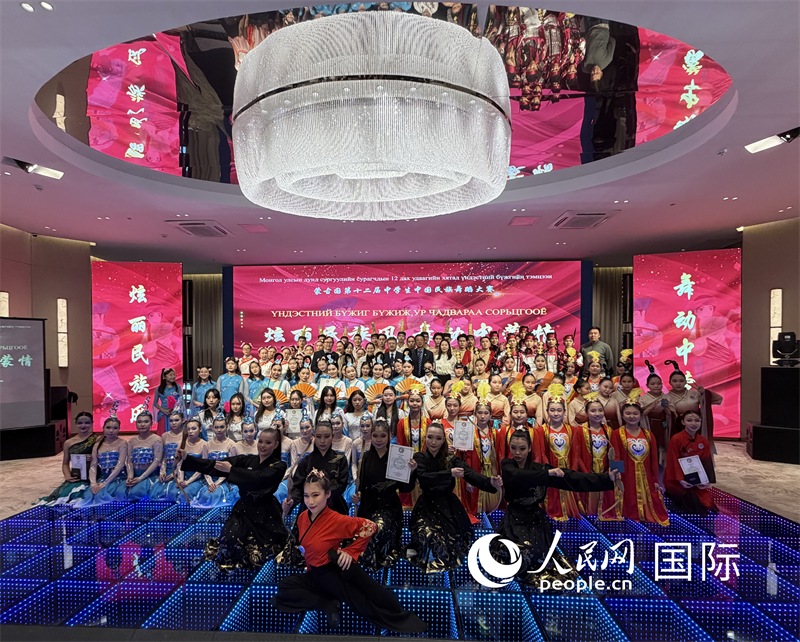
蒙古国举办第十二届中学生中国舞大赛
人民网-国际频道 原创稿· 2025-11-29 03:52
Group 1 - The twelfth Chinese ethnic dance competition for middle school students in Mongolia was held in Ulaanbaatar, themed "Brilliant National Style, Dancing Sino-Mongolian Affection" [1] - The event was organized by the Chinese Embassy in Mongolia and hosted by the Confucius Institute at the National University of Mongolia [1] - A total of 190 participants from 30 programs representing 18 schools in Mongolia competed in the finals [2] Group 2 - The first prize was awarded to the performance "Shadow of the Bow + Spring Chant: Breaking the Formation" from Darhan Rainbow Middle School [2] - Other notable performances included "Museum Night," "Drunken Spring Breeze," and "Dai Dance," which received second and third prizes [2] - The competition showcased vibrant performances and was well-received by the audience, highlighting the cultural exchange between China and Mongolia [2]

第十三届“感知中国”内蒙古文化周活动在乌兰巴托开幕
Xin Hua She· 2025-09-17 12:25
Core Viewpoint - The 13th "Perceiving China" Inner Mongolia Cultural Week has opened in Ulaanbaatar, Mongolia, emphasizing the deep friendship and cultural ties between China and Mongolia, and aims to enhance mutual understanding and cooperation through cultural exchange [1] Group 1: Event Overview - The event is co-hosted by the Chinese Embassy in Mongolia, the Inner Mongolia Autonomous Region Government, and the Ministry of Culture, Sports, Tourism, and Youth of Mongolia [1] - The cultural week will last until September 19 and includes various activities such as exhibitions, artistic performances, a Chinese song competition for Mongolian youth, book publishing exchanges, film screenings, and traditional Mongolian medicine consultations [1] Group 2: Cultural Relations - The cultural and human relations between China and Mongolia have been expanding, with ongoing cooperation in areas such as translation of classic works, construction of national art theaters, and cultural heritage protection [1] - The event is seen as a significant step in implementing the important consensus reached by the leaders of both countries, showcasing China's vitality and progress towards rejuvenation [1]
感受蒙古国的“中文热”
Ren Min Ri Bao Hai Wai Ban· 2025-08-07 01:11
Core Points - The increasing interest in learning Chinese among Mongolian students highlights the growing cultural and economic ties between Mongolia and China [1][2] - The establishment of Chinese language programs in Mongolia's educational institutions reflects the demand for Chinese language skills in the context of trade and cultural exchange [1] - Events like the "Chinese Bridge" competition serve as a platform for Mongolian students to enhance their Chinese language abilities while fostering cultural connections [2] Group 1 - The number of Mongolian students learning Chinese is on the rise, with Chinese being the second most popular foreign language after English [1] - There are currently 18 public and over 40 private schools in Mongolia offering Chinese language courses, with plans for more than 150 additional schools to introduce Chinese programs [1] - Confucius Institutes and classrooms in Mongolia have become key platforms for Chinese language education and cultural exchange [1] Group 2 - Students in Mongolia enjoy learning Chinese through various means, including singing Chinese songs and watching Chinese dramas, which significantly boosts their language skills [2] - The "Chinese Bridge" competition has ignited enthusiasm among Mongolian students for learning Chinese, transforming the competition into a valuable opportunity for language practice [2] - The competition is viewed as a pathway for Mongolian students to explore the richness of the Chinese language and culture, enhancing bilateral cultural exchanges [2]
行走乌兰巴托:感受蒙古国的“中文热”
Xin Hua Wang· 2025-08-04 05:37
Core Insights - The article highlights the growing interest in learning Chinese among young people in Mongolia, driven by cultural and economic ties with China [1][2] Group 1: Education and Language Learning - There are currently 18 national primary and secondary schools and over 40 private schools in Mongolia offering Chinese language courses, with more than 150 additional schools planning to introduce Chinese classes [2] - The Confucius Institutes in Mongolia, including those at the National University of Mongolia and the National University of Education, serve as key platforms for Chinese language education and cultural exchange [2] - Students in Mongolia are increasingly enthusiastic about learning Chinese, often motivated by popular Chinese media and cultural figures [2] Group 2: Cultural Exchange and Events - The "Chinese Bridge" competition has significantly boosted the enthusiasm of Mongolian students for learning Chinese, providing them with valuable opportunities to improve their language skills [2] - The competition is viewed as a platform for cultural exchange, allowing students to explore the richness of the Chinese language and culture [2]
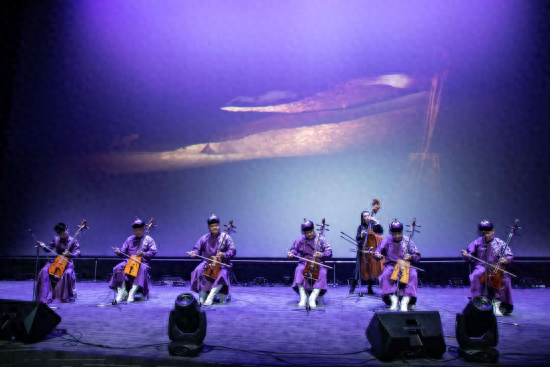
中蒙文化交融:艺术为桥连民心
Zhong Guo Xin Wen Wang· 2025-07-10 01:59
Core Viewpoint - The event "亲情中华·欢聚乌兰巴托" organized by Chinese and Inner Mongolia associations aims to strengthen cultural ties between China and Mongolia through artistic performances, showcasing the rich cultural heritage of Inner Mongolia and fostering goodwill among overseas Chinese and local Mongolian communities [6][7][8]. Group 1: Event Overview - The event took place at the Skywing Center theater in Ulaanbaatar, Mongolia, featuring artists from the Inner Mongolia Yijinhuoluo Banner, who presented a culturally rich performance to over 200 attendees, including overseas Chinese and local guests [6][8]. - This performance marks the first time the "亲情中华" brand has been introduced to Ulaanbaatar and represents a high-level artistic delegation from Inner Mongolia visiting Mongolia [8]. Group 2: Cultural Significance - The performances included various art forms such as long tunes, horsehead fiddle music, and ethnic dances, reflecting both the unique characteristics of Inner Mongolia and shared cultural elements between China and Mongolia [8][9]. - Notable performances included the horsehead fiddle piece "万马奔腾," which evokes the imagery of galloping horses, and the dance "鄂尔多斯舞," which combines traditional and modern elements, showcasing the vibrant spirit of the grassland people [9]. Group 3: Audience Reception - The event concluded with a collective performance of "我爱你中国," evoking strong emotional responses from the audience, who expressed feelings of nostalgia and connection to their homeland [10]. - The event not only served as a cultural feast but also provided spiritual comfort to overseas Chinese, enhancing the cultural exchange between China and Mongolia [10].