中西医协同治疗

Search documents
孟加拉国患者2次赴云南就医 中西医协同治疗效果显著
Xin Lang Cai Jing· 2026-02-15 12:40
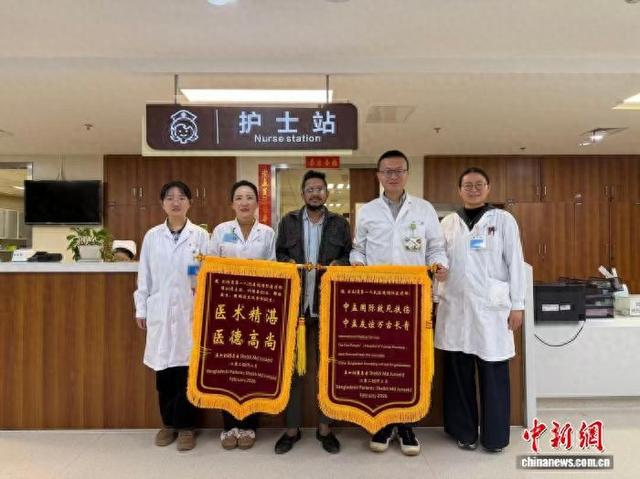
Core Viewpoint - A patient from Bangladesh received significant medical treatment at Yunnan Provincial First People's Hospital, showcasing the effectiveness of a multidisciplinary approach that combines Western and traditional Chinese medicine, leading to improved health outcomes and quality of life for the patient [3][4][6]. Group 1: Patient Background and Initial Treatment - The patient suffered from severe neurological dysfunction due to an injury, leading to symptoms such as hearing loss, tinnitus, facial paralysis, and significant weight loss of approximately 40 kilograms [3]. - After unsuccessful treatments in multiple locations, the patient sought help at Yunnan Provincial First People's Hospital in September 2025, where a multidisciplinary consultation was initiated to assess and treat the condition [3][4]. Group 2: Treatment Approach and Methodology - The hospital employed a comprehensive treatment plan involving various specialties, including neurology and otolaryngology, to address the patient's complex symptoms [3][4]. - The treatment strategy included advanced imaging technology for precise diagnosis, optimized Western medication, acupuncture, rehabilitation training, and overall functional adjustment, forming a collaborative treatment model [4][6]. Group 3: Treatment Outcomes and Patient Experience - Following the treatment, the patient experienced significant improvements, including reduced inner ear inflammation, alleviated tinnitus, improved facial function, a weight gain of 5 kilograms, and better sleep quality [6]. - The patient expressed gratitude to the medical team by presenting two banners, highlighting the emotional and psychological support received during the treatment process, especially during the Chinese New Year [3][6].

九岁男孩百次化疗,力抗癌症不屈服,中西医协同守护生存质量
Cai Fu Zai Xian· 2025-07-23 10:49
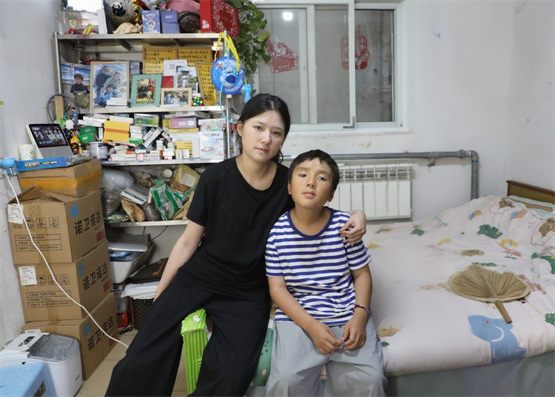
Core Viewpoint - The story of a nine-year-old brain tumor patient, "Xiao Ping An," highlights the resilience of life amidst adversity and the importance of integrated traditional Chinese and modern medicine in cancer treatment [3][5][12]. Group 1: Patient's Journey - Xiao Ping An, born in 2016, underwent a craniotomy at one year old, leading to a challenging journey that included 130 chemotherapy sessions over eight years [3][5]. - The family's experience reflects the struggles faced by many cancer-affected families, showcasing the remarkable resilience of life in dire circumstances [3][5]. Group 2: Integrated Medical Approach - Beijing Andingmen Traditional Chinese Medicine Hospital provided personalized support through a collaborative treatment plan that combines Western and traditional Chinese medicine [5][8]. - The hospital aims to alleviate pain and improve the quality of life for patients, emphasizing the importance of humanistic care alongside medical treatment [5][8]. Group 3: National Health Strategy - The case of Xiao Ping An aligns with the "Healthy China 2030" initiative, which promotes the integration of traditional Chinese medicine to enhance clinical efficacy for complex diseases [8][12]. - The collaboration between Western and traditional medicine serves as a vital force in safeguarding public health and dignity [6][8]. Group 4: Quality of Life Focus - The integrated approach aims to reduce the side effects of chemotherapy, improve appetite and sleep quality, and enhance overall bodily function, thereby increasing treatment tolerance [8][9]. - For patients with special physical conditions or those who cannot tolerate aggressive treatments, traditional Chinese medicine offers significant value in stabilizing disease progression and improving life quality [9][12]. Group 5: Public Awareness and Support - The hospital initiated a public health campaign to raise awareness about diverse cancer treatment options, providing traditional Chinese medical support to families affected by cancer [15]. - Xiao Ping An's story serves as a powerful narrative to educate the public about the essence of diseases and the value of collaborative medical approaches [12][13].