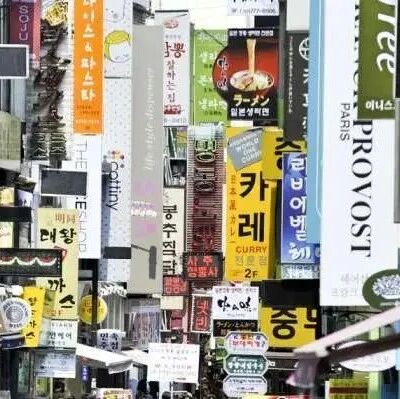
中韩经济合作

Search documents
日本自民党政要透露:高市早苗正在反省 今后应该不会有类似发言
Mei Ri Jing Ji Xin Wen· 2025-11-17 07:25
Group 1 - The Japanese government is reflecting on statements made by its officials regarding Taiwan, indicating a potential shift in diplomatic communication strategies [1] - The South Korean Navy has communicated its intention to suspend a planned joint search and rescue exercise with the Japan Maritime Self-Defense Force, with discussions ongoing to adjust the timing of the exercise [3][5] - The resumption of the joint search and rescue exercise, which had been interrupted since 2018 due to tensions, is seen as a symbol of strengthened cooperation between South Korea and Japan [5] Group 2 - The South Korean government has unified the order of naming Northeast Asian countries to "Korea, China, Japan," reflecting a shift in diplomatic stance and a move to balance relations with China after previous pro-Japan policies [6] - South Korean President Lee Jae-myung emphasized the importance of economic cooperation with China, highlighting the geographical and economic interdependence between the two nations [6]


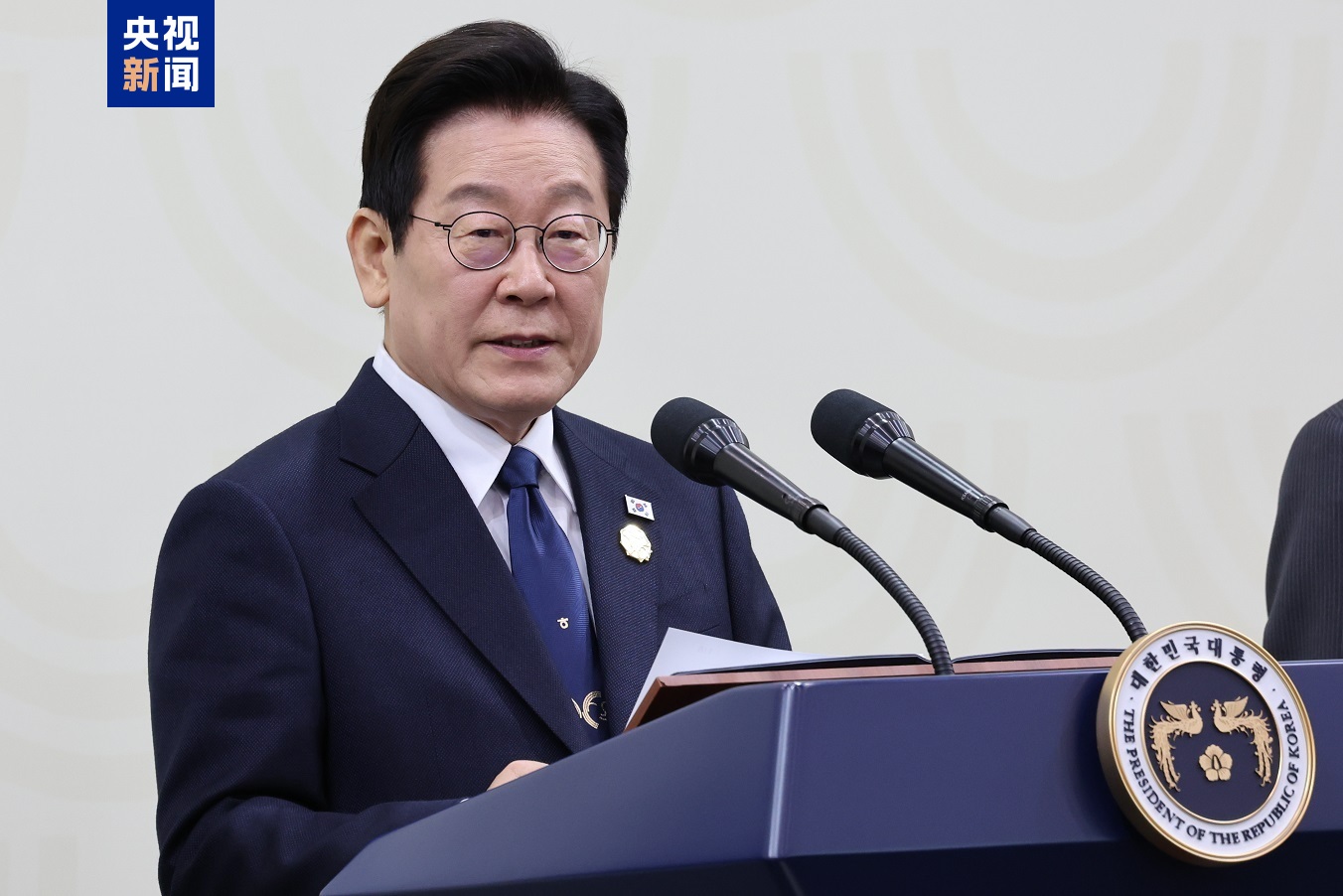
李在明回答总台记者提问:致力于加强与中国合作
Yang Shi Xin Wen· 2025-11-01 05:35
Core Viewpoint - The economic cooperation between China and South Korea is deemed crucial, with both governments committed to improving the lives of their citizens and building a hopeful future [2] Economic Cooperation - China and South Korea are geographically close and economically interdependent, highlighting the importance of their cooperation [2] - The South Korean government aims to enhance collaboration with China in various areas, particularly in economic and civil exchanges [2] Peace and Stability in Northeast Asia - South Korea is focused on creating opportunities for dialogue and cooperation with China to foster peace and stability in Northeast Asia [2] - There is an intention to explore ways to maintain peace and stability in the region while increasing communication and cooperation [2]
人均消费近89万韩元,中国游客能否提振韩国经济
21世纪经济报道· 2025-09-30 13:03
Core Viewpoint - The South Korean government has implemented a trial visa-free entry policy for Chinese group tourists, effective from September 29 until June 30 of the following year, allowing groups of three or more to stay for 15 days, which is expected to boost tourism during China's National Day holiday [1][2][4]. Group 1: Visa Policy and Economic Impact - The visa-free policy is aimed at increasing the number of Chinese tourists, which has a significant economic impact; for every additional 1 million Chinese tourists, South Korea's GDP can increase by 0.08 percentage points [2][11]. - The policy is seen as a response to China's unilateral visa-free policy for South Korean tourists, which has already led to a surge in visitors to China [6][10]. - The current goal for South Korea is to attract 5.36 million Chinese tourists this year, highlighting the economic motivations behind the visa-free initiative [2][11]. Group 2: Tourist Interest and Market Response - Following the announcement of the visa-free policy, there has been a notable increase in interest from Chinese tourists, with group participation rising by 152.2% during the trial period [4]. - Travel agencies in Guangdong reported a 40% increase in inquiries about trips to South Korea, particularly among younger travelers seeking diverse experiences [5][4]. - The peak travel season coinciding with the autumn foliage in October and November is expected to further boost group travel numbers [4]. Group 3: Industry Preparedness and Service Enhancements - South Korean travel and retail industries are preparing to welcome Chinese tourists by enhancing services, such as hiring Chinese-speaking staff and offering Chinese menus [5][10]. - The introduction of mobile payment options like WeChat Pay in public transport and retail settings is aimed at improving the shopping experience for Chinese visitors [5][10]. - The flexibility of the new visa policy, allowing smaller groups to travel, is expected to attract more spontaneous travelers [7][8]. Group 4: Challenges and Market Dynamics - Despite the positive outlook, the requirement for group travel to be booked through designated travel agencies and the need for strict adherence to travel arrangements may limit the immediate impact of the visa-free policy [8]. - The shift in Chinese tourist preferences towards personalized and in-depth travel experiences may reduce the effectiveness of the group travel visa exemption [8]. - The competitive landscape in the Asia-Pacific region poses challenges for South Korea, as it seeks to maintain its attractiveness as a travel destination against other countries like Japan and Thailand [10].