主动权益业务

Search documents
屡屡踏空 发起式基金走到清盘 东财基金权益业务陷困局
经济观察报· 2026-03-19 08:00
Core Viewpoint - The imminent risk of liquidation for the Dongcai Value Start Mixed Fund is not an isolated case, as several other funds launched by Dongcai Fund in 2023 are also approaching their three-year evaluation period, facing similar risks of termination due to insufficient asset value [2][9]. Group 1: Fund Performance and Risks - The Dongcai Value Start Mixed Fund, established on March 30, 2023, will trigger contract termination if its net asset value remains below 200 million yuan by March 30, 2026 [5]. - As of December 31, 2025, the fund's scale was only 15 million yuan, significantly below the 200 million yuan threshold [6]. - The fund has recorded a cumulative loss of over 30% since its inception, with a year-to-date decline of 20.19% as of March 17, 2026, ranking second to last among all mixed equity funds [6][7]. - The fund's frequent changes in holdings have contributed to its poor performance, with significant shifts in investment focus throughout 2025, including sectors like digital economy, military, photovoltaic, and lithium resources [6][7]. Group 2: Broader Implications for Dongcai Fund - The liquidation risk of the Dongcai Value Start Mixed Fund reflects a broader issue within Dongcai Fund's active equity business, as multiple funds launched around the same time are also underperforming [9][10]. - By the end of 2025, all funds launched in 2023 had net asset values below 16 million yuan, indicating a potential wave of liquidations as the three-year evaluation period approaches [9]. - Dongcai Fund's public fund management scale was 57.6 billion yuan at the end of 2025, with 73% in bond funds, while the combined scale of equity and mixed funds was only 15.3 billion yuan [11]. - The company has shifted its focus towards actively managed equity funds since 2023, but many of these funds have not met performance expectations, with half of the ten mixed equity funds showing negative returns since inception [11][12].


华宝基金主动权益业务持续弱化引关注 多只基金清盘背后现规模结构隐忧 |基金观察
Sou Hu Cai Jing· 2026-02-13 07:06
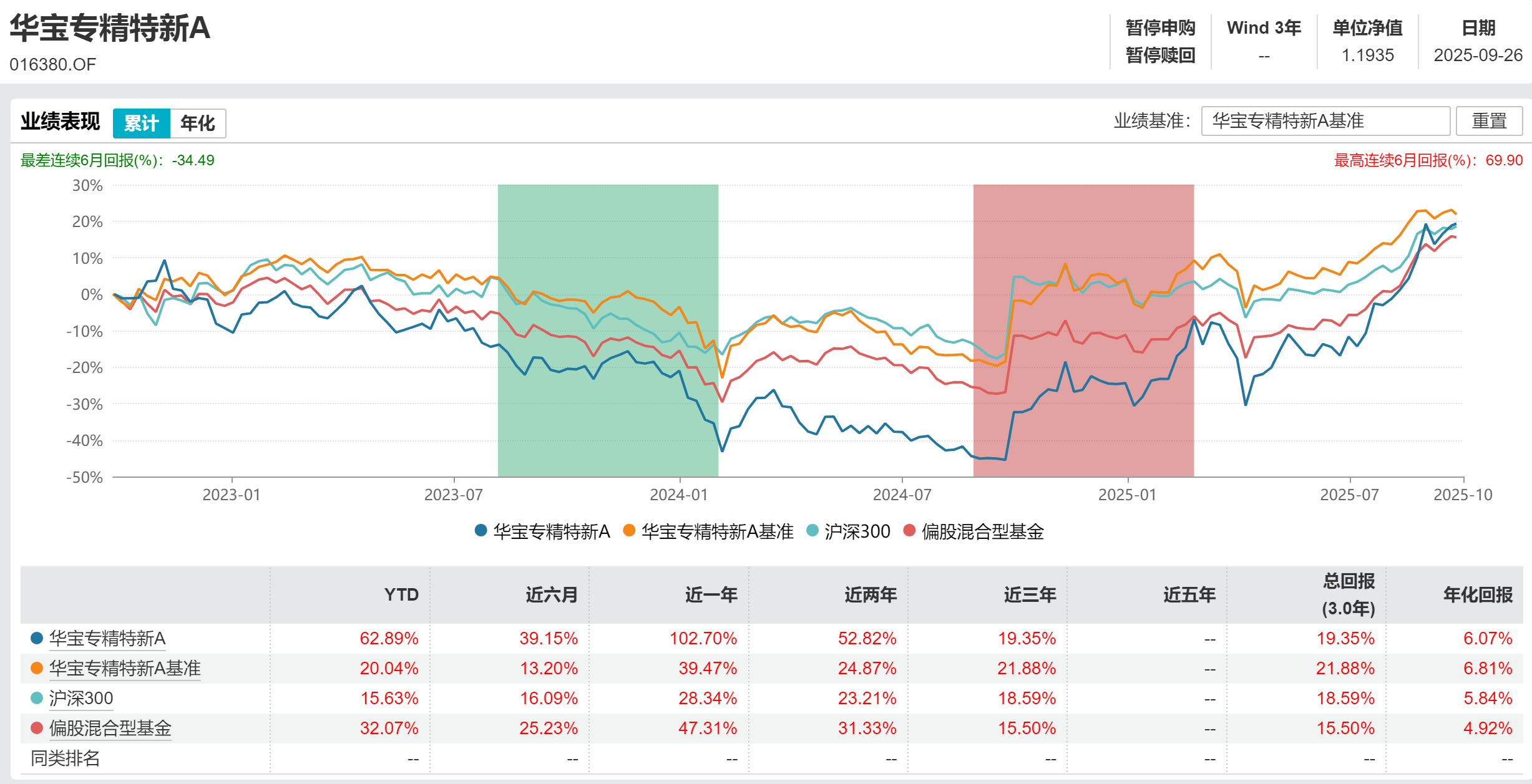
Core Viewpoint - The recent liquidation of several actively managed equity funds by Huabao Fund highlights the challenges faced by the company in the active equity sector, despite having a significant asset management scale of approximately 420 billion yuan [1][4]. Fund Performance and Liquidation - Huabao's "Specialized and Innovative" fund saw a performance increase of over 100% in the year leading up to its liquidation, which is unusual as high-performing funds are typically promoted heavily [4]. - The "Huabao Yuan Shi" fund was terminated just 7 months after its establishment, indicating a troubling trend in the company's fund management [4]. Asset Management Scale and Structure - As of January 31, 2026, Huabao Fund's total asset management scale was approximately 420 billion yuan, ranking 28th in the industry [4]. - The fund's structure is heavily skewed, with over 90% of its assets in money market funds (1,757 billion yuan) and ETFs (2,130 billion yuan), while actively managed equity funds account for less than 5% of the total [6][4]. Strategic Goals and Management Changes - The previous chairman, Huang Kongwei, set an ambitious target of reaching 1 trillion yuan in assets by 2027, but the current scale is still 580 billion yuan short of this goal [6]. - The new chairman, Xia Xuesong, lacks experience in the public fund sector, which raises concerns about the company's strategic direction [6][15]. Investment Strategy and Performance Issues - The active equity business of Huabao Fund has been criticized for its research and investment capabilities, particularly with the Nasdaq Select Fund, which has deviated from its investment goals [7]. - The fund's high turnover rate of 866.99% and significant trading commissions raise questions about its management efficiency [12]. Future Outlook and Challenges - The new management has emphasized strengthening ETF and fixed income strategies, with little focus on active equity, which may hinder the company's competitiveness in the future [18]. - Industry experts suggest that without overcoming the challenges in active management and balancing its business structure, Huabao Fund may face greater difficulties in the competitive landscape [18].
华宝基金主动权益业务持续弱化引关注 多只基金清盘背后现规模结构隐忧
Zhong Guo Neng Yuan Wang· 2026-02-13 06:55
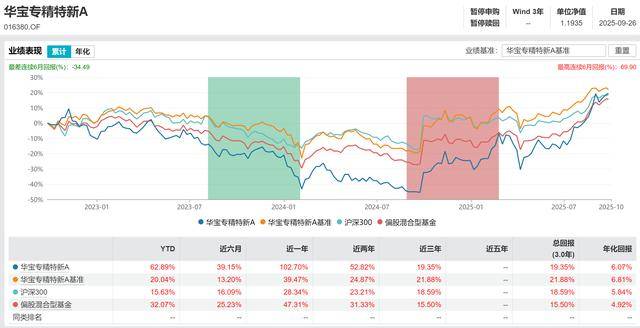
Core Viewpoint - The recent liquidation of several actively managed equity funds by Huabao Fund has raised significant concerns about the company's challenges in the active equity sector, despite the impressive performance of some funds [1][5]. Fund Performance and Liquidation - Huabao's "Zhuanjing Te Xin" fund achieved over 100% growth in the past year but was still liquidated due to not meeting the minimum scale requirement [1][5]. - The "Yuan Shi" fund was terminated just 7 months after its establishment, highlighting the difficulties faced by Huabao in maintaining its active equity offerings [1][5]. Asset Management Scale and Structure - As of early 2026, Huabao Fund's total asset management scale is approximately 420 billion yuan, ranking 28th in the industry [5][7]. - The fund's structure is heavily skewed, with over 90% of its assets in money market funds and ETFs, while actively managed equity funds account for less than 5% of its total assets [6][7]. Strategic Goals and Management Changes - The previous chairman, Huang Kongwei, set an ambitious target of reaching 1 trillion yuan in assets by 2027, but the current scale is still 580 billion yuan short of this goal [7]. - The new chairman, Xia Xuesong, lacks experience in the public fund sector, which raises concerns about the company's strategic direction [7][21]. Management Focus and Future Challenges - The new management has emphasized strengthening the ETF segment and expanding fixed-income investments, with little focus on active equity strategies [21]. - Despite a recent successful launch of a mixed equity fund, the overall trend indicates a weakening of Huabao's active equity business, which may pose greater challenges in a competitive market [21].