乡村跑腿服务

Search documents
故乡里的中国|乡村跑腿人的购物小票里,藏着游子最具体的牵挂
Xin Lang Cai Jing· 2026-02-16 05:42
Core Insights - The article highlights the emerging role of rural delivery services in China, particularly in Henan province, where individuals like Zhang Dezhen are bridging the gap between migrant workers and their families by delivering goods and emotional support during the festive season [1][28] Group 1: Business Model - Zhang Dezhen started his rural delivery service after being inspired by similar services in other regions, utilizing social media to promote his business and connect with clients [11][12] - The service primarily caters to migrant workers who wish to send goods to their elderly family members, especially during the Chinese New Year, reflecting a growing demand for such services in labor-exporting provinces like Henan [15][20] - The delivery model involves purchasing items from supermarkets, ensuring quality, and delivering them directly to the elderly, which has become a vital service as many seniors are unable to shop for themselves [11][20] Group 2: Market Dynamics - The demand for rural delivery services has increased significantly during the festive season, with shopping lists becoming longer and more diverse, indicating a shift in consumer behavior as families seek to provide for their loved ones from afar [5][20] - The service operates on a low-margin basis, with Zhang charging based on distance and not marking up the prices of goods, which reflects a community-oriented approach [13][14] - The rise of "rural runners" like Zhang is a response to the demographic changes in rural areas, where many young people migrate for work, leaving behind elderly relatives who require assistance [15][28] Group 3: Emotional Connection - The delivery service is not just about transporting goods; it also serves as a means of emotional connection, allowing migrant workers to express care and concern for their families through tangible items [3][25] - Many clients request that their sentiments be conveyed through Zhang, highlighting the cultural nuances of communication in rural China, where direct expressions of affection may be less common [26][27] - The act of delivering goods is seen as a way to bridge generational gaps and maintain familial bonds, especially during significant cultural events like the Chinese New Year [18][28]

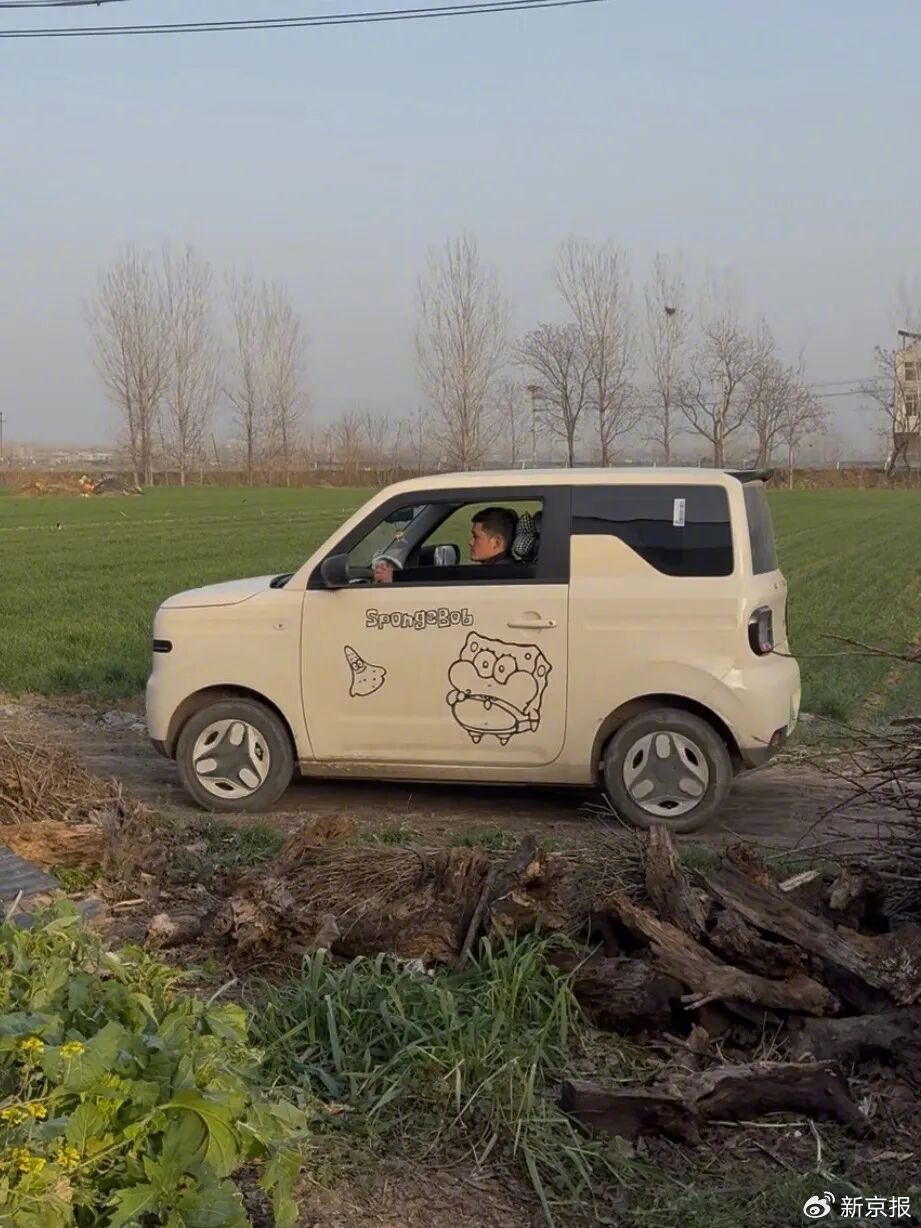
跟着全镇唯一的“跑腿”,走进村里老人的家丨相对论·新春走基层
Yang Shi Xin Wen Ke Hu Duan· 2026-02-03 08:59
Core Insights - The article highlights the emergence of a rural delivery service in Henan, China, which caters to the needs of villagers, particularly the elderly, by providing a platform for purchasing and delivering goods from town to the village [2][4][9]. Group 1: Service Overview - The delivery service, initiated by a local entrepreneur named Xiao Ma, has become the only delivery platform in the town after eight years of development [4]. - The service includes a variety of products such as fresh fruits, daily necessities, and customized gift packages for holidays and birthdays, aimed at those living away from home [4][6]. - Delivery fees are calculated based on distance and quantity, typically ranging from 20 to 30 yuan per order [4]. Group 2: Customer Engagement - Customers often request personalized items, such as specific snacks or even singing birthday songs, showcasing the emotional connection and value added by the service [6][10]. - The service also facilitates video calls between the delivery person and the recipients, enhancing the emotional experience for elderly customers who may not be tech-savvy [12][14]. Group 3: Market Demand and Challenges - There is a significant demand for delivery services among the elderly, who may find it difficult to access traditional delivery methods or online shopping [8][9]. - Despite the government's efforts to improve logistics in rural areas, challenges remain in achieving comprehensive delivery coverage, which this service aims to address [9]. Group 4: Entrepreneurial Journey - Xiao Ma's background includes various jobs in different provinces, leading to the establishment of the delivery service after recognizing the gap in the market for rural logistics [19]. - The service has evolved from a simple food delivery model to a more comprehensive delivery solution, responding to the specific needs of the local community [19][20]. Group 5: Community Impact - The service has fostered a sense of community and connection among villagers, with Xiao Ma treating elderly customers as family, which has contributed to the service's popularity [20]. - The rise of similar delivery services across the country indicates a growing trend of young individuals finding sustainable livelihoods by addressing local needs [20].