
二战历史反思

Search documents
国际观察丨反省缺失 叙事畸形——德国学者批评高市错误言论和日本右翼史观
Xin Hua She· 2025-12-01 01:12
Core Viewpoint - German scholars criticize Japan's lack of historical reflection and the distortion of its wartime narrative, particularly in light of recent comments by Prime Minister Kishi, which challenge post-war international order and threaten regional peace and stability [1][7]. Group 1: Historical Reflection - German President Frank-Walter Steinmeier acknowledged the brutal air raids on Guernica, emphasizing the suffering of civilians and the importance of remembering such atrocities [1]. - German experts argue that Japan has not genuinely reflected on its wartime responsibilities, continuing to evade and obscure its historical accountability while promoting a distorted view of World War II [3][4]. - The comparison between Germany and Japan reveals that Germany has taken significant steps to confront its Nazi past, while Japan has failed to adequately address its wartime actions, such as the enshrinement of war criminals at Yasukuni Shrine [3][5]. Group 2: Political Implications - High-profile figures in Japan, including Prime Minister Kishi, have made statements that reflect a rightward shift in Japanese politics, which could jeopardize relations with neighboring countries like China and South Korea [7][10]. - The narrative of victimhood prevalent in Japan's historical discourse often overshadows its aggressions during the war, leading to a lack of awareness among younger generations regarding Japan's wartime actions [5][6]. - The international community is urged to express strong concerns regarding Japan's political trajectory, as it poses significant risks to regional and global security [7][10].

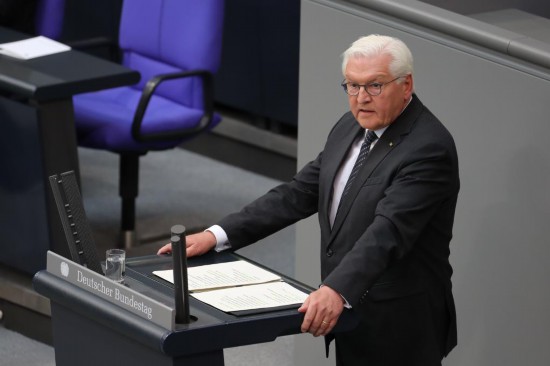
国际观察|反省缺失 叙事畸形——德国学者批评高市错误言论和日本右翼史观
Xin Hua She· 2025-11-30 13:09
Group 1 - The core argument highlights the stark contrast between Germany and Japan in their historical reflections on World War II, with Germany acknowledging its past atrocities while Japan is criticized for failing to confront its wartime responsibilities [1][2] - German scholars emphasize that Japan has not genuinely reflected on its history of aggression, instead promoting a distorted narrative that downplays its wartime actions and responsibilities [2][3] - The narrative in Japan is dominated by a "victim narrative," focusing on its suffering during the war while avoiding acknowledgment of its role in initiating aggression [3][4] Group 2 - The rise of right-wing politics in Japan, exemplified by Prime Minister Kishi's controversial statements, poses a significant threat to regional and global stability, as it reflects a trend of historical revisionism [5] - Experts warn that such political stances damage Japan's relationships with neighboring countries like China and South Korea, potentially leading to diplomatic crises [5] - The international community is urged to express strong concerns and take necessary measures to address the resurgence of militaristic sentiments in Japan [5]