二手设备资源循环

Search documents
二手餐饮设备回收:餐饮摆渡人
3 6 Ke· 2025-08-29 07:32
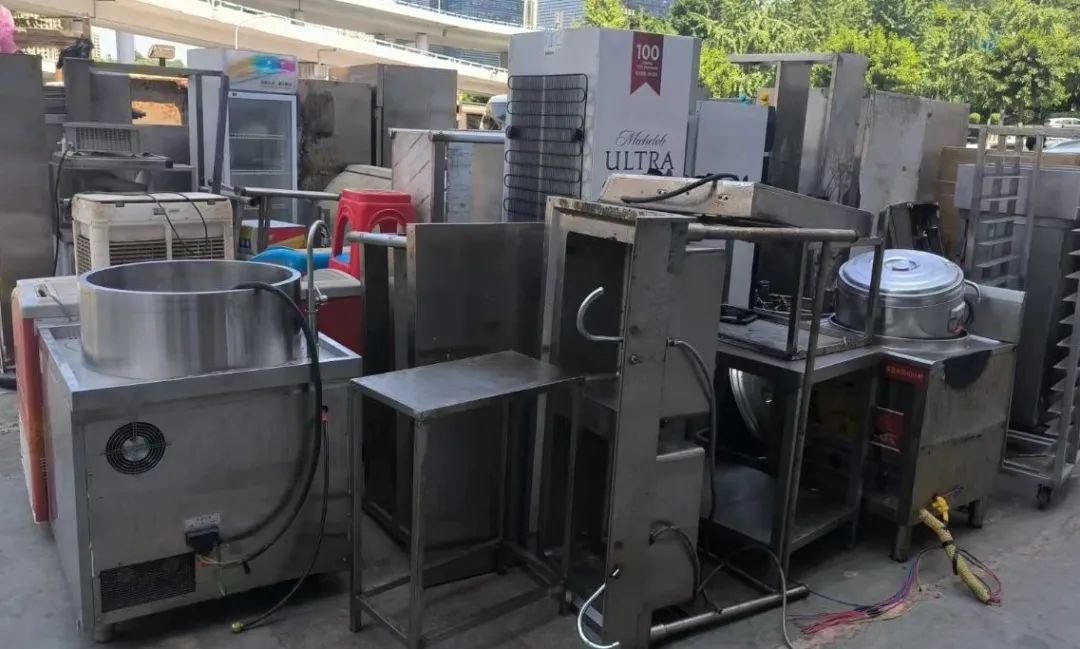
Core Insights - The second-hand equipment recycling industry in the catering sector acts as an "ecological cleaner," providing a resource recycling channel that benefits both failed entrepreneurs and new entrants [2] - The industry has become an essential part of the catering entrepreneurial ecosystem, with 1.056 million catering businesses deregistered in the first half of 2024, while thousands of new entrepreneurs emerge monthly [2] Group 1: Industry Dynamics - Second-hand equipment recyclers are often perceived as "vultures" preying on closed restaurants, but they play a crucial role in the industry's lifecycle [2][3] - The process of dismantling and recycling equipment is systematic, with workers efficiently removing and categorizing items from closed establishments [3][4] - The pricing of second-hand equipment is influenced by various factors, including brand, condition, and transportation costs, allowing recyclers to offer competitive prices [4] Group 2: Financial Implications - Entrepreneurs are increasingly turning to second-hand equipment to reduce initial investment costs, with statistics showing that 30% of new catering businesses in 2024 will opt for second-hand equipment [6] - The use of second-hand equipment has been linked to a 17% higher survival rate in the first year for startups compared to those using all new equipment, acting as a financial buffer [6] Group 3: Market Trends - The second-hand equipment market reflects broader trends in the catering industry, with recyclers having insights into which types of equipment are in demand based on current market conditions [7] - Seasonal patterns affect the second-hand equipment market, with peak sales occurring at the beginning of the year and increased returns at year-end as businesses close [7][8] Group 4: Evolving Perceptions - The role of second-hand equipment recyclers is evolving from "grave diggers" to "ferries," as they help improve equipment utilization and support new business models like shared kitchens [9] - The industry is moving towards transparency and trust-building, with recyclers providing detailed reports on equipment condition and engaging in live demonstrations to attract customers [9][10]