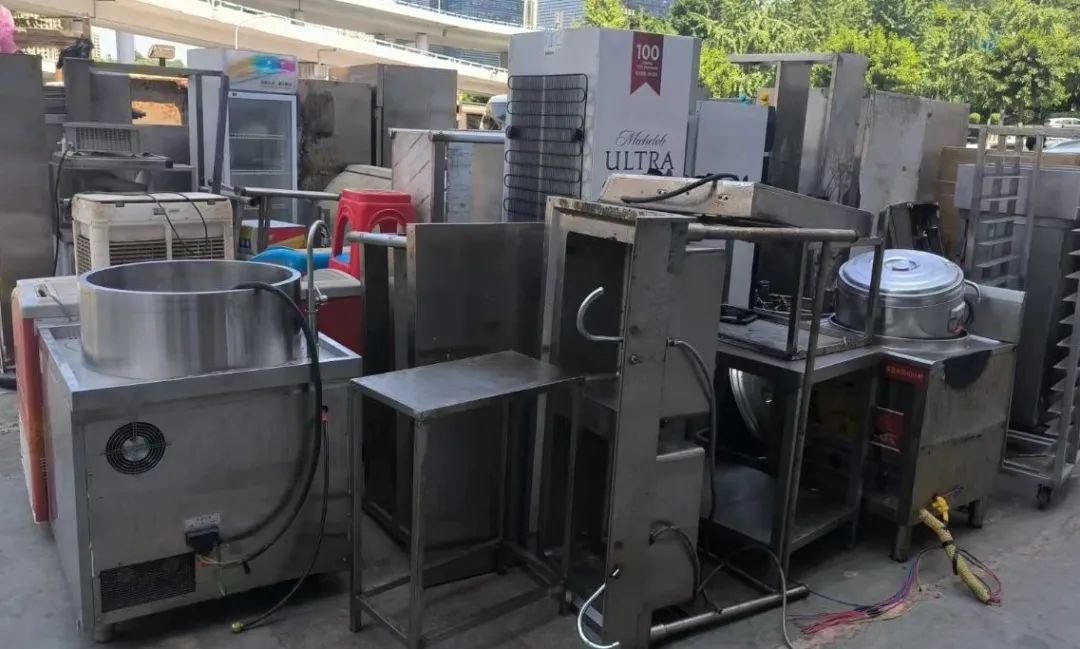
二手餐饮设备回收

Search documents
从“躺赚”到“硬撑”,二手餐饮设备回收遇冷
Qi Lu Wan Bao· 2025-11-21 12:05
Core Insights - The second-hand catering equipment market is experiencing a slowdown in turnover and profitability due to a decline in the restaurant industry, leading to an increase in inventory and a decrease in sales [2][3][4] Market Dynamics - The influx of second-hand equipment has surged as many restaurants close down, but the demand has not kept pace, resulting in a significant backlog of unsold items [2][3] - The average turnover period for second-hand equipment has extended from one to two weeks to one to two months or longer, with transaction prices and turnover rates dropping by over 20% [3][4] - The competitive landscape has intensified, with many new entrants in the market, but the number of active participants is now decreasing as more businesses exit [3][5] Pricing Trends - The resale prices for second-hand equipment have decreased significantly, with some items dropping from over 10,000 yuan to around 7,000-8,000 yuan [6] - Despite the overall decline in prices, certain high-demand items like quality coffee machines and imported steamers have seen price increases of 10%-20% due to their desirability [6][7] Operational Adjustments - Many operators are shifting from a high-volume, low-margin model to a more selective approach, focusing on acquiring equipment from well-known brands and newer items [5][7] - The traditional model of "collecting, refurbishing, and selling" is evolving into a service-oriented approach, with businesses offering guarantees and delivery services to enhance customer experience and improve turnover rates [8] Future Outlook - The second-hand catering equipment industry is transitioning from a "bargain hunting" phase to a more professional competitive stage, where service quality and market insight will be key differentiators [8]

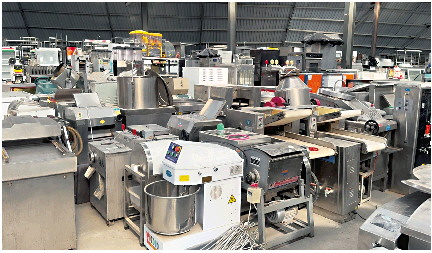
营业额暴跌50%!一批餐饮“收尸人”挣扎求生
创业邦· 2025-10-19 10:48
Core Viewpoint - The second-hand restaurant equipment recovery industry is facing significant challenges, with many operators experiencing a sharp decline in sales and increased inventory pressure due to a lack of demand and heightened competition [4][7][21]. Group 1: Industry Challenges - Many "grave diggers" in the restaurant industry are reporting a drastic drop in business, with terms like "halved revenue" and "losses" becoming common [4][5]. - The once lucrative second-hand equipment recovery business has seen profit margins plummet, with some operators struggling to sell recovered equipment, leading to inventory piling up in warehouses [7][9]. - In the first eight months of this year, one operator reported a 100% increase in recovered equipment but a 30% decrease in sales, indicating a significant mismatch between supply and demand [9][10]. Group 2: Market Dynamics - The second-hand equipment recovery market has shifted from a niche, high-profit sector to a highly competitive environment, with increased transparency in pricing and a reduction in profit margins [13][15]. - The influx of new competitors has intensified price wars, leading to a situation where equipment is sold at lower prices, further squeezing profit margins [15][17]. - The demand side has also changed, with fewer new restaurant openings and a cautious approach from entrepreneurs, resulting in a significant drop in potential buyers for second-hand equipment [17][18]. Group 3: Operational Adjustments - To cope with rising storage costs and cash flow pressures, many recovery operators are moving away from indiscriminate recovery practices to more selective operations, focusing on high-demand, quality equipment [25][26]. - Some operators are reducing their workforce and shifting to flexible labor arrangements to cut costs, while others are transitioning to online sales models to lower overhead [26][27]. - A trend towards offering enhanced services, such as extended warranties and maintenance support, is emerging as operators seek to differentiate themselves and meet the evolving needs of restaurant brands [27].

营业额暴跌50%,一批餐饮“收尸人”挣扎求生
虎嗅APP· 2025-10-17 13:42
Core Viewpoint - The second-hand restaurant equipment recovery industry is facing significant challenges, with many operators experiencing a sharp decline in sales and increased inventory pressure due to a lack of demand and heightened competition [4][6][12]. Group 1: Industry Challenges - Many "grave diggers" in the restaurant industry are reporting a halving of their revenues, with terms like "operating at a loss" becoming common [4][6]. - The traditional peak season for selling second-hand equipment has not materialized this year, leading to increased inventory and financial strain for many recovery operators [7][8]. - In the first eight months of this year, the volume of second-hand equipment recovered from hot pot restaurants increased by over 100%, but sales of related equipment dropped by more than 30% [8][12]. Group 2: Market Dynamics - The second-hand equipment recovery market has shifted from a high-margin niche to a highly competitive environment, with increased transparency in pricing and reduced profit margins [12][15]. - The previous model of low-cost acquisitions has ended, with recovery operators now facing higher purchase prices and lower selling prices, leading to a significant decline in profitability [16][18]. - The number of new restaurant openings has decreased, resulting in fewer opportunities for recovery operators to sell acquired equipment, leading to inventory buildup and cash flow issues [19][21]. Group 3: Adaptation Strategies - To survive, many recovery operators are focusing on improving inventory turnover and adopting a more selective approach to acquisitions, prioritizing high-demand and newer equipment [26][29]. - Some operators are reducing operational costs by downsizing staff and shifting to online sales models to lower rental expenses [30][31]. - A trend towards offering enhanced services, such as extended warranties and maintenance support, is emerging as operators seek to meet the evolving demands of chain brands [30][31]. Group 4: Conclusion - The second-hand restaurant equipment recovery sector is transitioning from a period of easy profits to a more professional and service-oriented model, where success will depend on understanding market needs and providing better services [32].

二手餐饮设备回收:餐饮摆渡人
3 6 Ke· 2025-08-29 07:32
Core Insights - The second-hand equipment recycling industry in the catering sector acts as an "ecological cleaner," providing a resource recycling channel that benefits both failed entrepreneurs and new entrants [2] - The industry has become an essential part of the catering entrepreneurial ecosystem, with 1.056 million catering businesses deregistered in the first half of 2024, while thousands of new entrepreneurs emerge monthly [2] Group 1: Industry Dynamics - Second-hand equipment recyclers are often perceived as "vultures" preying on closed restaurants, but they play a crucial role in the industry's lifecycle [2][3] - The process of dismantling and recycling equipment is systematic, with workers efficiently removing and categorizing items from closed establishments [3][4] - The pricing of second-hand equipment is influenced by various factors, including brand, condition, and transportation costs, allowing recyclers to offer competitive prices [4] Group 2: Financial Implications - Entrepreneurs are increasingly turning to second-hand equipment to reduce initial investment costs, with statistics showing that 30% of new catering businesses in 2024 will opt for second-hand equipment [6] - The use of second-hand equipment has been linked to a 17% higher survival rate in the first year for startups compared to those using all new equipment, acting as a financial buffer [6] Group 3: Market Trends - The second-hand equipment market reflects broader trends in the catering industry, with recyclers having insights into which types of equipment are in demand based on current market conditions [7] - Seasonal patterns affect the second-hand equipment market, with peak sales occurring at the beginning of the year and increased returns at year-end as businesses close [7][8] Group 4: Evolving Perceptions - The role of second-hand equipment recyclers is evolving from "grave diggers" to "ferries," as they help improve equipment utilization and support new business models like shared kitchens [9] - The industry is moving towards transparency and trust-building, with recyclers providing detailed reports on equipment condition and engaging in live demonstrations to attract customers [9][10]