二轮车电动化

Search documents
“二轮比亚迪”将在日本上市,日媒惊呼:新的“黑船”来了
Guan Cha Zhe Wang· 2025-11-04 09:16
Core Viewpoint - Yadea, the world's largest electric two-wheeler company, is set to launch its electric two-wheeler PORTA in Japan at a price of 217,800 yen (approximately 10,450 RMB), which is about 30% cheaper than products from Japanese companies like Honda [1][3] Group 1: Market Entry and Product Features - The PORTA model features a retro design aimed at attracting younger consumers and falls under Japan's "original 1 class" for electric two-wheelers, allowing it to be driven with a regular car license [1][3] - The vehicle can be charged using a household outlet, with a maximum range of 60 km on a full charge [1][3] Group 2: Competitive Landscape - Japanese companies, historically dominant in the gasoline two-wheeler market, are facing challenges from the electric wave, with Yadea's entry potentially impacting their electric vehicle strategies [1][5] - Honda and Yamaha's cheapest electric models exceed 300,000 yen (approximately 14,400 RMB), making Yadea's offering significantly more affordable [3][4] Group 3: Regulatory Environment - Yadea's launch coincides with Japan's stricter emissions regulations starting in November, which align with European standards, prompting local manufacturers to halt production of current models [3][4] - Japanese manufacturers plan to continue producing gasoline vehicles that comply with the new regulations, but only Yamaha has announced a timeline for new compliant models, set for mid-2026 [3][4] Group 4: Industry Trends and Projections - The global two-wheeler market is projected to sell 59.9 million new units in 2024, with electric models expected to account for 8.5% of sales, rising to 18.8% by 2035 [5][7] - Despite the push for electrification, some analysts believe that the gasoline two-wheeler market will continue to grow, suggesting that Japanese companies may not need to lead in electrification [5][7] Group 5: Japanese Companies' Response - In response to the electric two-wheeler market pressure, Honda plans to invest 500 billion yen in electrification by 2030, aiming to launch 30 electric models globally [7] - Yamaha plans to electrify about 30% of its new two-wheelers between 2025 and 2027, indicating a shift towards electric models [7]



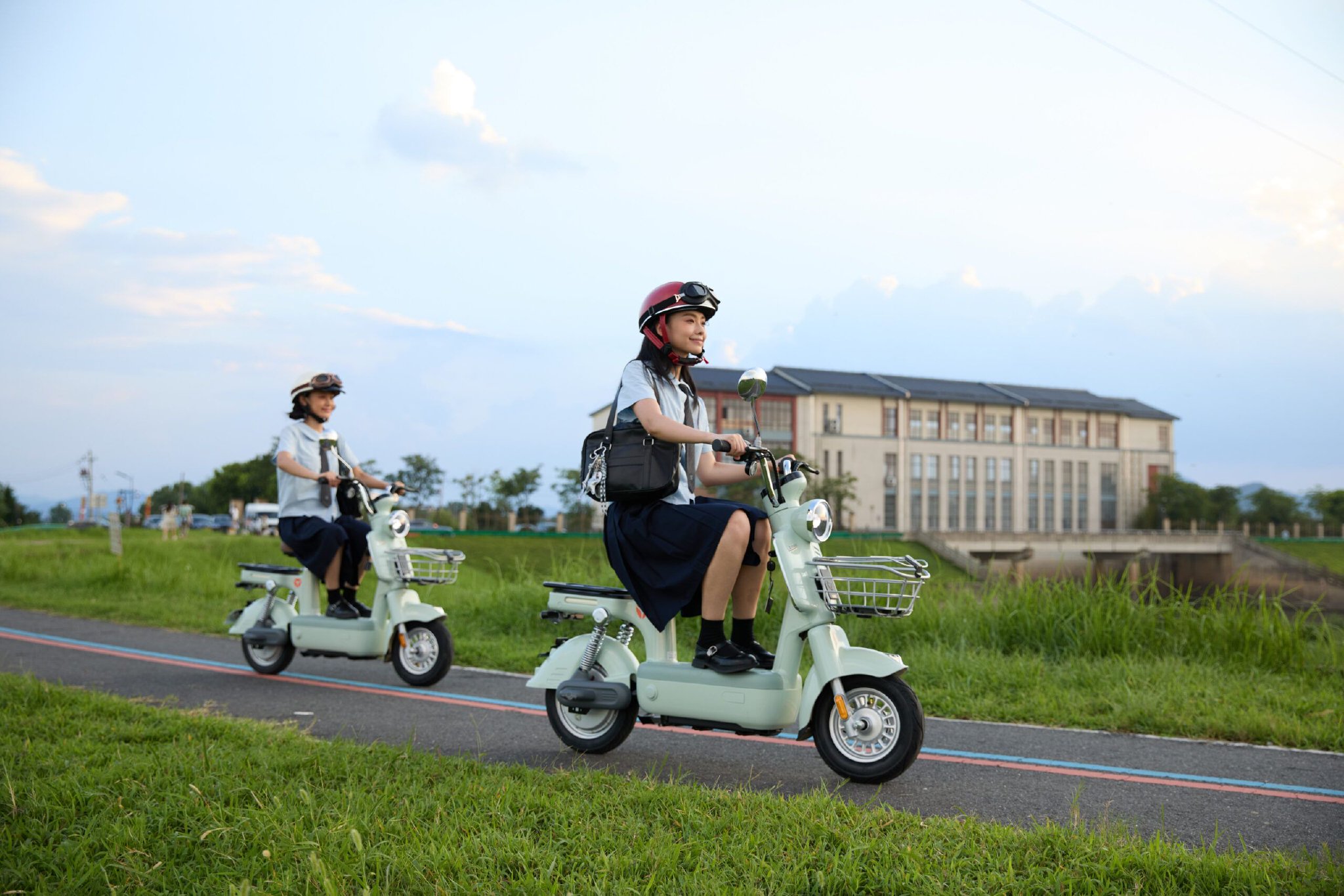
雅迪登陆日本,会成为“黑船”吗?
日经中文网· 2025-11-04 02:32
Core Viewpoint - Yadea Group Holdings, the largest electric two-wheeler company globally, is set to launch its electric scooter PORTA in Japan in November, priced at 217,800 yen (approximately 10,450 RMB), which is about 30% cheaper than similar products from Japanese companies like Honda [2][4][5]. Market Entry Strategy - The launch coincides with Japan's new stricter exhaust emission regulations, which will significantly reduce carbon monoxide and nitrogen oxide emissions, creating a favorable market environment for electric vehicles [5][8]. - Yadea aims to disrupt the market by offering competitive pricing that aligns with gasoline scooters, thereby attracting consumers looking to switch [5][17]. Product Specifications - The PORTA falls under Japan's "original class 1" electric two-wheeler category, with a maximum output of 0.6 kW, and can be charged using standard household outlets, offering a maximum range of 60 kilometers on a full charge [4][12]. Market Context - Japanese companies, including Honda, Yamaha, Suzuki, and Kawasaki, dominate over 40% of the global two-wheeler market, primarily with gasoline-powered models [11]. - The Japanese two-wheeler market has seen a significant decline, with sales projected to drop to approximately 320,000 units by 2024, down from over 3 million in the early 1980s [7]. Competitive Landscape - Other emerging players in the electric two-wheeler market include Ola Electric Mobility from India, VinFast from Vietnam, and Gogoro from Taiwan, indicating a growing competition in the sector [14]. - Honda plans to invest 500 billion yen in electric two-wheeler development by 2030, aiming to launch 30 electric models globally [15]. Future Projections - The electric two-wheeler market is expected to grow, with projections indicating that by 2035, the electric vehicle share could reach 18.8% of new two-wheeler sales globally [12].