
互助养老

Search documents
新春走基层·见喜|一个小食堂如何激活一个村
Xin Lang Cai Jing· 2026-02-23 07:19
Core Insights - The article highlights the innovative approach of a village in Sichuan, China, where a "rural canteen" has been established to address the challenges of elderly care and social isolation among senior citizens [2][11] - The initiative, led by village leader Deng Wei, focuses on mutual assistance and community engagement, transforming the canteen into a social hub for the elderly [10][11] Summary by Sections Village Canteen Initiative - The "rural canteen" was created to provide meals and companionship for elderly residents, addressing the issue of loneliness and lack of proper nutrition [4][11] - Initially, 52 elderly individuals signed up for the program, which has now grown to 67 participants [4] Community Engagement and Participation - The canteen operates on a points system where elderly participants earn points through various activities, fostering a sense of ownership and community involvement [6][10] - Activities include helping in the kitchen, gardening, and participating in social events, which not only provide meals but also enhance social interactions [10] Impact on Elderly Well-being - The initiative has significantly improved the mental and physical health of the elderly, with noticeable changes in their demeanor and social behavior [10] - The canteen has become a platform for the elderly to contribute their skills, such as traditional bamboo weaving, thereby preserving cultural heritage and generating income [10][11] Broader Implications for Rural Development - The success of the canteen demonstrates a low-cost, effective model for elderly care that leverages existing community resources and social networks [11] - By fostering a sense of community and mutual support, the initiative has strengthened village governance and social cohesion, making it easier to implement other community projects [11]

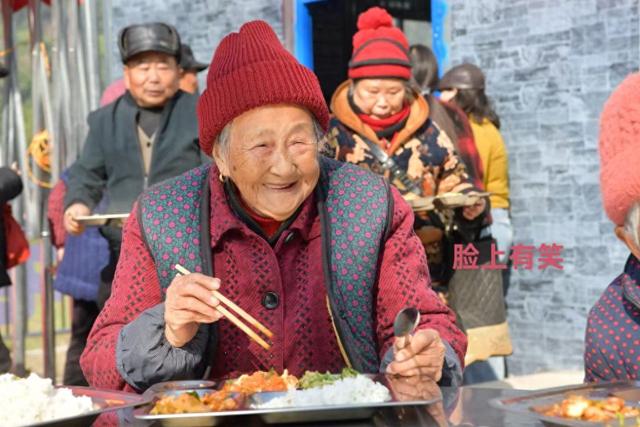
幸福院托起老人幸福年
Xin Lang Cai Jing· 2026-02-20 18:38
Core Viewpoint - The article highlights the positive living conditions and community support provided by the Huizhu Mutual Elderly Care Happiness Center in the Ewenki Autonomous Banner, showcasing a model of elderly care that combines comfort, community, and healthcare services [1][2][3] Group 1: Living Conditions - The Huizhu Mutual Elderly Care Happiness Center has been operational for nearly 10 years, covering an area of 1,200 square meters with 24 rooms, each 50 square meters, designed to meet the needs of elderly residents [2] - Residents enjoy a warm living environment with centralized heating, and the government covers basic living expenses, requiring only a 600 yuan annual management fee [1][2] Group 2: Community and Activities - The center fosters a vibrant community atmosphere, with residents engaging in festive activities such as decorating with lanterns and socializing, creating a sense of belonging and joy [2] - The design of the center allows for individual room customization, providing both communal living and private space for the elderly [2] Group 3: Healthcare Services - A "medical-nursing combined" service model is established, where healthcare professionals regularly visit to provide services like massage therapy, blood pressure monitoring, and free health check-ups [3] - Recent efforts by a local telecommunications company successfully installed internet and television services in the center, enhancing residents' connectivity with family and access to entertainment [3]
村里有了养老互助站
Xin Lang Cai Jing· 2026-02-07 06:22
Core Viewpoint - The establishment of mutual aid elderly care stations in Shanxi Province's Dain County aims to improve the quality of life for elderly residents, providing affordable meals and companionship, thereby addressing the challenges faced by the aging population in rural areas [1][2][3]. Group 1: Background and Initiatives - The initiative for mutual aid elderly care stations originated from a visit by the local party secretary, who observed elderly residents struggling with inadequate meals despite having food available at home [2]. - Dain County has implemented a model of "one yuan lunch + local subsidies" to encourage elderly residents aged 75 and above to gather for meals and support each other, leading to the establishment of nine mutual aid stations [3]. - The county has expanded this model to create a comprehensive elderly care service system, including the construction of nursing homes, day care centers, and a regional elderly service center [3][4]. Group 2: Service Enhancements - Dain County has improved its elderly care services through government policies and community support, resulting in the completion of a new nursing home equipped with facilities for the elderly [5]. - The county's day care centers provide free meals and have been upgraded with safety and accessibility features, catering to over 200 elderly individuals [5]. - A professional inspection team conducts regular checks on elderly care facilities to ensure safety and quality of service, transitioning from a reactive to a systematic approach in elderly care [5][6]. Group 3: Community Impact - The mutual aid stations have fostered a sense of community among elderly residents, providing companionship and support, which has significantly improved their quality of life [6]. - The initiative has transformed the perception of elderly care from mere survival to a more fulfilling and enjoyable experience, with a focus on companionship and emotional support [6]. - Future plans include the establishment of a smart elderly care monitoring platform to better respond to the needs of rural elderly residents [6].
民生“问答对”@代表委员丨刘春香:让乡村留守老人从“孤独地吃”变成“热闹地生活”
Xin Lang Cai Jing· 2026-01-31 15:23
Core Viewpoint - The article highlights the efforts of Liu Chunxiang in addressing the needs of elderly individuals in rural areas, particularly focusing on the establishment of community meal services to combat loneliness and nutritional deficiencies among seniors [4][11]. Group 1: Community Needs and Challenges - In Qipanjun Village, over 600 residents are aged 60 and above, with many being left-behind elderly who face challenges in meal preparation and nutrition [3][4]. - The village has long considered establishing communal dining facilities, but a lack of leadership and sustainable solutions has hindered progress [3][4]. Group 2: Initiatives and Solutions - Liu Chunxiang has initiated a community service center that provides meals and social interaction for elderly residents, creating a supportive environment with over 300 volunteers [4][6]. - The community meal service encourages shared responsibilities among residents, fostering a sense of belonging and reducing isolation [6][10]. Group 3: Future Plans and Vision - Liu Chunxiang aims to replicate the successful community meal model in more rural areas, emphasizing the importance of local resources and community involvement in elder care [10][11]. - She plans to advocate for a systematic approach to rural elder meal services at the provincial level, focusing on sustainable community-driven solutions rather than solely relying on government support [11].
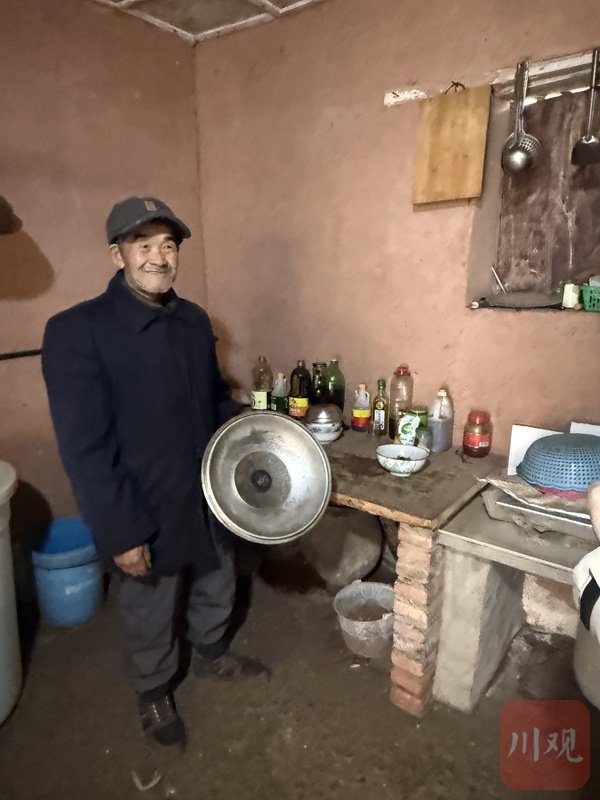
爆了!领头雁旅行社带火互助养老服务,退休旅游新方式成老年圈新宠
Feng Huang Wang· 2025-12-04 05:10
Group 1 - The core idea of the article is that the "silver wave" of aging population is leading to a rise in demand for companionship among retirees, and the innovative integration of mutual assistance services into retirement travel is creating a new way for elderly individuals to enjoy their later years [1][5] - The mutual assistance model allows retirees to travel together, forming groups based on similar ages and interests, which fosters companionship and support during trips, making travel more enjoyable and meaningful [3][4] - The travel experience is characterized by a slower pace and deeper engagement, allowing retirees to explore historical sites, enjoy fishing, and hike in nature, enhancing their overall well-being [3][4] Group 2 - The travel agency, Lingtouyan Travel Agency, prioritizes the needs and concerns of elderly travelers, ensuring that itineraries are designed to accommodate their physical conditions and avoid overexertion [4] - The agency encourages mutual support among travelers, facilitating a sense of community and shared experiences, which contributes to a fulfilling retirement life [4] - The combination of mutual assistance, enriching travel experiences, and the agency's commitment to responsibility transforms retirement travel into a vibrant and memorable chapter of life for the elderly [4]
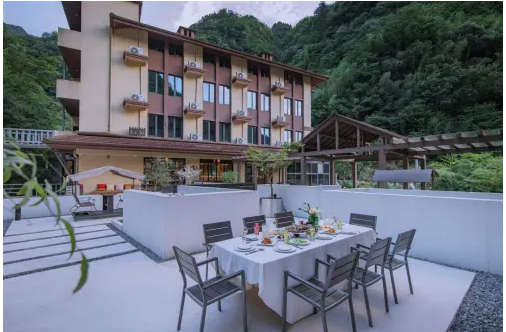
常州推动形成可持续的互助养老生态年轻“小老人”成社区“大宝藏”
Xin Hua Ri Bao· 2025-10-14 23:24
Core Viewpoint - The articles highlight the active role of elderly individuals in community service and governance in Changzhou, showcasing their contributions to social value and community well-being [1][2][4]. Group 1: Community Engagement - The "Ten Full Ten Beautiful" birthday party for elderly residents illustrates the vibrant community spirit, with volunteers, many of whom are also elderly, playing a crucial role in organizing events [1]. - In Changzhou, elderly individuals are increasingly transitioning from being recipients of care to becoming providers of services, fostering a sustainable community mutual aid ecosystem [2][4]. - The "Silver Hair Mentors" initiative showcases elderly residents leading various community activities, such as cooking, organizing cultural events, and engaging with younger generations [3]. Group 2: Elderly Empowerment - The establishment of the "Dream Employment Studio" by a retired community worker has successfully created job opportunities for 317 disabled individuals over 12 years, demonstrating the impact of elderly-led initiatives [2]. - The Changzhou Elderly Calligraphy Research Association, led by elderly members, has been active in promoting art and supporting fellow seniors, contributing to their well-being and community engagement [2]. - The city of Changzhou is implementing policies to integrate healthy aging concepts into social development, aiming to create an elderly-friendly society that values the contributions of older adults [4]. Group 3: Policy and Infrastructure - Changzhou's population aged 60 and above accounts for 29.7%, indicating a significant aging demographic that necessitates supportive policies and community structures [4]. - The city is actively promoting the "Home-based Elderly Care Service Regulations" to ensure that elderly individuals receive adequate support and can contribute meaningfully to their communities [4]. - The establishment of elderly-friendly communities and the enhancement of basic elderly care services are part of Changzhou's strategy to improve the quality of life for seniors [4].