人体实验

Search documents
731部队原队员揭露细菌武器生产细节:我们的研究是为了把鼠疫菌变成武器,人体实验一直在做,生产的细菌总量足以毁灭整个人类
Xin Lang Cai Jing· 2026-01-31 16:27
Core Viewpoint - The recent public disclosure of a complete interview with Sato Hideo, a member of the infamous Unit 731, provides critical evidence of the unit's development of biological weapons and inhumane human experimentation during the invasion of China [1][14]. Group 1: Biological Weapons Development - Sato Hideo stated that the research conducted by Unit 731 aimed to weaponize the plague bacteria, with over 1,000 animals, primarily guinea pigs and small rodents, being dissected to study the effects of the bacteria [2][5]. - The unit was known for breeding fleas from captured rats to create biological weapons, with plague-infected fleas being a key weapon due to their high lethality and wide infection range [3][5]. - The production capacity of the unit was significant, with claims of being able to produce 300 kilograms of plague bacteria per month, indicating a large-scale industrial operation for biological warfare [6][7]. Group 2: Human Experimentation - Sato Hideo openly admitted that human experimentation was ongoing, particularly in designated buildings that were heavily secured to maintain secrecy [10][13]. - The unit ensured that the human subjects used for experiments were kept in good health to obtain accurate data, reflecting a cold and calculated approach to their inhumane practices [11][13]. - The involvement of elite medical professionals from prestigious Japanese universities in these experiments highlights the systematic and organized nature of the crimes committed by Unit 731 [13][14]. Group 3: Systematic State Crime - The testimonies and evidence presented illustrate that the actions of Unit 731 were not isolated incidents but part of a broader, state-sponsored initiative driven by Japanese militarism [14]. - The comprehensive nature of the evidence, including Sato Hideo's firsthand accounts, reinforces the historical documentation of these war crimes and the necessity of remembering this history to prevent future atrocities [14].

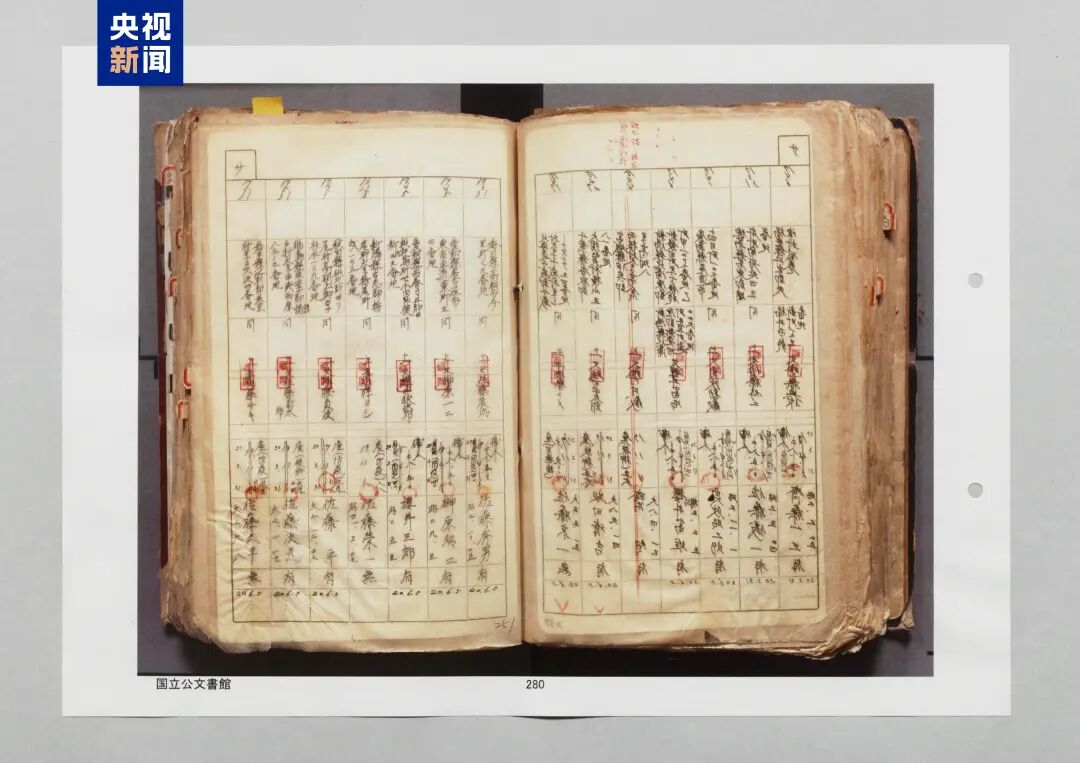
涉731部队人体实验,恐怖细节曝光!
Huan Qiu Wang· 2026-01-31 15:24
Core Viewpoint - The recent revelations from former members of the Japanese Imperial Army's Unit 731 provide critical evidence of the systematic development of biological weapons and inhumane human experimentation during wartime, highlighting the organized nature of these war crimes [1][14]. Group 1: Biological Weapons Development - The research conducted by Unit 731 aimed to weaponize the plague bacteria, with former member Sato Hideo stating that over a thousand animals, primarily small rodents, were dissected to study the effects of the bacteria [2][5]. - The unit's production capabilities were significant, with claims of producing up to 300 kilograms of plague bacteria per month, indicating a large-scale industrial operation for biological warfare [6][7]. Group 2: Human Experimentation - Sato Hideo confirmed that human experimentation was ongoing, with specific facilities (Buildings 7 and 8) designated for these activities, emphasizing the secretive nature of the operations [10][13]. - The unit ensured that the human subjects used in experiments were kept in good health to obtain accurate data, reflecting a cold and calculated approach to human experimentation [11][13]. Group 3: Systematic War Crimes - The testimonies reveal that the actions of Unit 731 were not isolated incidents but part of a broader, systematic state-sponsored program of war crimes, involving collaboration with elite medical professionals from Japan's top universities [14]. - The evidence presented by former members, alongside existing historical documents, reinforces the narrative of organized and state-sanctioned biological warfare conducted by the Japanese military during the invasion of China [14].
“人体实验一直有!”731部队原队员揭露细菌武器生产细节
Xin Lang Cai Jing· 2026-01-31 15:24
Core Viewpoint - The recent public disclosure of a complete interview with Sato Hideo, a former member of the infamous Unit 731, provides critical evidence of the unit's development of biological weapons and inhumane human experimentation during the Second Sino-Japanese War [1][12]. Group 1: Evidence of Biological Warfare - Sato Hideo explicitly stated that their research aimed to weaponize the plague bacteria, indicating a systematic approach to developing biological weapons [2][4]. - The unit, known as "the rat unit," captured large numbers of rats to breed fleas for the production of bacterial weapons, highlighting the lethal potential of plague-infested fleas [2][6]. - The production capacity of Unit 731 was significant, with claims of being able to produce 300 kilograms of plague bacteria per month, demonstrating an industrial-scale operation for biological warfare [5][6]. Group 2: Human Experimentation - Sato Hideo revealed that human experimentation was a continuous practice within Unit 731, with specific facilities designated for such activities [7][11]. - The unit maintained a strict protocol for the health of experimental subjects, ensuring they were well-nourished to obtain accurate data, which underscores the cold and calculated nature of their experiments [9][11]. - The involvement of elite medical professionals from prestigious Japanese universities in these experiments indicates a systematic and organized approach to human rights violations [11][12]. Group 3: Historical Context and Implications - The testimony of Sato Hideo, combined with existing archival materials, reinforces the narrative of Unit 731 as a state-sponsored, organized crime against humanity, rather than isolated incidents [12]. - The comprehensive nature of the evidence presented serves to remind society of the importance of acknowledging historical atrocities to prevent their recurrence in the future [12].
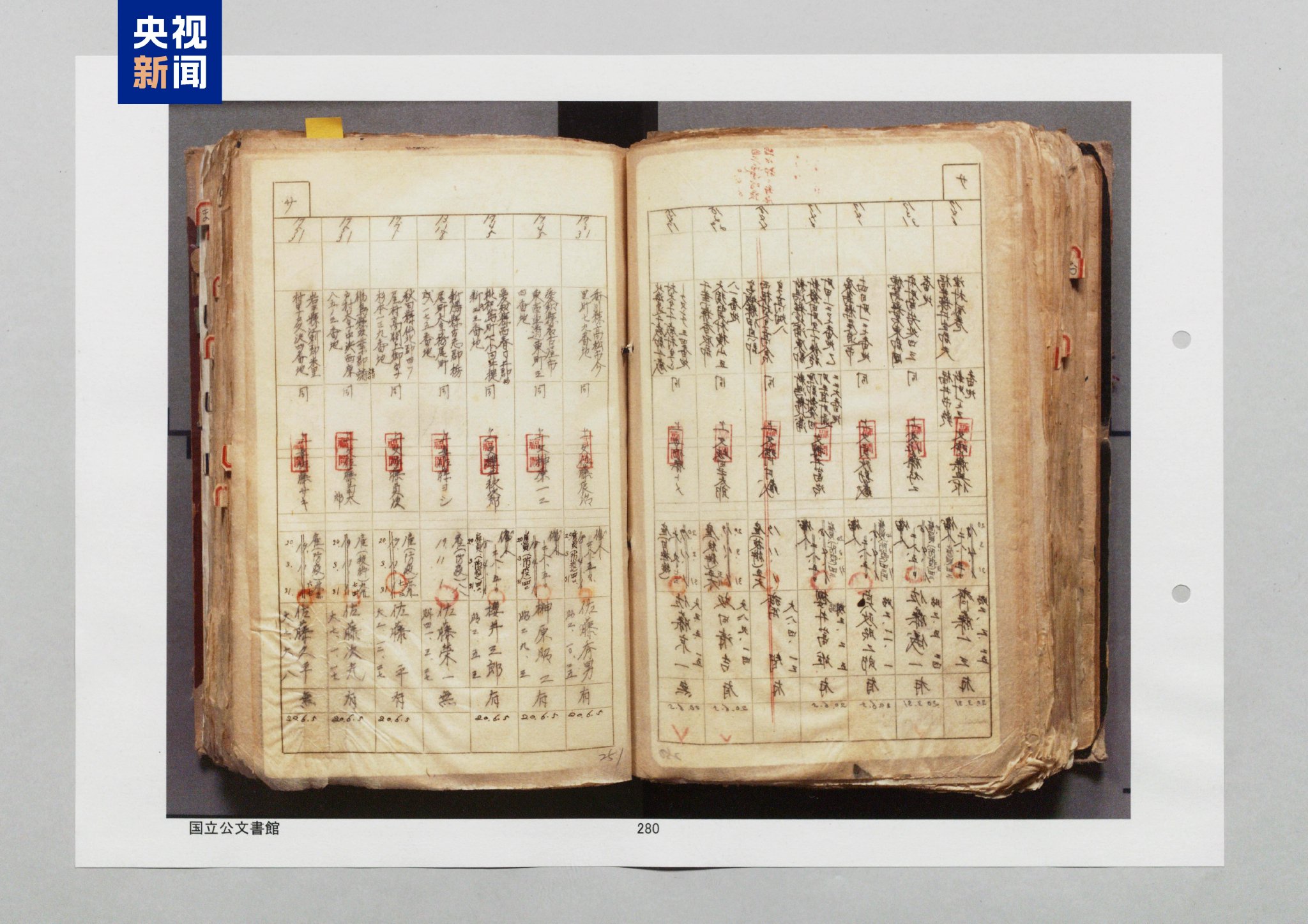
“解剖千只老鼠!人体实验一直有!”731部队原队员揭露细菌武器生产细节
Xin Lang Cai Jing· 2026-01-31 14:20
Core Viewpoint - The recent release of a complete interview with Sato Hideo, a former member of the infamous Unit 731, provides critical evidence of the unit's development of biological weapons and inhumane human experimentation during the Second Sino-Japanese War [1][12]. Group 1: Evidence of Biological Warfare - Sato Hideo stated that the research conducted by Unit 731 aimed to weaponize the plague bacteria, indicating a systematic approach to biological warfare [2][4]. - The unit was known for breeding fleas from captured rats to create biological weapons, with the plague fleas being a primary weapon due to their high lethality and wide infection range [2][6]. - The production capacity of Unit 731 was substantial, with claims of producing up to 300 kilograms of plague bacteria per month, sufficient to potentially destroy humanity [5][6]. Group 2: Human Experimentation - Sato Hideo revealed that human experimentation was a continuous practice within Unit 731, conducted in specially designed facilities to ensure secrecy [7][11]. - The unit employed a rigorous selection process for human subjects, ensuring they were healthy to obtain accurate experimental data, which highlights the cold and calculated nature of their experiments [9][11]. - The involvement of elite medical professionals from prestigious Japanese universities in these experiments underscores the organized and systematic nature of the crimes committed by Unit 731 [11][12]. Group 3: Historical Context and Implications - The testimonies and existing archival materials collectively reinforce the narrative of Unit 731 as a state-sponsored, organized crime against humanity, driven by militaristic ideologies [12]. - The release of Sato Hideo's testimony serves not only as a historical record but also as a reminder of the importance of acknowledging and learning from past atrocities to prevent their recurrence [12].
“解剖千只老鼠!人体实验一直有!”731部队原队员揭露关键铁证
Xin Lang Cai Jing· 2026-01-31 14:20
Core Viewpoint - The recent public disclosure of a complete interview with Sato Hideo, a member of the infamous Unit 731, provides critical evidence of the unit's involvement in biological warfare and inhumane human experimentation during the invasion of China [1][12]. Group 1: Biological Warfare Development - Sato Hideo stated that the research conducted by Unit 731 aimed to weaponize the plague bacteria, indicating a clear intent to use biological agents as weapons [2][4]. - The unit was known for breeding fleas from captured rats to create biological weapons, with plague-infested fleas being a primary weapon due to their high lethality and wide infection range [2][6]. - The production capacity of Unit 731 was significant, with claims of being able to produce up to 300 kilograms of plague bacteria per month, highlighting the industrial scale of their operations [5][6]. Group 2: Human Experimentation - Sato Hideo openly admitted that human experimentation was a continuous practice within Unit 731, revealing the existence of a secret prison where such experiments were conducted [7][11]. - The unit ensured that the subjects of their experiments were kept in good health to obtain accurate data, indicating a systematic approach to human experimentation [9][11]. - The involvement of elite medical professionals from prestigious Japanese universities in these experiments underscores the organized and state-sponsored nature of these crimes [11][12]. Group 3: Evidence and Historical Context - The testimony of Sato Hideo connects the dots between the development of biological weapons, large-scale production, human experimentation, and battlefield deployment, illustrating a complete cycle of crime [12]. - This evidence, along with existing archives and historical sites, reinforces the notion that the actions of Unit 731 were part of a larger, systematic state crime driven by militaristic ideologies [12].
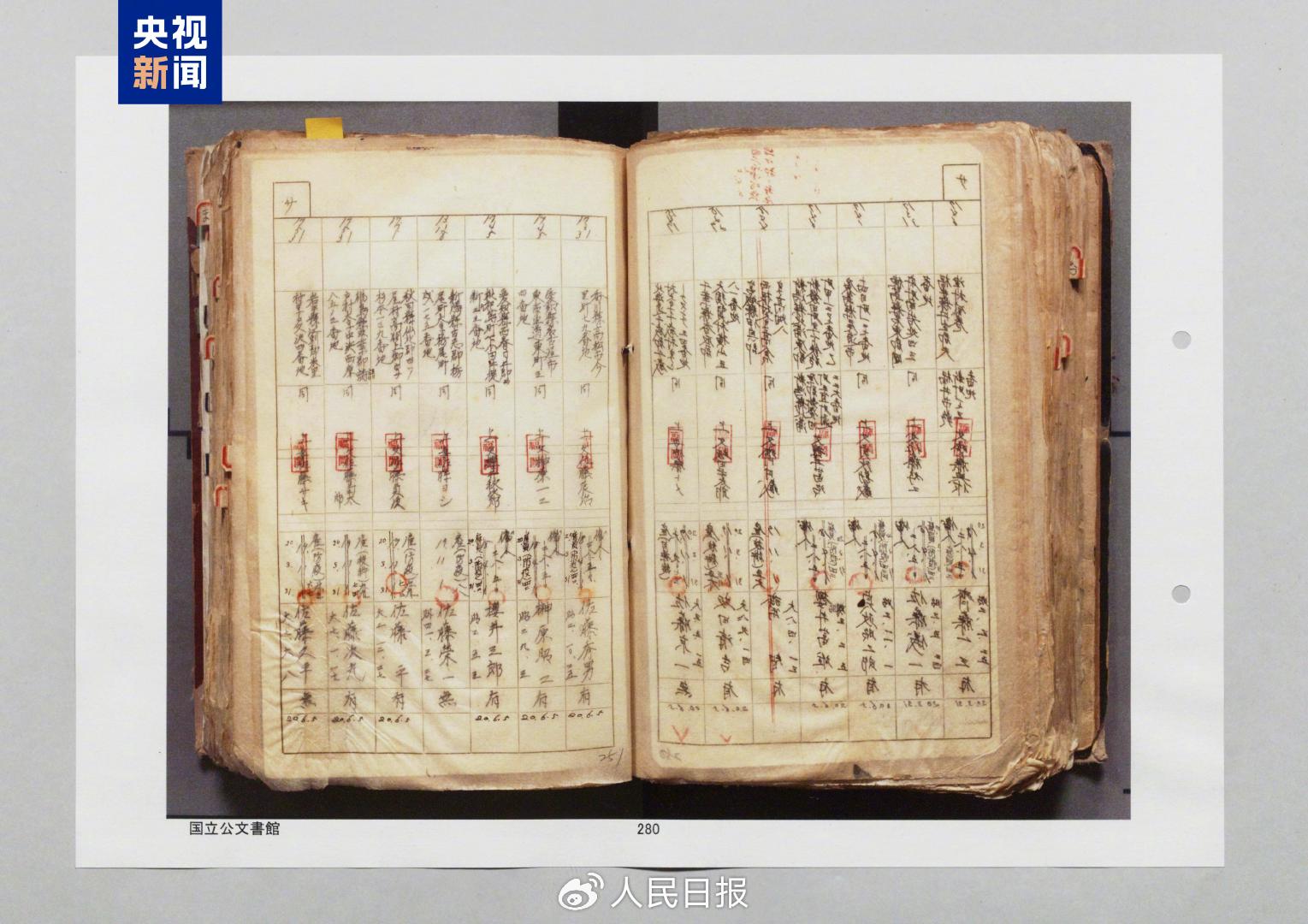
-25℃人体实验 原七三一部队成员证言曝光
Yang Shi Wang· 2025-12-13 20:25
Core Viewpoint - The video testimony of Nishijima Takuo, a member of the Japanese Army's Unit 731, reveals the operational system of biological warfare and human experimentation conducted by the unit during the Second Sino-Japanese War [1][3]. Group 1 - The video, recorded on August 31, 1997, features Nishijima Takuo discussing his involvement in human experiments and biological warfare as part of the meteorological team [3]. - Unit 731 had a dedicated frostbite laboratory, led by Yoshimura Toshito from 1938 to 1945, which conducted experiments on live subjects to gather data on frostbite under various conditions [3]. - A paper published in 1941 by Yoshimura titled "On Frostbite" documented the forced use of live humans for frostbite experiments, detailing the occurrence and pathological changes related to frostbite [3].

俄罗斯公布解密文件
中国基金报· 2025-08-20 09:33
Core Viewpoint - The article reveals the atrocities committed by the Japanese Unit 731 during World War II, including human experimentation and the use of biological weapons against Chinese civilians, as disclosed in recently declassified documents by the Russian Federal Security Service [2][3]. Group 1: Historical Context - The declassified documents indicate that the Japanese military, specifically Unit 731, conducted extensive research on various pathogens to develop biological warfare capabilities, targeting both Soviet and Chinese populations [3][4]. - Over 600,000 Japanese soldiers surrendered to the Soviet Red Army during the conflict in Northeast China, leading to investigations into those involved in biological weapon development [2]. Group 2: Human Experimentation - Unit 731 was responsible for numerous inhumane experiments, including the use of live human subjects to test the effects of diseases such as plague, anthrax, and cholera [3][4]. - The documents detail how Japanese forces used artillery shells filled with pathogens to infect hundreds of Chinese individuals, subsequently collecting data on infection rates to assess the effectiveness of the biological agents [3]. Group 3: Military Strategy - The correspondence from Ivan Dolgikh highlights that Japan had completed significant research on biological warfare methods before launching potential attacks against the Soviet Union from Northeast China [4].