人间烟火

Search documents
走进白居易的冬天
Xin Lang Cai Jing· 2025-12-21 21:43
冬夜宜读诗。若翻开一卷白乐天,便如同推开一扇虚掩的柴门,步入一个被他的目光久久温暖着的、属 于唐朝的冬天。那里不仅有季节的轮转,更有一位诗人对人间冷暖的全部体贴与懂得。 他笔下的冬天,竟能透出春的呼吸。晚年定居北地,他心中盘桓的,依旧是江南。《早冬》里他悠悠写 道:"十月江南天气好,可怜冬景似春华。"在他的记忆里,江南的冬日是宽厚而仁慈的——薄霜如纱, 轻轻覆在犹自萋萋的草叶上,并未夺去那份绿意;暖阳似酒,缓缓晒干开阔沙地上最后一抹潮湿。这哪 里是我们惯常以为的萧瑟?分明是一个生命在安然小憩的静谧庭园。这描写,有地理的实情,更是心境 的倒影。那是一个历经宦海浮沉的老人,对平和岁月最深的眷恋,也是在万物收敛的时节,内心依然为 希望与生机保留的一席之地。读这样的句子,我们触到的不是严寒,而是一道温煦的、抚慰的目光。 (来源:沈阳日报) 转自:沈阳日报 □彭 晃 当然,白居易的冬天,也有其清寂的侧影。那清寂,往往与驿站孤灯、佳节思亲紧紧相连。《邯郸冬至 夜思家》中,他这样落笔:"邯郸驿里逢冬至,抱膝灯前影伴身。"冬至,本该是围炉团圆的时辰,诗人 却独在异乡的客舍,只有灯下自己缩短又拉长的影子相伴。这孤独写得极为具体 ...
广西烟火 | 千年圩场暖旧州
Guang Xi Ri Bao· 2025-05-27 02:33
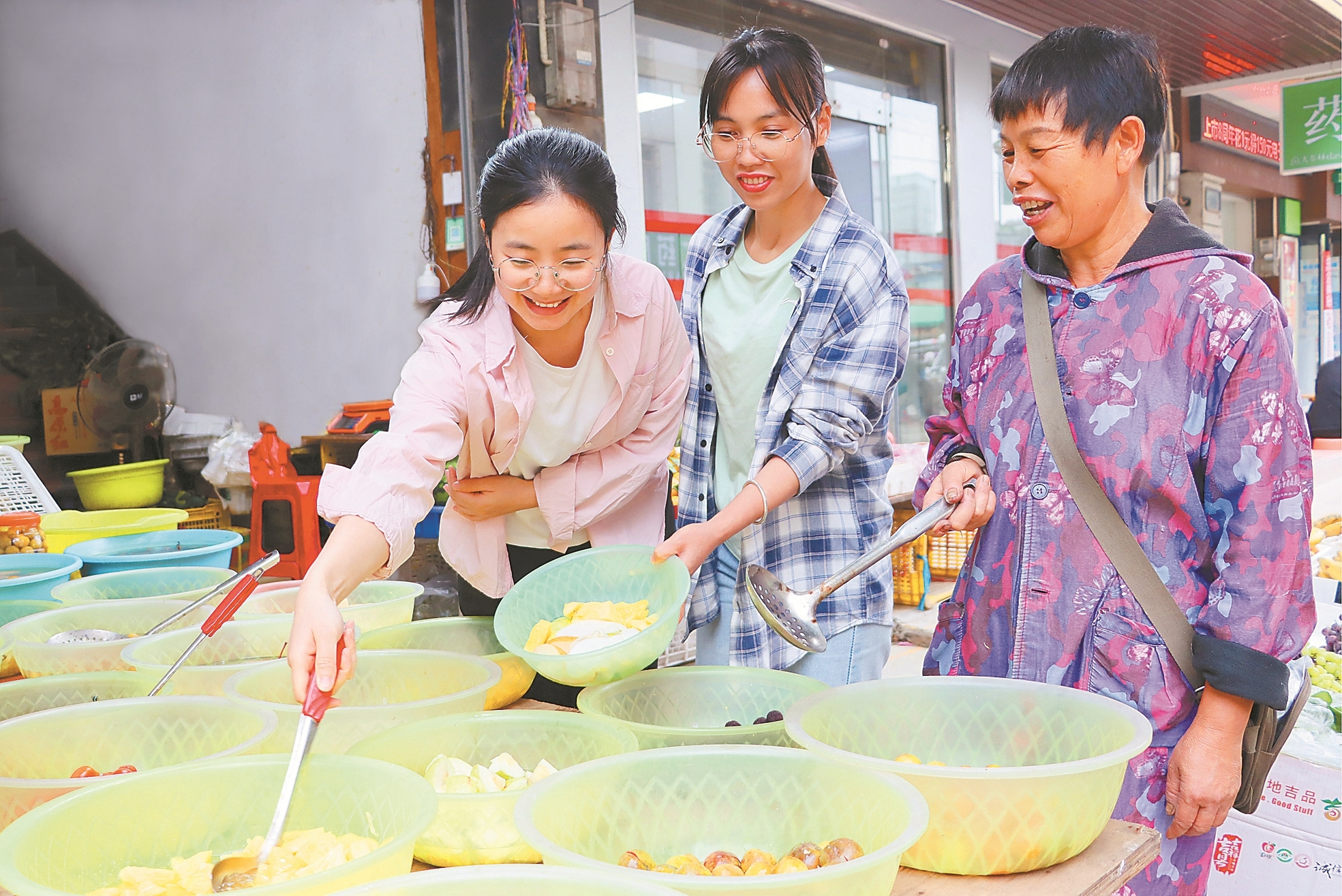
Core Viewpoint - The article highlights the vibrant local culture and community life in the old town of Jiuzhou, particularly during the market day, showcasing the nostalgia and culinary traditions that define the area [6][9]. Group 1: Local Culture and Community - Jiuzhou's market day is characterized by a lively atmosphere, with vendors and locals engaging in a communal experience that reflects the town's heritage [6][7]. - The market features a variety of local foods, including the famous rice noodles served by a long-standing vendor, which have remained a staple for the community over the years [5][6]. - The article emphasizes the importance of tradition and continuity in Jiuzhou, with many residents maintaining their roles and practices despite changes in the broader environment [7][9]. Group 2: Culinary Traditions - The preparation of the rice noodles is described in detail, highlighting the labor-intensive process of making the broth, which is a key element of the dish's appeal [5][6]. - The price of the rice noodles has increased from 0.1 yuan to 3 yuan over the years, reflecting both inflation and the vendor's commitment to keeping prices reasonable for local patrons [6]. - The article notes that the flavors and cooking methods have remained consistent, contributing to the nostalgic experience for returning residents [5][8]. Group 3: Historical Context - Jiuzhou has a rich historical background, with references to ancient structures and the town's evolution over centuries, which adds depth to its cultural identity [8][9]. - The juxtaposition of historical elements with modern developments, such as the construction of the Pinglu Canal, illustrates the town's dynamic nature [8][9]. - The narrative connects personal memories of the market and local life to broader historical themes, emphasizing the enduring significance of community and tradition [7][9].