代理战争

Search documents
一夜防空烧掉8000万!欧洲援乌已显疲态,还要继续砸钱打远程消耗战?
Sou Hu Cai Jing· 2026-02-20 12:08
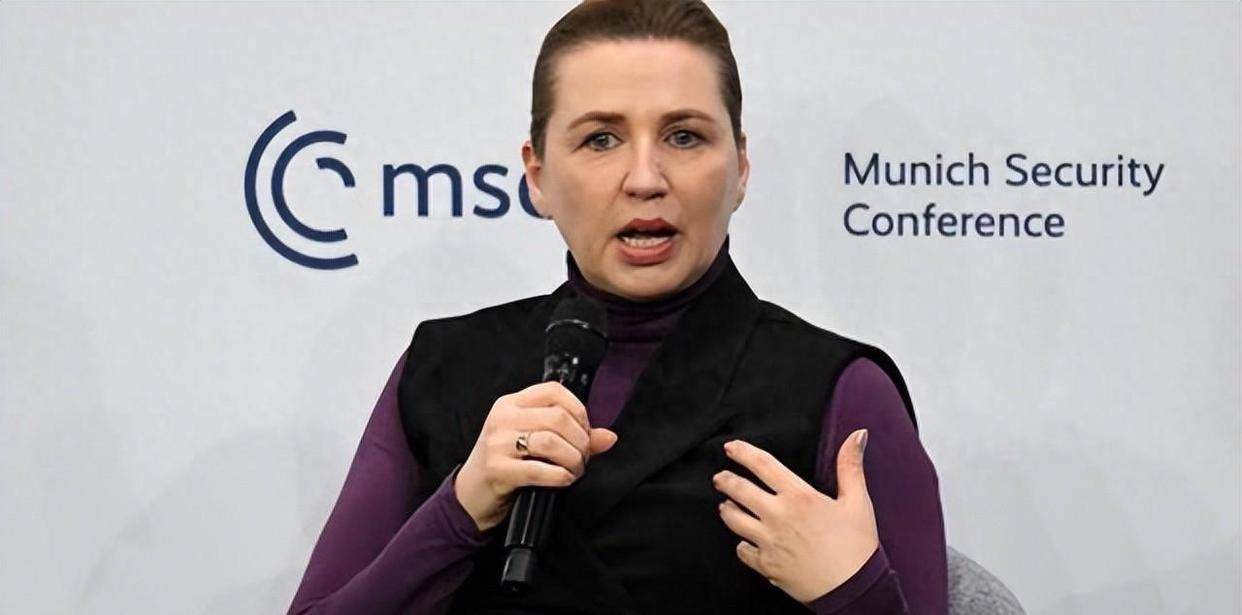
Core Viewpoint - The article discusses the implications of Danish Prime Minister Frederiksen's call for Western countries to lift restrictions on Ukraine's use of long-range missiles against Russia, highlighting the potential risks and strategic miscalculations involved in such a move [1][8]. Military Strategy - The article emphasizes that military success is not determined by who strikes first, but by who can withstand the final blow, noting Ukraine's resilience despite extensive Russian attacks [3]. - It points out that even if Ukraine were to acquire hundreds of long-range missiles, the impact on Russia, which has a vast territory and military capabilities, would be minimal [3][9]. - The cost of offensive operations for Ukraine is highlighted, with a single night of air defense costing around $8 million, indicating the financial strain of a prolonged conflict [9][11]. European Security Dynamics - The article critiques Europe's reliance on the U.S. for security, suggesting that Europe is attempting to test Russia's limits without fully understanding the risks involved [6][12]. - It notes the internal divisions within NATO, where Eastern European countries may favor aggressive actions against Russia, while Western European nations are more cautious [11][12]. - The article warns that escalating military actions could lead to unintended consequences, potentially destabilizing the entire European security framework [5][12]. Economic Considerations - The financial burden of military support for Ukraine is becoming increasingly unsustainable for European nations, with rising domestic costs leading to public discontent [11][12]. - The article argues that Europe lacks the military resources to engage in a comprehensive long-range conflict against Russia, as it struggles to replenish even conventional ammunition stocks [9][11]. Strategic Misalignment - The article suggests that Europe is experiencing a strategic identity crisis, wanting to maintain a rules-based international order while being dependent on Russian energy [8][12]. - It criticizes the emotional decision-making in European politics, where calls for aggressive military action are seen as effective without considering the broader implications [8][14]. - The article concludes that Europe needs to reassess its approach to security, advocating for negotiations and sustainable solutions rather than escalating military tensions [12][14].