以产品力提升为目标的创新

Search documents
问道“出路”:第十届中国汽车动力技术大会的产业思考
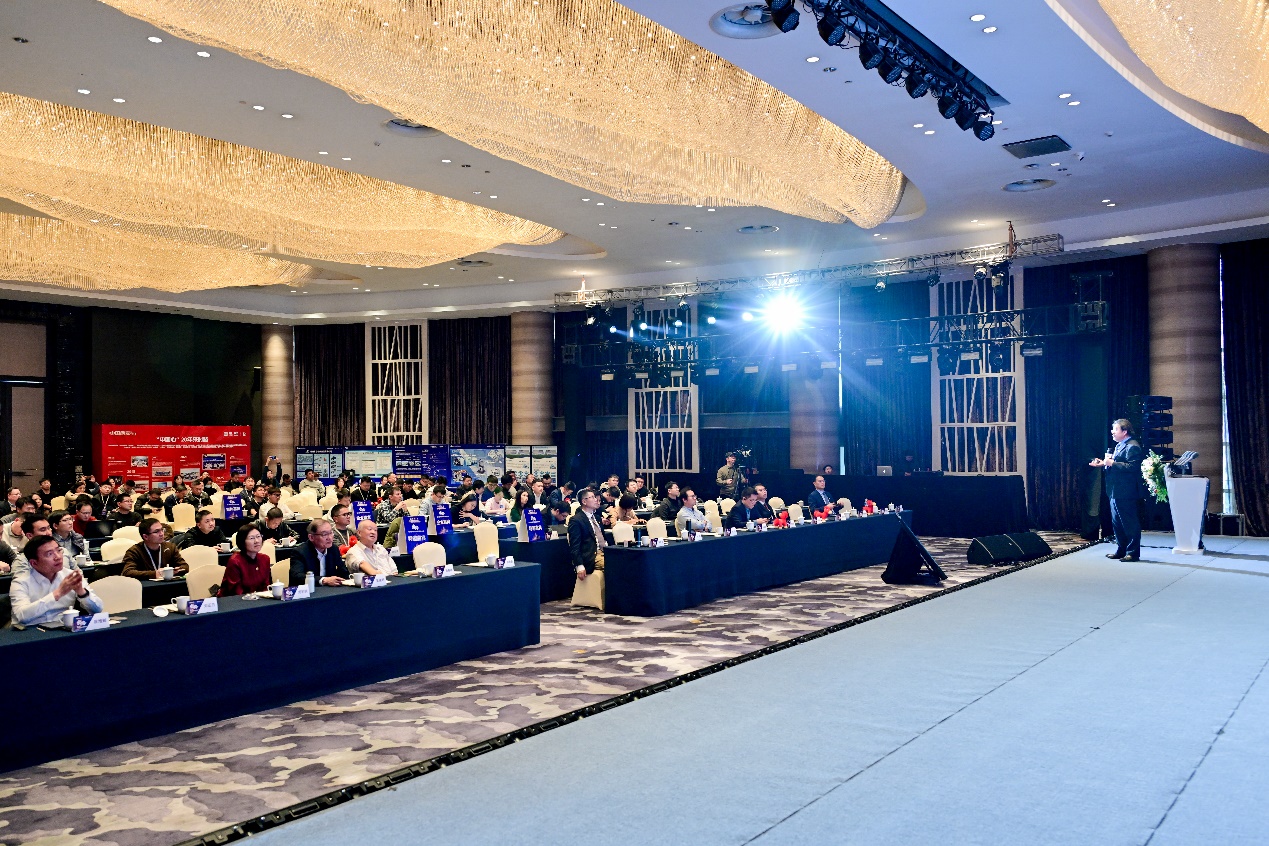
Zhong Guo Qi Che Bao Wang· 2026-01-27 07:11
Core Insights - In 2025, China's automotive market achieved production and sales of 34.53 million and 34.40 million vehicles, marking a year-on-year increase of 10.4% and 9.4% respectively, maintaining its position as the world's largest market for 17 consecutive years [1] - However, concerns about slowing growth momentum have emerged, with predictions for 2026 indicating a production and sales scale of 34.75 million vehicles, representing only a 1% year-on-year increase, and a mere 0.5% growth in passenger vehicles [1] - The new energy vehicle segment is expected to reach 19 million units sold, with a 15.2% year-on-year growth, but this is a significant slowdown compared to the previous year's growth rates of 29% and 28.2% [1] - The industry faces critical questions regarding technological focus and competition strategies, as it stands at a crossroads between breakthrough growth and a shift to slower growth [1] Industry Developments - The 10th China Automotive Power Technology Conference was held in Wuxi, focusing on market changes and technological evolution, with participation from major automotive companies and research institutions [3] - The automotive power technology has transitioned from a focus on economic efficiency to performance evolution and demand adaptation, driven by the need for differentiated innovation [4] - Various companies are exploring unique technological paths based on user scenarios, such as Chery's Kunpeng CDM-O super hybrid system designed for luxury off-road scenarios, showcasing high power and low fuel consumption [6] - Great Wall Motors emphasizes energy-saving scenarios, proposing a mixed power route that balances power performance and energy efficiency [8] - BYD is innovating in the high-end sports car segment with an integrated powertrain solution that addresses common industry challenges [12] - The industry is witnessing a shift towards multi-dimensional power development, with a focus on matching user needs, particularly in the electric and hybrid vehicle markets [14] Technological Innovations - The fifth-generation super range extender system from Seres targets high-end market demands, emphasizing efficiency and quiet operation [16] - NIO is integrating AI technology into its power systems, showcasing advancements in power density and user experience [22] - SAIC-GM-Wuling's Lingxi Power 3.0 technology aims to meet consumer expectations for both economy and performance in family vehicles [24] - The conference highlighted the importance of collaboration between manufacturers and suppliers to build a self-sufficient and low-carbon industry chain [26] - The rise of new energy vehicles is presenting new technical challenges for the parts industry, particularly in fuel stability and compatibility with hybrid systems [28] - The integration of smart manufacturing and software technology is seen as crucial for overcoming technological barriers and achieving self-reliance in key materials [30]