企业上市新规

Search documents
小企业赴美上市难度加大 港交所或成选择
Sou Hu Cai Jing· 2025-09-27 10:51
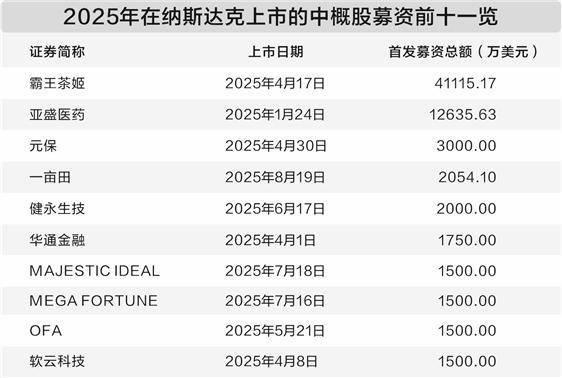
Core Viewpoint - Nasdaq is proposing new regulations that significantly increase the listing requirements for companies, particularly affecting Chinese firms planning to go public in the U.S. [2][3] Group 1: Proposed Listing Standards - The new regulations will raise the minimum public float market value for IPOs to at least $8 million for the global market and $5 million for the capital market, with a unified increase to $15 million for companies listing based on net profit [2][3] - Chinese companies will be required to raise at least $25 million through public offerings during their IPOs [2][4] - The proposed rules will also tighten the delisting procedures for companies that do not meet ongoing listing standards, particularly for Chinese firms [2][4] Group 2: Impact on Chinese Companies - The new regulations are expected to have a significant impact on the enthusiasm of Chinese companies to list in the U.S., especially small and medium-sized enterprises [3][4] - In the current year, 59 companies have gone public on Nasdaq, raising a total of $1.02 billion, with an average fundraising of $17.3 million, indicating that only three companies exceeded the new $25 million threshold [4][5] - The proposed changes are seen as a move to maintain market integrity and protect investors, particularly against potential stock price manipulation [3][5] Group 3: Delisting Pressures - The new rules will introduce immediate delisting conditions for companies that fail to meet ongoing listing requirements, such as maintaining a market value of at least $5 million for ten consecutive trading days [5][6] - Previously, companies were given a grace period to comply with listing standards, but the new regulations may eliminate this buffer, increasing the risk of delisting [5][6] Group 4: Recommendations for Companies - Companies planning to list in the U.S. should prepare in advance by assessing their current stage and potentially accelerating their listing processes [6][7] - For those already listed, it is advised to focus on core business operations, optimize asset structures through mergers and acquisitions, and maintain regular communication with investors [7]

纳斯达克拟推上市新规!影响有多大?
证券时报· 2025-09-27 03:46
Core Viewpoint - Nasdaq is proposing to raise the listing thresholds for companies, which will significantly impact Chinese enterprises planning to go public in the U.S. [1][3] Group 1: Proposed Listing Standards - The new regulations will increase the minimum public float market value for IPOs to at least $8 million for the global market and $5 million for the capital market, with a unified increase to $15 million for companies listing based on net profit [3]. - Chinese companies will be required to raise at least $25 million through public offerings during their IPOs [3]. - The proposed changes aim to maintain market integrity and enhance investor protection, particularly against potential stock price manipulation [3]. Group 2: Impact on Chinese Companies - In the current year, 59 companies have gone public on Nasdaq, raising a total of $1.02 billion, with an average fundraising of $17.3 million; only three companies raised over $25 million [4]. - The new rules will likely have a significant impact on the ability of small Chinese enterprises to list on Nasdaq, as many of these companies have small issuance scales [4]. Group 3: Increased Delisting Pressure - The proposed regulations introduce new conditions that could lead to immediate delisting if a company fails to meet ongoing listing requirements, such as maintaining a market value of at least $5 million for ten consecutive trading days [6]. - Companies that do not meet these conditions will not have a grace period and could face immediate suspension of trading [6]. Group 4: Recommendations for Companies - Companies planning to go public in the U.S. should prepare in advance by assessing their current stage and considering alternative markets, such as the New York Stock Exchange or Hong Kong Stock Exchange, which have less stringent requirements [8][9]. - For companies already listed, it is advised to focus on core business operations, optimize asset structures through mergers and acquisitions, and regularly communicate with investors to ensure compliance with listing standards [9].