会计与财务变革

Search documents
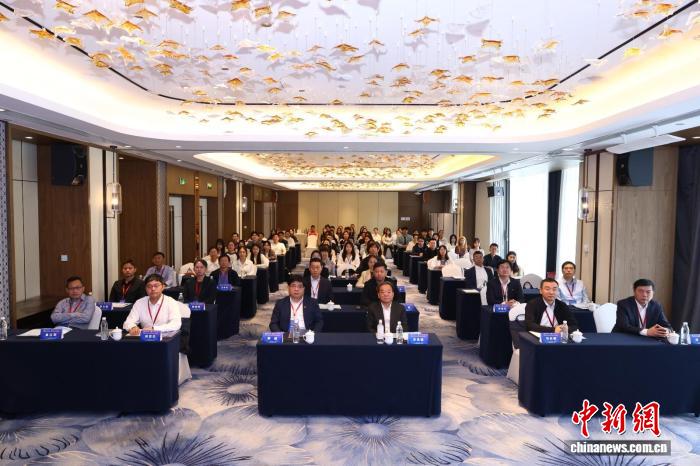
学界专家共议人工智能时代下的会计与财务学科发展
Guo Ji Jin Rong Bao· 2025-10-24 08:17
Core Insights - The conference focused on the transformation of accounting and finance in the era of artificial intelligence, highlighting the need for interdisciplinary approaches and innovative frameworks to adapt to technological advancements [1][2]. Group 1: Educational and Talent Development - Future accounting professionals need to develop a composite skill set that includes data analysis, intelligent decision-making, and strategic thinking, moving beyond traditional knowledge boundaries [1]. - Emphasis on lifelong learning and value-driven education is crucial for students to effectively respond to ongoing technological changes [1]. Group 2: Technological Integration and Practical Frameworks - The concept of "scene precision matching" is identified as key to driving intelligent project transformations, focusing on real business needs and considering factors like ROI, technology adaptability, and human-machine collaboration [1]. - A practical framework of "technology-scenario-value" is proposed to guide enterprises in implementing intelligent finance solutions [1]. Group 3: Institutional Challenges and Innovations - The integration of AI with institutional frameworks is essential to address deep-rooted issues such as financial fraud and audit failures in capital markets [2]. - Research indicates that the growth of the AI industry is reshaping talent demand, particularly increasing opportunities for women, thereby breaking traditional gender discrimination barriers in employment [2]. Group 4: Legal and Social Responsibility - The establishment of smart courts is seen as a mechanism to enhance judicial efficiency and compel companies to improve their ESG performance, linking digital governance with corporate social responsibility [3]. - The research emphasizes the importance of integrating digital technology and legal frameworks to support sustainable development and high-quality growth in enterprises [3]. Group 5: Cultural and Innovative Perspectives - The contemporary value of traditional Chinese culture, particularly merchant culture, is explored for its implications on modern corporate governance and strategic decision-making [3]. - AI technology's application in cultural financial research is highlighted for its potential in extracting and quantifying cultural characteristics, offering new perspectives and methodologies for research in this area [3].
专家学者在沪聚焦人工智能时代的会计与财务变革
Zhong Guo Xin Wen Wang· 2025-10-24 07:35
Core Viewpoint - The integration of artificial intelligence (AI) in accounting and finance is essential for enhancing efficiency while addressing deep-rooted institutional issues such as financial fraud and audit failures in the capital market [1][3]. Group 1: AI and Institutional Innovation - Future accounting research should focus on the synergy between "AI + institutions" to explore how technology can help overcome institutional barriers, providing theoretical support for a more efficient and transparent capital market [1]. - The need for a collaborative approach in accounting education is emphasized, where students develop lifelong learning capabilities and value-driven mindsets to adapt to ongoing technological changes [3]. Group 2: Talent Development and Skills - Future finance and accounting professionals must transcend traditional knowledge boundaries and develop a value creation mindset that integrates technical, business, and commercial logic, alongside skills in data analysis and strategic thinking [3]. - The research indicates that the growth of the AI industry is reshaping talent demand, leading to an increase in gender-friendly job opportunities, thereby breaking traditional gender discrimination barriers in the employment market [4][5]. Group 3: Practical Frameworks for Implementation - A practical framework for advancing intelligent finance is proposed, focusing on "technology-scenario-value" to ensure that real business needs drive the transformation of intelligent projects [3]. - An innovative practice framework called "see, do, write, think" is suggested to encourage breaking cognitive limitations and fostering new forms and methods in research, which can inspire young scholars [5].