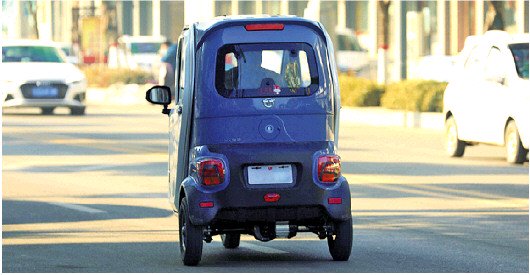
低速电动车管理规范

Search documents
新能源“玛莎拉蒂”只要二万六?警惕“马路新杀手”!
Xin Lang Cai Jing· 2026-01-13 18:49
Core Viewpoint - The rise of low-speed electric vehicles, colloquially known as "老头乐" (Old Man's Joy), is rapidly capturing the market in rural and suburban areas, combining the appearance of luxury cars with low prices, while raising significant safety and regulatory concerns [2][3][4]. Group 1: Market Dynamics - "老头乐" vehicles are marketed as affordable alternatives for elderly transportation, with prices starting from around 26,000 yuan for models resembling luxury cars [2]. - These vehicles can reach lengths of over 4 meters, equipped with 7000-watt motors and capable of speeds up to 70 km/h, which is significantly higher than traditional low-speed vehicles [3]. - The demand for these vehicles is driven by their affordability and ease of use, making them popular among middle-aged and elderly consumers in lower-tier markets [7]. Group 2: Safety and Regulatory Issues - Many "老头乐" vehicles lack proper safety certifications, with some having issues such as faulty brakes and misleading battery specifications, raising concerns about their reliability [4][5]. - The vehicles often operate without licenses, leading to frequent traffic violations such as running red lights and driving against traffic, which poses safety risks, especially in areas near schools [3][4]. - The legal status of "老头乐" is ambiguous, complicating enforcement and regulation, as they do not fit neatly into existing vehicle classifications, leading to challenges in traffic management and accident liability [6][8]. Group 3: Industry Standards and Recommendations - Experts call for clearer regulations and standards for low-speed electric vehicles to address safety and operational concerns, emphasizing the need for a comprehensive framework that defines their classification and usage [7][8]. - The establishment of industry standards by organizations, such as the China Small and Medium Commercial Enterprises Association, aims to enhance production self-discipline and regulatory compliance [7]. - Recommendations include improving consumer awareness regarding the legal status of these vehicles, enhancing safety education for elderly drivers, and exploring alternative transportation solutions for short-distance travel needs [8].

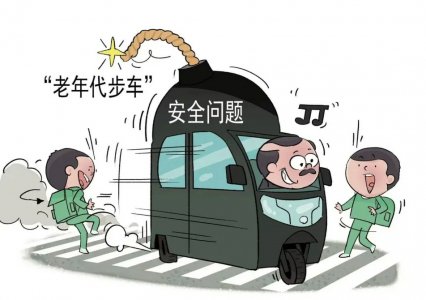
“老头乐”流行,背后难题咋解
Xin Lang Cai Jing· 2026-01-04 16:56
Core Viewpoint - The emergence of low-speed electric vehicles, colloquially known as "old man happiness" (老头乐), is rapidly capturing the market in rural and suburban areas, combining luxury car aesthetics with low pricing, but raises significant safety and regulatory concerns [2][3][4]. Group 1: Market Dynamics - "Old man happiness" vehicles are marketed as affordable alternatives, with prices starting from over 26,000 yuan, featuring spacious designs and high performance, such as a 7000-watt motor and speeds up to 70 km/h [2]. - These vehicles are increasingly popular among middle-aged and elderly users, often seen in towns and cities, despite lacking proper licensing and regulatory oversight [3][4]. Group 2: Safety Concerns - Many of these vehicles do not meet safety standards, with issues such as lack of factory certification, misleading battery specifications, and unreliable braking systems, leading to potential accidents [4][5]. - The majority of drivers are elderly individuals who have not received formal driving training, resulting in frequent traffic violations like running red lights and driving against traffic [4][5]. Group 3: Regulatory Challenges - The classification of "old man happiness" vehicles complicates regulatory enforcement, as they are often marketed as factory transport vehicles rather than compliant passenger cars, leading to legal ambiguities [5][6]. - Recent accidents involving these vehicles have intensified calls for stricter regulations and clearer definitions regarding their use on public roads [4][6]. Group 4: Demand and Policy Recommendations - Despite safety concerns, there is a significant demand for these vehicles in underserved markets, particularly among elderly populations who require affordable transportation options [6][8]. - Experts suggest that instead of outright bans, a balanced regulatory framework should be developed to accommodate the needs of users while ensuring safety and compliance [6][8].