
低速电动车

Search documents
C7驾照谣言背后的民生出行课题
Zhong Guo Jing Ji Wang· 2026-01-16 06:22
Core Viewpoint - The recent rumors regarding the "C7 driver's license pilot" for low-speed electric vehicles have been debunked by multiple traffic management departments, but discussions on the legality and road rights of these vehicles continue to be a pressing issue in China [1][2]. Group 1: Demand and Governance Challenges - There is a significant demand for low-speed electric vehicles in rural and county areas, where they serve as a primary means of transportation due to their convenience and cost-effectiveness [2]. - The governance challenges stem from a dual lack of qualifications: many drivers lack the necessary driving licenses, and most vehicles do not meet safety standards or have proper registration [2]. - The absence of national standards leads to poor manufacturing practices, with many companies producing substandard vehicles that lack essential safety features [2]. Group 2: Traffic Safety Concerns - Low-speed electric vehicles pose traffic safety risks, with common violations such as driving against traffic and running red lights, especially in adverse weather conditions [3]. Group 3: Initial Practices to Address Governance Issues - Various initiatives are being explored to address the governance challenges, including proposals for a specialized driver's license for low-speed electric vehicles and calls for establishing technical standards and road rights distribution [4][5]. - Industry associations are working on creating technical standards to improve safety and quality in the low-speed electric vehicle sector [4]. Group 4: Systematic Governance and Long-term Transformation - A comprehensive governance approach is needed, moving beyond binary "ban or allow" strategies to a system that includes national standards and local flexible implementation [6]. - There is a strong call for the rapid establishment of national mandatory standards to enhance industry regulation and safety [6][7]. - Recommendations include lowering the difficulty of driving tests, ensuring insurance coverage, and creating a closed-loop system where vehicles are qualified, drivers are licensed, and insurance is guaranteed [7]. Group 5: Balancing Demand and Governance - The fundamental solution to the conflict between demand and governance is to prioritize people's needs, recognizing the objective and rigid demand for low-speed vehicles [8]. - It is essential to implement clear and executable policies to manage low-speed electric vehicles effectively, especially in areas where public transport is insufficient [8].
新能源“玛莎拉蒂”只要二万六?警惕“马路新杀手”!
Xin Lang Cai Jing· 2026-01-13 18:49
Core Viewpoint - The rise of low-speed electric vehicles, colloquially known as "老头乐" (Old Man's Joy), is rapidly capturing the market in rural and suburban areas, combining the appearance of luxury cars with low prices, while raising significant safety and regulatory concerns [2][3][4]. Group 1: Market Dynamics - "老头乐" vehicles are marketed as affordable alternatives for elderly transportation, with prices starting from around 26,000 yuan for models resembling luxury cars [2]. - These vehicles can reach lengths of over 4 meters, equipped with 7000-watt motors and capable of speeds up to 70 km/h, which is significantly higher than traditional low-speed vehicles [3]. - The demand for these vehicles is driven by their affordability and ease of use, making them popular among middle-aged and elderly consumers in lower-tier markets [7]. Group 2: Safety and Regulatory Issues - Many "老头乐" vehicles lack proper safety certifications, with some having issues such as faulty brakes and misleading battery specifications, raising concerns about their reliability [4][5]. - The vehicles often operate without licenses, leading to frequent traffic violations such as running red lights and driving against traffic, which poses safety risks, especially in areas near schools [3][4]. - The legal status of "老头乐" is ambiguous, complicating enforcement and regulation, as they do not fit neatly into existing vehicle classifications, leading to challenges in traffic management and accident liability [6][8]. Group 3: Industry Standards and Recommendations - Experts call for clearer regulations and standards for low-speed electric vehicles to address safety and operational concerns, emphasizing the need for a comprehensive framework that defines their classification and usage [7][8]. - The establishment of industry standards by organizations, such as the China Small and Medium Commercial Enterprises Association, aims to enhance production self-discipline and regulatory compliance [7]. - Recommendations include improving consumer awareness regarding the legal status of these vehicles, enhancing safety education for elderly drivers, and exploring alternative transportation solutions for short-distance travel needs [8].

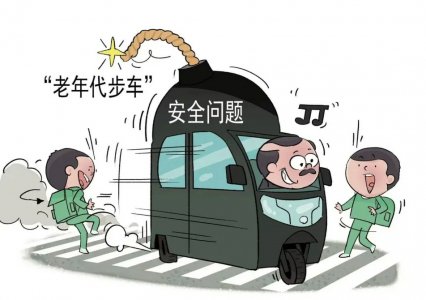
“老头乐”流行,背后难题咋解
Xin Lang Cai Jing· 2026-01-04 16:56
Core Viewpoint - The emergence of low-speed electric vehicles, colloquially known as "old man happiness" (老头乐), is rapidly capturing the market in rural and suburban areas, combining luxury car aesthetics with low pricing, but raises significant safety and regulatory concerns [2][3][4]. Group 1: Market Dynamics - "Old man happiness" vehicles are marketed as affordable alternatives, with prices starting from over 26,000 yuan, featuring spacious designs and high performance, such as a 7000-watt motor and speeds up to 70 km/h [2]. - These vehicles are increasingly popular among middle-aged and elderly users, often seen in towns and cities, despite lacking proper licensing and regulatory oversight [3][4]. Group 2: Safety Concerns - Many of these vehicles do not meet safety standards, with issues such as lack of factory certification, misleading battery specifications, and unreliable braking systems, leading to potential accidents [4][5]. - The majority of drivers are elderly individuals who have not received formal driving training, resulting in frequent traffic violations like running red lights and driving against traffic [4][5]. Group 3: Regulatory Challenges - The classification of "old man happiness" vehicles complicates regulatory enforcement, as they are often marketed as factory transport vehicles rather than compliant passenger cars, leading to legal ambiguities [5][6]. - Recent accidents involving these vehicles have intensified calls for stricter regulations and clearer definitions regarding their use on public roads [4][6]. Group 4: Demand and Policy Recommendations - Despite safety concerns, there is a significant demand for these vehicles in underserved markets, particularly among elderly populations who require affordable transportation options [6][8]. - Experts suggest that instead of outright bans, a balanced regulatory framework should be developed to accommodate the needs of users while ensuring safety and compliance [6][8].
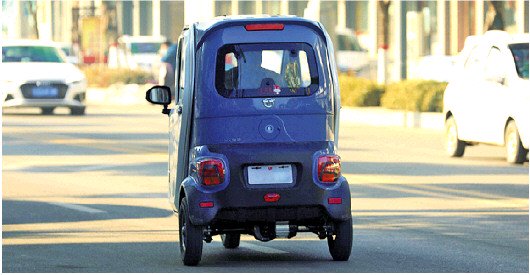
“玛莎拉蒂”2万6!“老头乐”流行 背后难题咋解?
Yang Shi Wang· 2026-01-03 22:16
Core Viewpoint - The rise of low-speed electric vehicles, colloquially known as "老头乐" (Old Man's Joy), is rapidly capturing the market in rural and suburban areas, posing significant regulatory and safety challenges due to their lack of licensing and safety standards [1][2][3]. Group 1: Market Dynamics - "老头乐" vehicles are marketed as affordable alternatives resembling luxury cars, with prices as low as 26,000 yuan for a model likened to a Maserati and over 30,000 yuan for a five-door SUV [1]. - These vehicles are gaining popularity among the elderly, who often do not require a driver's license to operate them, leading to widespread use in various communities [2][3]. Group 2: Safety Concerns - The majority of "老头乐" drivers are elderly individuals who have not undergone formal driving training, resulting in frequent traffic violations such as running red lights and driving against traffic [3][4]. - Incidents involving "老头乐" have led to serious accidents, including a recent case where a driver under the influence caused a fatality, highlighting the urgent need for regulatory oversight [3][4]. Group 3: Regulatory Challenges - "老头乐" vehicles exist in a legal gray area, as they are not classified as either motor vehicles or non-motor vehicles, complicating enforcement and regulation [6][7]. - Current regulations are inconsistent, with some regions implementing outright bans on these vehicles, while others lack clear guidelines for their use [8]. Group 4: Future Considerations - Experts suggest that instead of outright bans, a balanced approach is needed to address the genuine transportation needs of the elderly while ensuring safety [8]. - The industry is calling for clearer standards and regulations to govern the production and use of low-speed electric vehicles, recognizing their role in meeting the mobility needs of an aging population [7][8].
征服北美“最后一公里”后,不缺钱的涛涛车业再冲IPO
Sou Hu Cai Jing· 2025-11-28 08:04
Core Viewpoint - Taotao Automotive's decision to pursue a dual listing in Hong Kong is driven by a desire for a significant "identity value leap," rather than merely seeking capital [2][4][5]. Group 1: Financial Performance - As of Q3 2025, Taotao Automotive reported a cash balance of 1.34 billion, with a debt-to-asset ratio of only 19.6% [4]. - The company achieved a revenue of approximately 1.06 billion, representing a 27.73% year-on-year increase, and a net profit of around 264 million, marking a 121.44% increase [6]. - The gross margin exceeded 40% and net margin surpassed 20% in the first three quarters [5]. Group 2: Market Positioning - The A-share market has labeled Taotao Automotive as a "traditional manufacturer," limiting its valuation narrative, while the Hong Kong market offers a platform for a global consumer revaluation [5][6]. - The company aims to redefine its brand perception from a "Zhejiang small factory" to a significant player in the global smart mobility landscape [9][10]. Group 3: Strategic Focus - Taotao Automotive has focused on the low-speed electric vehicle market, which is often overlooked but represents a substantial structural opportunity [12][26]. - The company has established a strong presence in the North American market, with over 90% of its revenue coming from overseas, particularly 80% from the U.S. [12][19]. Group 4: Product and Market Strategy - The company targets essential consumer needs, with a focus on affordable, low-energy transportation solutions for short-distance travel [15][16]. - Taotao Automotive has identified high-growth niche markets, such as golf carts and community patrol vehicles, which offer higher profit margins and stable customer bases [16][19]. Group 5: Global Manufacturing Strategy - The company is expanding its manufacturing capabilities in North America, Vietnam, and Thailand to enhance its local production capacity [19][24]. - Taotao Automotive's strategy includes a comprehensive localization of its operations, moving from merely exporting products to embedding itself within local markets [19][26]. Group 6: Brand and Value Proposition - The company is transitioning from a low-cost manufacturing model to establishing a brand that commands higher pricing in international markets [21][24]. - Taotao Automotive's efforts reflect a broader trend among Chinese manufacturers to redefine their global market value and brand influence [28][29].

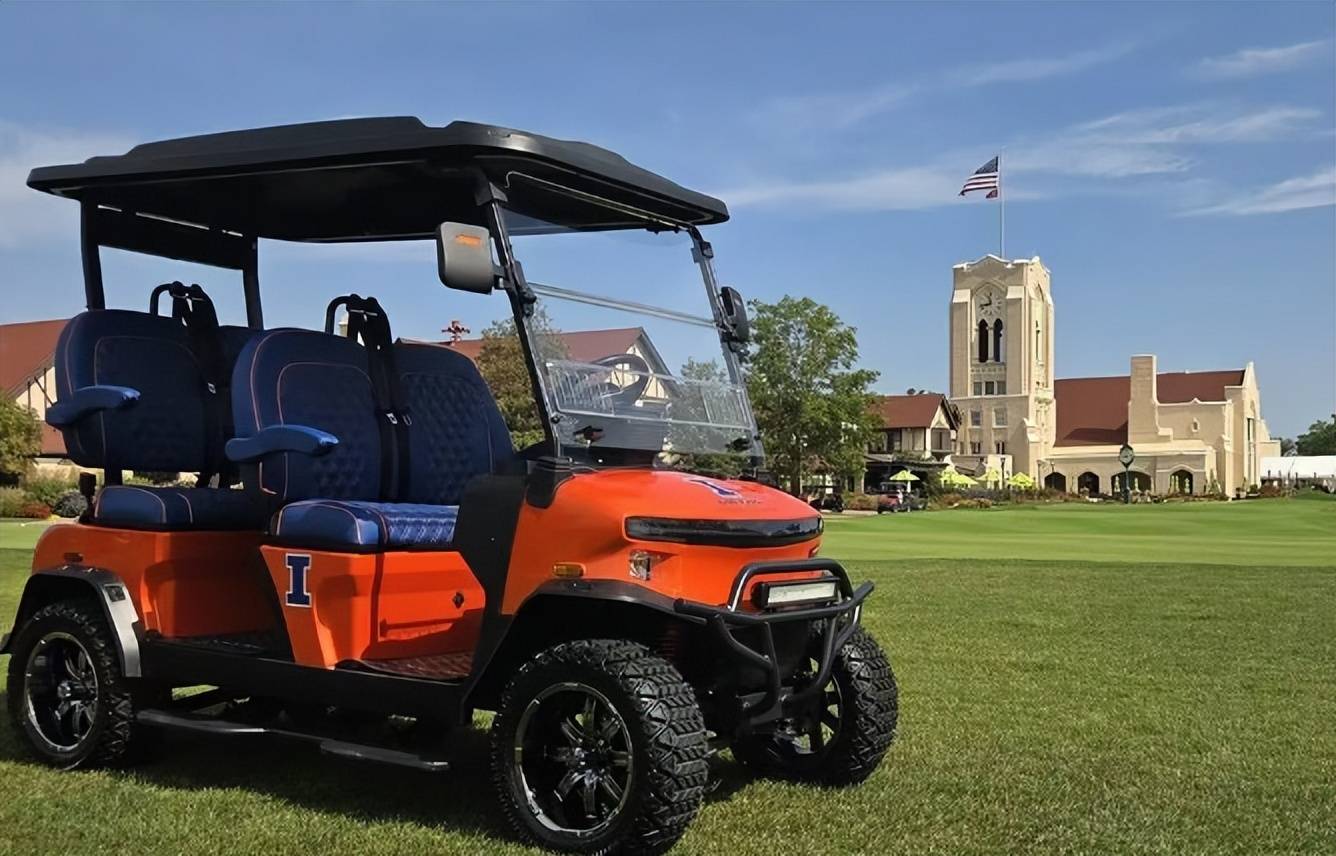
富三代卖“老头乐”杀疯北美!揭秘涛涛车业背后的家族资本局
凤凰网财经· 2025-11-22 06:31
Core Viewpoint - The article discusses the entrepreneurial journey of "TaoTao Vehicle," a company that has rapidly grown in the low-speed electric vehicle industry, particularly in the U.S. market, backed by significant family support and capital from the "Cao family" [1][5]. Group 1: Family Support and Initial Funding - The company was founded with a significant initial investment of 28.5 million from the grandfather, Cao Guicheng, with 27.6 million sourced from the family business, TaoTao Group [7][8]. - The family continued to provide resources, including patents and inventory, to support the new venture [2][3]. Group 2: Financial Growth and IPO - From its establishment in 2015 to 2020, TaoTao Vehicle's revenue surged from 0 to 1.386 billion, and by 2024, it reached 2.977 billion with a net profit of 431 million [3][25]. - The company successfully went public on the Shenzhen Stock Exchange in 2023, raising 2 billion [3][26]. Group 3: Financial Operations and Debt Management - During its rapid growth, TaoTao Vehicle borrowed 107 million from TaoTao Group, which was repaid by the end of 2018, indicating strong family support despite the group's financial struggles [19][20]. - The Cao family employed complex financial maneuvers to manage debts, including transferring bank debts to internal family loans, effectively "erasing" external liabilities [21][24]. Group 4: Recent Developments and Compliance Issues - As of 2025, the company reported a cash reserve of 1.34 billion and a low debt ratio of 19.6%, yet it is pursuing another IPO in Hong Kong, raising questions about its financing motives [26][28]. - The company faced compliance issues regarding export declarations, resulting in a fine of 19,800 due to discrepancies in product specifications [29].

新股前瞻|“A+H”双重上市,涛涛车业(301345.SZ)能否打开资本与增长新空间?
Xin Lang Cai Jing· 2025-11-21 07:45
Core Viewpoint - The company, TaoTao Vehicle, is seeking to list on the Hong Kong Stock Exchange to establish an "A+H" dual capital platform, leveraging its strong position in the global low-speed electric vehicle market and aiming for sustained growth and competitive advantage [1][2]. Business Strategy - TaoTao Vehicle focuses on high-growth segments, including electric mobility products and outdoor specialty vehicles, while strategically avoiding intense domestic competition, with over 99% of its revenue generated from high-value overseas markets, particularly North America [2][3]. - The company has built a robust multi-tiered sales network, partnering with major retailers like Walmart and Amazon, and utilizing a diverse distribution strategy to enhance market penetration [2]. Financial Performance - The company has demonstrated strong revenue growth, with projected revenues of approximately RMB 17.66 billion, RMB 21.44 billion, and RMB 29.77 billion for 2022, 2023, and 2024 respectively, reflecting a year-on-year increase of 38.82% in 2024 [2][3]. - For the first seven months of 2025, the company reported revenue of approximately RMB 20.68 billion, continuing its strong growth trajectory [2]. Profitability - The company's gross margin improved from 35.2% in 2022 to 37.3% in 2023, although it slightly decreased to 34.7% in 2024, before rebounding to 40.2% in the first seven months of 2025, surpassing industry averages [3]. Global Expansion and Production Strategy - TaoTao Vehicle has established a collaborative production capacity across China, Southeast Asia, and North America, enhancing its global manufacturing footprint to support its growth strategy [3]. - The company plans to upgrade its existing production facilities in China and establish new ones overseas to meet the increasing demand for electric mobility and power sports products [4]. Research and Development - The company intends to invest in R&D to innovate core components such as battery packs and motors, and expand its product offerings, including new models in the low-speed vehicle segment and high-value products like panoramic camping vehicles [4]. Shareholder Returns - TaoTao Vehicle has maintained a consistent cash dividend policy, distributing approximately RMB 3.82 billion in dividends from 2022 to 2024, representing about 41.6% of the net profit attributable to shareholders during that period [4]. Governance and Compliance - The dual listing structure will require the company to adhere to stricter regulatory standards in both markets, which is expected to enhance corporate governance and compliance [4].
“A+H”双重上市,涛涛车业能否打开资本与增长新空间?
Zhi Tong Cai Jing· 2025-11-21 06:35
Core Viewpoint - The company TaoTao Automotive is seeking to list on the Hong Kong Stock Exchange to establish an "A+H" dual capital platform, aiming to leverage the unique advantages of Hong Kong's international financial center to attract a broader range of international institutional investors and optimize its capital structure [1] Group 1: Business Strategy and Market Position - TaoTao Automotive holds the second position in the global low-speed electric vehicle market, capturing approximately 8.4% of the market share as of 2024 [2] - The company strategically focuses on high-value overseas markets, with over 99% of its revenue generated from international sales, particularly in North America [1][2] - The company has developed a multi-layered sales network and diversified distribution strategies, partnering with major retailers like Walmart and Amazon to ensure broad market coverage [2] Group 2: Financial Performance - The company has shown robust revenue growth, with revenues of approximately RMB 17.66 billion, RMB 21.44 billion, and RMB 29.77 billion for the years 2022, 2023, and 2024 respectively, marking a year-on-year increase of 38.82% in 2024 [2] - For the first seven months of 2025, the company reported revenues of approximately RMB 20.68 billion, continuing its strong growth trajectory [3] - The company's net profit for 2024 is projected to be around RMB 4.31 billion, reflecting a year-on-year growth of over 50% [2] Group 3: Operational Efficiency and Challenges - The company's gross margin improved from 35.2% in 2022 to 37.3% in 2023, and rebounded to 40.2% in the first seven months of 2025, attributed to its comprehensive supply chain and high self-manufacturing rate of core components [3] - Despite strong growth, the company faces structural challenges, including high dependency on a single market and major customers, with over 90% of its revenue coming from overseas, primarily the U.S. market [4] Group 4: Future Growth and Investment Plans - The funds raised from the H-share listing will be allocated to expanding production capacity, enhancing smart manufacturing infrastructure, and developing new products, including innovative electric vehicles and advanced technologies [6] - The company has entered the humanoid robotics sector through strategic partnerships, aiming to transform technological innovation into long-term value [7] - The dual listing is expected to enhance the company's governance and compliance, ensuring it meets stricter regulatory requirements in both markets [7]
涛涛车业20251022
2025-10-22 14:56
Company and Industry Summary Company: TaoTao Vehicle Industry Key Industry Insights - The electric golf cart business is experiencing rapid growth, with sales in the first three quarters showing a significant year-on-year increase, while sales of balance bikes and scooters have declined [2][4] - The North American low-speed electric vehicle market is seeing rising demand, particularly for golf carts, which are increasingly used for short-distance travel, indicating a large market potential [2][10] Financial Performance Highlights - In Q3 2025, the company reported a net profit increase of 25%, with a return on equity (ROE) of 7.9% for the quarter and a weighted ROE of 18% for the first three quarters, up 121% year-on-year [3] - The gross margin improved to 46%, attributed to price adjustments that covered increased production costs and tariffs from Vietnam [3][17] Production Capacity and Expansion - The company is expanding production capacity in Vietnam, Thailand, and the U.S., aiming for an annual capacity of 80,000 to 100,000 units [2][6] - The U.S. factory has begun local manufacturing with an initial capacity of approximately 1,000 units, with plans for gradual expansion [2][5][7] - The Thai factory is expected to start production in Q2 2026, supporting overall sales growth [2][12] Strategic Initiatives - The company is focusing on brand building through sponsorships and collaborations with celebrities, which has positively impacted brand recognition compared to local competitors [2][11] - Increased R&D investment is planned, particularly in electric low-speed vehicles and smart golf carts, with a gradual entry into robotics manufacturing [2][18] Market Trends and Consumer Behavior - The demand for golf carts is increasing, with more consumers using them for short trips, as evidenced by U.S. Department of Transportation data indicating that short trips constitute a significant portion of total travel [10] - There is a growing trend of consumers purchasing multiple models, indicating a higher sales potential [10] Future Outlook - The company anticipates maintaining high production levels in Q4 2025 to prepare for the peak season in 2026, despite Q4 typically being a slower sales period for golf carts [2][12][20] - The overall sentiment for Q4 performance is optimistic, with factories operating at full capacity to meet demand [20] Additional Considerations - The company is actively managing inventory to address potential supply chain disruptions, particularly in light of trade policy uncertainties [8] - The company is also exploring partnerships with robotics firms to enhance product offerings and market presence [15][16] This summary encapsulates the key points from the conference call, highlighting the company's growth trajectory, strategic initiatives, and market dynamics.
完善行业规范!国内首部四轮低速电动车团体标准发布
Zhong Guo Qi Che Bao Wang· 2025-08-28 06:23
Group 1 - The core viewpoint of the news is the official release of the first group standard for four-wheeled low-speed electric vehicles in China, marking a significant step towards the standardization of the industry [1] - The standard fills a gap in the industry by providing a comprehensive technical framework covering the entire product lifecycle, including definitions, classifications, technical requirements, testing methods, and inspection rules [2] - The standard aims to enhance product quality and safety by establishing production specifications, which will help eliminate substandard products and ensure user safety and durability [4] Group 2 - The long-term significance of the standard lies in its role as a solid practical basis for future national standards, addressing specific aspects such as range-extended vehicle classification and battery management systems [5] - The release of the standard is seen as a milestone for the industry, promoting compliance and transparency while addressing challenges such as standard absence and market disorder [6] - Key industry players, including Hongri Automobile Group, contributed to the standard's development, reflecting a commitment to improving product safety and user experience [10]
