低VOC排放

Search documents
巴斯夫推出低VOC聚氨酯催化剂
Zhong Guo Hua Gong Bao· 2025-12-15 03:09
Core Viewpoint - BASF has introduced a new catalyst product, Lupragen N208, for the production of polyurethane (PU) foam, aimed at reducing volatile organic compound (VOC) emissions in manufacturing processes [1] Group 1: Product Development - The new catalyst integrates firmly into the PU polymer network during foam production, preventing its subsequent release from the foam [1] - Lupragen N208 is designed to meet customer demands for low VOC emissions, particularly in the production of flexible foams for mattresses and furniture, as well as semi-rigid and rigid foams for automotive interiors [1] Group 2: Production and Market Application - The production of Lupragen N208 will take place at BASF's integrated site in Ludwigshafen [1] - The product is suitable for industries that require compliance with low VOC emission standards [1]

行业聚焦:全球汽车印刷油墨市场头部企业份额调研(附Top 5 厂商名单)
QYResearch· 2025-10-15 02:20
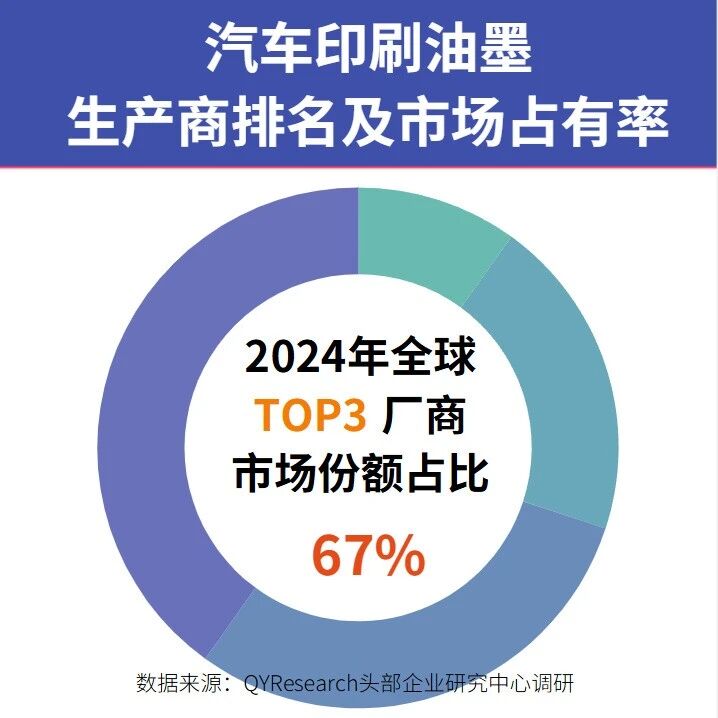
Core Insights - The automotive printing ink market is experiencing stable growth driven by the upgrading of the automotive industry and changing consumer demands, with a projected market size of $692 million by 2030 and a CAGR of 6.2% [4][5]. Market Overview - Automotive printing inks are specialized inks used for marking, decorating, and protecting automotive components, featuring strong weather resistance, high adhesion, excellent abrasion resistance, and chemical resistance [1]. - The market is primarily driven by the trends of electrification, intelligence, and lightweighting in the automotive sector, leading to increased demand for high-performance inks, particularly in terms of weather resistance, adhesion, and environmental performance [2][3]. Key Drivers - The aesthetic upgrade and personalization trends in automotive interior and exterior design are the primary drivers, with modern vehicles treating interiors as a "third living space," necessitating inks that can adhere to complex surfaces and provide diverse visual effects [2]. - The shift towards lightweight materials such as engineering plastics and carbon fiber composites is pushing ink technology innovation, as these new materials present challenges for ink adhesion [3]. - The integration of functional requirements beyond decoration, such as conductivity and durability, is becoming a significant growth engine for automotive inks [3]. Environmental Regulations - Global environmental regulations are increasingly stringent, pushing the ink industry to transition from traditional solvent-based inks to more eco-friendly options like water-based and UV-cured inks [4]. Competitive Landscape - The automotive printing ink market is characterized by a few leading international companies dominating the high-end market, while regional players focus on cost-effective specialized inks [10][12]. - Emerging innovative companies are focusing on 3D printing inks and environmentally friendly solvent inks, aligning with trends in electric vehicles and in-car displays [11]. Industry Chain - The industry chain is divided into upstream (raw materials), midstream (ink formulation and production), and downstream (application and integration in automotive manufacturing) [6][7][8][9]. - Upstream suppliers provide essential chemical raw materials, while midstream focuses on developing formulations that meet stringent automotive standards, and downstream involves the application of inks in various automotive components [6][7][8][9].