功能集成化

Search documents
2022年天猫烘焙厨电行业趋势白皮书
Sou Hu Cai Jing· 2026-02-24 09:49
Core Insights - The Tmall baking kitchen appliance market is undergoing significant changes, driven by the rise of the "stay-at-home economy" and consumer upgrades, with a focus on user experience rather than just functionality [1][3]. Consumer Insights - The primary consumer group for baking kitchen appliances consists of young women aged 18 to 39 with mid-to-high spending power, who prioritize nutritional balance and prefer baking as a cooking method [1][11]. - This demographic seeks appliances that enhance quality of life and offer both fun and practicality, leading to a comprehensive iteration in market supply and marketing strategies [1][3]. Product Trends - The market exhibits a "polarized" landscape, with air fryers dominating sales due to the popularity of mid-range, visual products, while traditional electric ovens face declining demand [2][34]. - New growth engines for electric ovens include multifunctional devices like convection ovens and steam ovens, which integrate air frying and steaming technologies [2][34]. - The "micro-steam-bake" integrated machine is emerging as a high-potential product, with rapid growth despite low current market penetration, as consumers demand compact, smart, and self-cleaning features [2][46]. Marketing Strategies - Marketing strategies are shifting from a product-centric approach to a consumer-centric model, focusing on identifying and educating "seed users" in emerging categories like steam ovens and integrated machines [3][70]. - Scene-based marketing combined with social media is becoming crucial for consumer engagement, as baking evolves into a lifestyle and social topic [3][68]. - Brands need to leverage social media to showcase beautiful baking scenes and share successful cooking experiences to stimulate emotional resonance and purchasing desire [3][68]. Market Dynamics - The Tmall baking kitchen appliance market is entering a new phase driven by consumer demographics and experience innovation, with trends towards functional integration, smart operation, stylish design, and compact size becoming irreversible [3][60]. - Brands that can deeply understand and meet the new generation's comprehensive demands for health, convenience, aesthetics, and enjoyment will gain a competitive edge in this vibrant market [3][60].

行业聚焦:全球汽车印刷油墨市场头部企业份额调研(附Top 5 厂商名单)
QYResearch· 2025-10-15 02:20
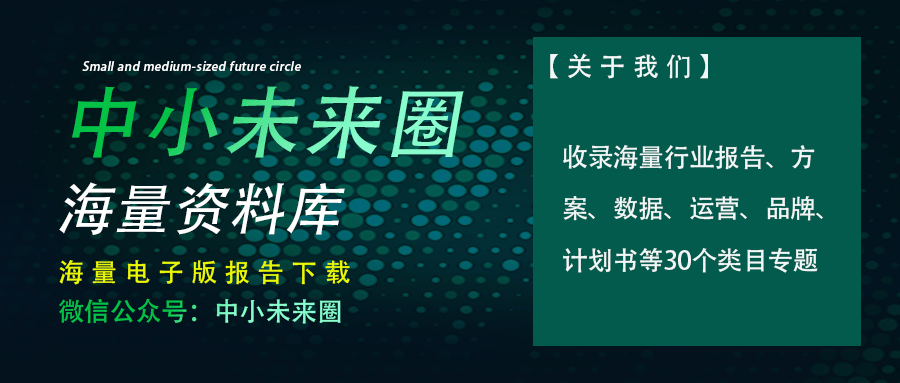
Core Insights - The automotive printing ink market is experiencing stable growth driven by the upgrading of the automotive industry and changing consumer demands, with a projected market size of $692 million by 2030 and a CAGR of 6.2% [4][5]. Market Overview - Automotive printing inks are specialized inks used for marking, decorating, and protecting automotive components, featuring strong weather resistance, high adhesion, excellent abrasion resistance, and chemical resistance [1]. - The market is primarily driven by the trends of electrification, intelligence, and lightweighting in the automotive sector, leading to increased demand for high-performance inks, particularly in terms of weather resistance, adhesion, and environmental performance [2][3]. Key Drivers - The aesthetic upgrade and personalization trends in automotive interior and exterior design are the primary drivers, with modern vehicles treating interiors as a "third living space," necessitating inks that can adhere to complex surfaces and provide diverse visual effects [2]. - The shift towards lightweight materials such as engineering plastics and carbon fiber composites is pushing ink technology innovation, as these new materials present challenges for ink adhesion [3]. - The integration of functional requirements beyond decoration, such as conductivity and durability, is becoming a significant growth engine for automotive inks [3]. Environmental Regulations - Global environmental regulations are increasingly stringent, pushing the ink industry to transition from traditional solvent-based inks to more eco-friendly options like water-based and UV-cured inks [4]. Competitive Landscape - The automotive printing ink market is characterized by a few leading international companies dominating the high-end market, while regional players focus on cost-effective specialized inks [10][12]. - Emerging innovative companies are focusing on 3D printing inks and environmentally friendly solvent inks, aligning with trends in electric vehicles and in-car displays [11]. Industry Chain - The industry chain is divided into upstream (raw materials), midstream (ink formulation and production), and downstream (application and integration in automotive manufacturing) [6][7][8][9]. - Upstream suppliers provide essential chemical raw materials, while midstream focuses on developing formulations that meet stringent automotive standards, and downstream involves the application of inks in various automotive components [6][7][8][9].