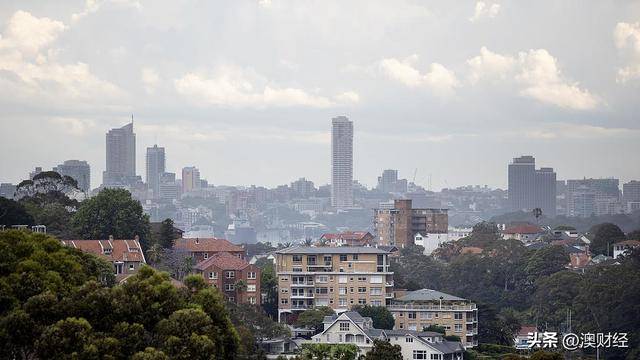
住房供应短缺

Search documents
The White House Hopes More Homebuilding, Easier Mortgage Access Can Boost the Housing Market
Yahoo Finance· 2026-03-18 20:35
Core Insights - The White House aims to improve housing affordability by enhancing access to mortgages and increasing home construction [2][3] - Recent executive orders target mortgage regulation and federal housing regulations to stimulate the housing market [3][8] Housing Affordability - Housing affordability impacts household budgets and inflation, as home prices and rents are significant components of consumer spending [4] - Policies that increase housing supply or expand mortgage access can influence home prices, borrowing costs, and construction activity [4] Home Construction - The executive orders instruct federal regulators to incentivize state and local governments to streamline home construction rules [5] - The National Association of Home Builders emphasizes that the orders address the root of the housing affordability problem by removing barriers to home building [5] Supply and Demand - A Realtor.com study indicates a worsening housing shortage, with over 4 million additional homes needed to meet demand in 2025 [6] - The National Association of Realtors states that the housing affordability crisis is fundamentally a supply issue that requires removing construction barriers [6] Borrowing Costs - High mortgage rates are currently stifling the housing market, making home purchases more expensive and discouraging current homeowners from selling [7] - The White House believes that reducing regulatory burdens for lenders will help lower borrowing costs and encourage more lenders to enter the market [7][8]
悉尼房价飙升,已涨至平均工资13倍!年轻人直呼“买房难”
Sou Hu Cai Jing· 2025-05-27 15:00
Core Insights - The article highlights the severe housing affordability crisis faced by young people in Sydney, where the median price of independent houses has reached 13 times the average salary, marking a significant increase in housing costs over the past decades [1][3]. Housing Affordability - The median house price in Sydney is now approximately AUD 1.34 million, while the average salary is slightly below AUD 103,000, resulting in a ratio of 13 times the annual salary needed to purchase a home [3][10]. - Historical data shows that 50 years ago, the ratio was only 4.2 times the average salary, and it has steadily increased over the decades, reaching 11.1 times by 2015 [3][5]. Price Trends - Over the past 20 years, Sydney's house prices have increased by 171%, with apartment prices rising by 98% during the same period [7][10]. - In comparison, other Australian cities like Melbourne and Brisbane have also seen significant increases, with Melbourne's ratio rising from 3.5 times to 8.4 times and Brisbane from 2.9 times to 8.3 times [5][10]. Supply Shortage - The report indicates a significant shortfall in housing supply, with New South Wales projected to complete only 21,214 new homes in the year leading up to June 2024, which is 17.8% lower than the average of the previous five years [12][14]. - By 2028-29, it is estimated that only 172,900 new homes will be built in Greater Sydney, which is 10.2% lower than the total completions in the previous six years [12]. Economic Impact - The rising housing costs and supply shortages have created unprecedented challenges for the younger generation, making home ownership seem increasingly unattainable [10][12]. - The Australian residential real estate market is now valued at over AUD 11 trillion, approximately five times the total value of the national economy [15]. Generational Concerns - Young individuals, particularly those from Generation Z, express significant anxiety about their ability to purchase homes, with many feeling that they will not be able to afford a house without parental support [15][19]. - The sentiment among young people is one of uncertainty and concern regarding their future housing prospects, with many feeling pressured by the current market conditions [17][19].