
体液渗透压

Search documents
半夜口干舌燥 可能不是缺水!这6种情况一定要警惕
Yang Shi Xin Wen· 2025-10-29 01:37
Core Points - The article discusses the common experience of dry mouth and thirst, emphasizing that it is often due to physiological reasons and not necessarily indicative of health issues [1][3] - It highlights the importance of understanding the triggers of thirst, which can include dehydration from exercise, high salt or sugar levels in the blood, and age-related decline in saliva production [3][4] Summary by Sections Physiological Causes of Dry Mouth - Thirst is primarily triggered by a decrease in body fluid volume and an increase in fluid osmotic pressure [3] - Factors such as heavy exercise, excessive sweating, and insufficient water intake contribute to dehydration [3] - Aging can lead to reduced saliva production due to atrophy of salivary glands [3] Pathological Causes of Persistent Dry Mouth - If adequate hydration does not alleviate dry mouth, it may indicate underlying health issues such as: - Common illnesses like colds, fever, or diarrhea that lead to dehydration [4] - Vitamin deficiencies, particularly B2, which can cause oral dryness and other symptoms [4] - Side effects from medications like clonidine and amitriptyline that affect saliva secretion [4] Serious Health Conditions to Monitor - Six conditions are highlighted that warrant attention if persistent dry mouth occurs: 1. Sjögren's syndrome, an autoimmune disease affecting salivary glands [6] 2. Autoimmune liver diseases that may present with dry mouth and eyes [10] 3. Diabetes, characterized by excessive thirst and urination due to high blood sugar levels [11] 4. Diabetes insipidus, a rare condition leading to fluid imbalance and excessive urination [12] 5. Sleep apnea syndrome, which can cause dry mouth due to snoring and disrupted breathing during sleep [14] 6. Hyperthyroidism, which accelerates metabolism and can lead to increased thirst [16][17] Recommendations for Hydration - To effectively manage dry mouth, it is essential to maintain proper hydration: - The recommended daily water intake for adults is approximately 2500 milliliters, with at least 1500 milliliters coming from direct water consumption [20] - It is advised to drink water regularly throughout the day, rather than waiting until feeling thirsty [21] - Post-exercise hydration should be done gradually rather than in large amounts [22]

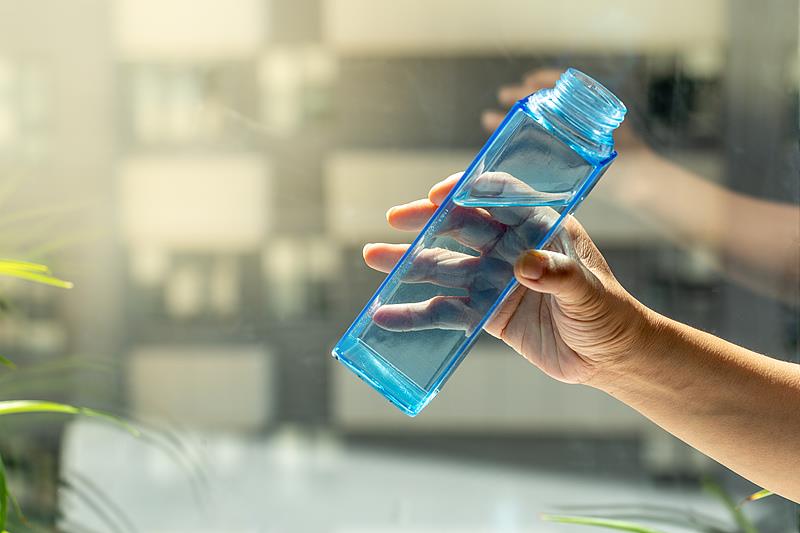
半夜口干舌燥,可能不是缺水!这6种情况一定要警惕
Zhong Guo Xin Wen Wang· 2025-10-29 00:59
Core Insights - The article discusses the common experience of dry mouth and thirst, emphasizing that it is often due to physiological reasons rather than serious health issues. However, persistent dry mouth despite adequate hydration may indicate underlying medical conditions that require attention [1][3]. Physiological Causes of Dry Mouth - Dry mouth is frequently triggered by factors such as reduced body fluid volume and increased osmotic pressure in bodily fluids, which can occur due to excessive sweating, dry environments, or insufficient water intake [3]. - Aging and the resulting decline in bodily functions, particularly the atrophy of salivary glands, can also contribute to the sensation of dry mouth [3]. Medical Conditions to Watch For - **Sjögren's Syndrome**: An autoimmune disease that attacks exocrine glands, leading to dryness in the mouth and eyes, and can result in dental issues due to reduced saliva [8][10]. - **Autoimmune Liver Diseases**: These can cause dry mouth and may be associated with Sjögren's Syndrome [10]. - **Diabetes**: Symptoms include excessive thirst, frequent urination, and unexplained weight loss due to elevated blood sugar levels affecting fluid balance [11]. - **Diabetes Insipidus**: A rare condition leading to significant fluid imbalance and excessive urination, which can cause persistent thirst [12]. - **Sleep Apnea**: Often indicated by snoring, it can lead to dry mouth due to disrupted sleep patterns [13]. - **Hyperthyroidism**: Increased metabolism can lead to symptoms such as excessive thirst and dry mouth [15]. Recommendations for Hydration - It is advised that adults consume approximately 2500 milliliters of water daily, with at least 1500 milliliters coming from direct water intake [16]. - Drinking should be done in small amounts throughout the day rather than waiting until feeling thirsty [17]. - Preference should be given to plain water over sugary drinks, and hydration should be managed carefully after exercise [18].