储能斩杀线

Search documents
第一批低价储能公司,被斩杀了
投资界· 2026-03-23 01:45
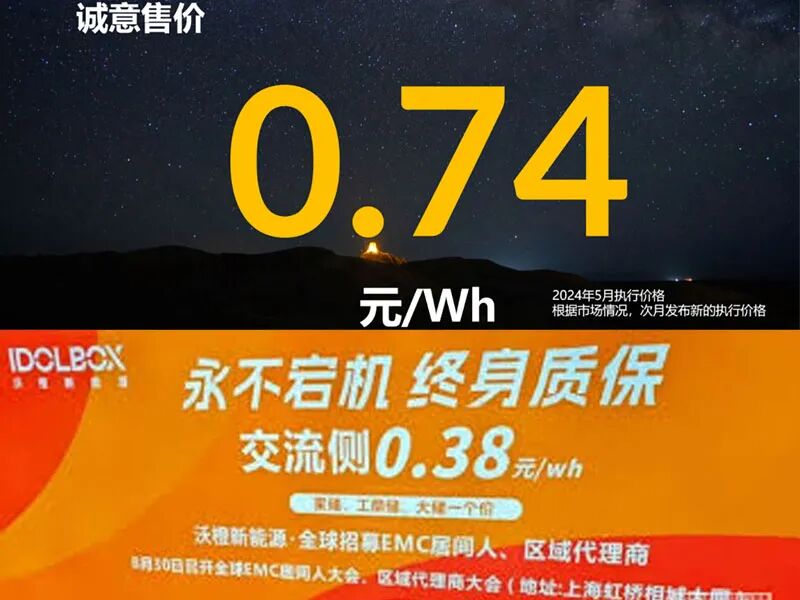
Core Viewpoint - The article discusses the challenges faced by the energy storage industry in China, highlighting the closure of Jiangsu Beiren's energy storage business after three years of losses, signaling a shift from a booming market to a highly competitive and unsustainable environment [4][9]. Industry Overview - The energy storage sector, once considered a "trillion-dollar track," has rapidly transformed from a blue ocean to a red ocean, and now resembles a "dead sea" for many participants [5]. - In 2023, the installed capacity of commercial energy storage surged over threefold, with 50,000 new companies entering the market, averaging 150 new entrants daily [5]. Market Dynamics - A significant price war has emerged, leading to a decline in equipment prices, with many lesser-known manufacturers engaging in aggressive pricing strategies [5][9]. - By mid-2025, many low-cost players began to exit the market, not due to improved conditions but because they were on the brink of collapse [7]. Company Case Study - Jiangsu Beiren's decision to shut down its energy storage business was attributed to intense competition, tightening policy environments, and declining market prices, compounded by customer credit risks and operational instability [9][10]. - The company's revenue from energy storage grew from 11.79 million yuan to 87.72 million yuan between 2023 and 2024, but its gross margin plummeted from 34.62% to 8.83%, indicating severe financial strain [15]. Challenges for Small Players - Small and medium-sized energy storage companies face a "death loop" characterized by high fixed costs, thin profit margins, and weak bargaining power [12]. - The industry’s average gross margin has been compressed to 10%-15%, necessitating annual revenues of at least 100 million yuan to break even [12]. Cash Flow Issues - The energy storage business model often leads to cash flow challenges, as companies invest upfront but face long repayment cycles from clients, who may be reluctant to share savings from energy costs [21][22]. - The cash flow management is critical, with many companies failing not due to operational losses but due to cash flow shortages [23]. Policy and Capital Market Changes - Changes in pricing policies, such as the cancellation of time-of-use electricity pricing, have significantly impacted the economic viability of commercial energy storage projects [24]. - The capital market has become increasingly cautious, with investors demanding thorough due diligence on profitability and cash flow, making it difficult for smaller firms to secure funding [25][26]. Conclusion - The exit of Jiangsu Beiren represents a broader trend of market consolidation, where only companies with core competencies and robust financial management will survive [27][29]. - The energy storage industry is evolving, with a focus on comprehensive capabilities rather than just price competition, emphasizing the importance of technology, reliability, and service [27][28].



第一批卷低价的储能公司,已经被斩杀了
3 6 Ke· 2026-02-06 09:27
Core Insights - The energy storage industry has seen a dramatic decline, with 32,867 companies shutting down in the past three years, indicating a severe market contraction [7][12][48] - Jiangsu Beiren announced a strategic withdrawal from its energy storage business after three years of losses, citing intense competition, tightening policies, and declining market prices as key factors [2][10] - The once-promising commercial energy storage sector, referred to as the "trillion-dollar track," has transformed from a blue ocean to a red ocean, and now resembles a "dead sea" for many participants [4][12] Industry Overview - In 2023, the commercial energy storage sector experienced a surge, with installed capacity increasing more than threefold and 50,000 new companies entering the market, averaging 150 new entrants daily [4][10] - However, this growth was accompanied by a significant decline in equipment prices, leading to fierce price wars that have now subsided as many low-cost players face bankruptcy [6][9] Financial Challenges - Jiangsu Beiren's revenue from energy storage grew from 11.79 million to 87.72 million yuan, but its gross margin plummeted from 34.62% to 8.83%, indicating severe financial strain [20][21] - The industry is characterized by a "three-way death loop" of high fixed costs, thin profit margins, and weak bargaining power, making it difficult for small players to survive [14][16] Market Dynamics - The energy storage market is facing a cash flow crisis, with many companies struggling to collect payments from clients who are reluctant to share savings from energy costs [34][36] - The cancellation of time-of-use electricity pricing policies has undermined the economic viability of many projects, leading to a withdrawal of capital from the market [41][42] Competitive Landscape - The market is increasingly dominated by larger players who can leverage their scale and experience in energy management, leaving smaller companies at a disadvantage [45][46] - The shift in policy and capital dynamics has created a challenging environment for small and mid-sized energy storage firms, many of which lack the core competencies to compete effectively [44][48] Conclusion - The exit of Jiangsu Beiren symbolizes a broader trend of market consolidation, where only companies with strong core competencies and financial stability are likely to survive [48][50] - The energy storage sector is evolving into a more rational market, where competition will be based on comprehensive capabilities rather than just price [49][50]