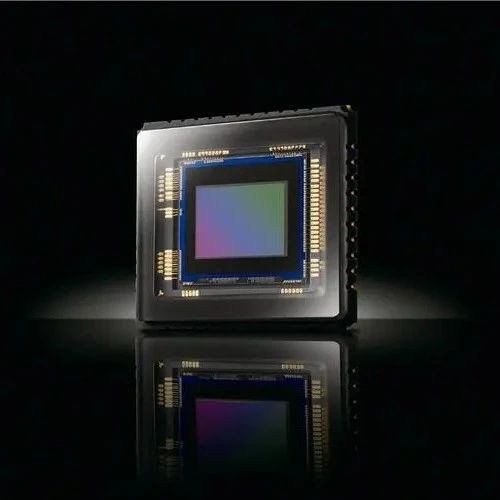
像素小型化

Search documents
未来的传感器技术,三星最新分享
半导体行业观察· 2025-07-21 01:22
Core Viewpoint - The article discusses the advancements in mobile image sensor technology, particularly focusing on Samsung's ISOCELL JNP, which utilizes Nanoprism technology to enhance light sensitivity and image quality in smaller pixel sizes [3][9]. Group 1: Technology Evolution - The evolution of mobile image sensors is closely tied to advancements in pixel technology, with a growing demand for high-quality images from smaller and thinner devices [3]. - Samsung has introduced the ISOCELL JNP, the industry's first sensor to apply Nanoprism technology, which breaks through the physical limits of pixel size [3][9]. Group 2: Challenges in Image Sensor Design - The sensitivity of image sensors is crucial for capturing clear images, and various technologies have been developed to maximize light capture, such as Front Side Illumination (FSI) and Back Side Illumination (BSI) [4]. - As pixel sizes decrease, the sensitivity of individual pixels diminishes, leading to quality issues in low-light conditions [4][11]. Group 3: Nanoprism Technology - Nanoprism technology, introduced in 2017, is based on Meta-Photonics and aims to maximize light dispersion to enhance color separation [5]. - Unlike traditional micro-lens systems that limit light capture to specific colors, Nanoprism allows for increased light reception by guiding light to corresponding pixels through refraction and scattering [7]. Group 4: Commercialization and Implementation - The commercialization of Nanoprism technology in image sensors is challenging, requiring rigorous design and testing processes to ensure reliability and performance [8]. - Special techniques such as Chemical Mechanical Polishing (CMP) and Thermal Desorption Mass Spectrometry (TDMS) have been introduced to facilitate the implementation of Nanoprism structures [8]. Group 5: Performance Improvements - The ISOCELL JNP, equipped with Nanoprism technology, has been mass-produced and is expected to enhance user experience by capturing brighter and clearer images even in poor lighting conditions [9]. - Compared to its predecessor, the ISOCELL JN5, the ISOCELL JNP has improved light sensitivity by 25% [9]. Group 6: Future Directions - The trend towards smaller pixel sizes in mobile devices will continue, necessitating the development of technologies that ensure high sensitivity and noise reduction [11]. - Samsung aims to innovate beyond existing physical limitations with Nanoprism technology, exploring new directions for next-generation image sensor technologies [12].