全球信息产业多极化

Search documents
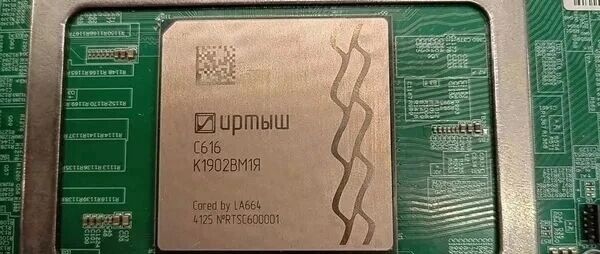
中国龙芯授权,俄罗斯全新CPU首公开!
是说芯语· 2025-12-14 00:22
Core Viewpoint - Russia is developing a new processor named "Irtysh" based on China's LoongArch architecture, aiming for self-sufficiency and independence in technology amidst geopolitical pressures [1][4][22]. Group 1: Processor Development and Market Focus - The Irtysh processor is initially targeted at the server market, with plans to expand into the PC sector and potentially beyond Russia [2]. - The development of Irtysh involves significant investment, although specific amounts have not been disclosed [4]. Group 2: Geopolitical Context and Technology Independence - The need for self-sufficient computing capabilities has become an urgent reality for both China and Russia due to escalating sanctions from the U.S. on high-end chips and related technologies [5][6]. - The reliance on foreign technology has led to challenges for Russia, as seen with the Baikal processor's failure due to dependency on ARM licensing [9]. Group 3: Technical Features and Ecosystem - The Irtysh C616 processor utilizes the LoongArch LA664 core, providing a viable and sustainable technology path for Russia, free from U.S. regulatory constraints [12][13]. - The software ecosystem supporting LoongArch has matured, with various tools and operating systems already in place, enhancing its viability [12]. Group 4: Global Computing Landscape Shift - The emergence of LoongArch signifies a shift towards a multi-polar global computing architecture, moving away from the dominance of x86 and ARM [16]. - The collaboration between China and Russia in adopting LoongArch indicates the formation of a large-scale independent instruction set architecture, challenging Western technological hegemony [16][22]. Group 5: Economic Implications and Strategic Partnerships - The partnership with Tramplin Electronics for the Irtysh processor represents a strategic move for Russia to rebuild its technological framework and for China to expand its instruction set globally [21][22]. - The potential for ongoing revenue through IP licensing and technology services from the Irtysh processor could provide a stable cash flow for Chinese companies involved [21].