全球化产能调度

Search documents
中国汽车从泰国出口欧洲,要“火”?
Zhong Guo Qi Che Bao Wang· 2025-11-13 07:25
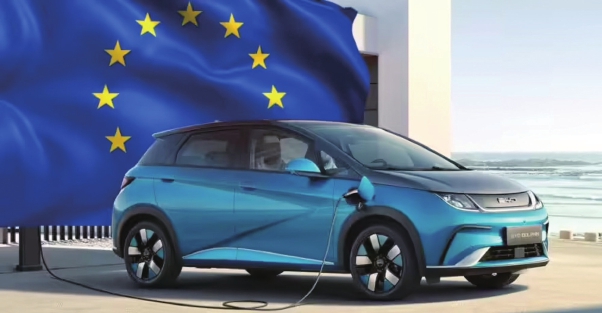
Core Insights - Changan Automobile has announced its strategy to establish a presence in Thailand and serve the local market, launching three new models and planning to export over 1,000 DEEPAL S05 SUVs to Europe by December 2023 [2] - BYD has also begun exporting electric vehicles from its Thai factory to Europe, with over 900 units shipped to countries like the UK, Germany, and Belgium, marking a significant step in its global expansion [2] Export Strategy - Chinese automakers are increasingly choosing to export vehicles from Thailand to Europe to avoid high EU anti-subsidy tariffs, which can reach up to 45.3% for electric vehicles produced in China [2][5] - The EU has imposed a maximum anti-subsidy tax of 35.3% on electric vehicles produced in China since October 2022, prompting companies like BYD, Geely, and SAIC to seek alternative production bases [2][5] Market Performance - Chinese brand vehicles in Europe are experiencing significant growth, with sales expected to reach 90,571 units by September 2025, a 149% increase year-on-year, capturing a market share of 7.4% [3] - MG, BYD, and Chery are leading the sales rankings among Chinese brands in Europe, with MG achieving a 62% year-on-year increase in September sales [3] Production Capacity - Chinese automakers have established substantial production capacity in Thailand, exceeding 600,000 units, which allows them to meet both local and export demands [6][7] - The Thai automotive market is projected to face challenges in 2024, with total new car sales expected to decline by 26%, highlighting the importance of exports for Chinese brands [6][7] Government Support - The Thai government is actively promoting the country as a regional electric vehicle manufacturing hub, offering incentives that encourage Chinese automakers to establish production facilities [8] - Recent adjustments to Thailand's electric vehicle support policies allow locally manufactured electric vehicles intended for export to count towards domestic production quotas, further incentivizing exports [8] Global Strategy - Chinese automakers are adopting a flexible global strategy, allowing them to navigate trade barriers and optimize production resources across different markets [9][10] - The shift from product export to a global brand presence signifies a maturation in the operational capabilities of Chinese automakers, enhancing their competitiveness on the world stage [11]