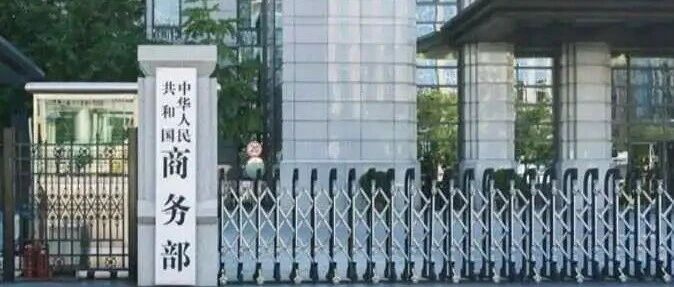
全球贸易和产供链稳定

Search documents
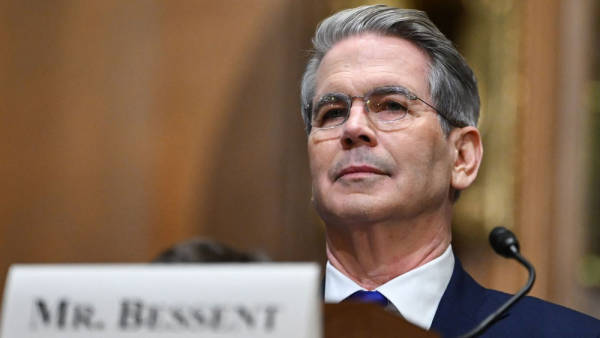
美财长又忽悠:欧洲先对中印动手,美国才跟
Sou Hu Cai Jing· 2025-09-16 01:17
Core Viewpoint - The U.S. Treasury Secretary emphasizes the need for European countries to take greater action in cutting off Russian oil revenues and ending the Russia-Ukraine conflict, suggesting that without European cooperation, U.S. actions will not progress [1][4]. Group 1: U.S. Actions and Statements - The U.S. plans to impose high tariffs on countries like China and India that purchase Russian oil, with the aim of pressuring these nations to stop their purchases [1][5]. - The U.S. Treasury Secretary claims that if Europe imposes high "secondary tariffs" on Russian oil buyers, the war could end within 60 to 90 days due to the loss of revenue for Russia [4][5]. - The U.S. is willing to collaborate with European nations to consider stricter sanctions against Russian oil companies, including Rosneft and Lukoil [4][5]. Group 2: Reactions from China - The Chinese Ministry of Commerce opposes the U.S. using "Russia-related" reasons to impose trade restrictions on China, labeling it as unilateral bullying and economic coercion [1][6]. - China emphasizes the importance of dialogue and negotiation to resolve trade differences and maintain global trade order and supply chain stability [2][6]. - Chinese officials assert that claims of China providing military support to Russia are false and highlight China's efforts in promoting peace talks regarding the Ukraine crisis [8][9]. Group 3: International Relations and Implications - The U.S. is reportedly pressuring the G7 countries to impose significant tariffs on China and India for purchasing Russian oil, aiming to leverage these tariffs to encourage peace negotiations between Russia and Ukraine [5][6]. - The U.S. and India are engaged in ongoing trade negotiations, with both countries expressing a desire to strengthen their partnership amidst these geopolitical tensions [4][5].

美方要求相关方面对华加征关税,商务部回应
第一财经· 2025-09-15 08:53
Core Viewpoint - The Chinese government firmly opposes the imposition of tariffs by the U.S. on China under the pretext of purchasing Russian oil, labeling it as unilateral bullying and economic coercion, which could severely impact global trade and supply chain stability [1]. Group 1 - The U.S. has requested G7 and NATO countries to impose tariffs of 50%-100% on China due to its imports of Russian oil [1]. - The Chinese government emphasizes that such actions violate the consensus reached between the leaders of China and the U.S. [1]. - China is prepared to take all necessary measures to protect its legitimate rights and interests if its interests are harmed by these tariffs [1]. Group 2 - The Chinese government calls for the U.S. to engage in equal dialogue and negotiation to resolve trade differences amicably [1]. - There is a hope expressed for other parties to uphold principles and work with China to maintain the stability of the global trade order and supply chains [1].