公司治理规则

Search documents
“百年鞋企”深陷控制权之争,父子反目后应让规则上位
Mei Ri Jing Ji Xin Wen· 2026-01-05 07:51
Core Viewpoint - The control dispute within the century-old company, Double Star Celebrity Group, has escalated into a public confrontation, with the founder, Wang Hai, severing ties with his son and daughter-in-law, accusing them of betrayal and misconduct [1]. Group 1: Background of the Dispute - The conflict intensified in late 2025, marked by a series of public statements and counter-statements between Wang Hai and his family members [1]. - The root of the dispute lies in a 2022 equity change, where Wang Hai's daughter-in-law, Xu Ying, gained control of 80% of Qingdao Xingmaida, becoming the largest shareholder of Double Star Celebrity Group with a 69.48% stake, while Wang Hai's stake decreased to 21.88% [1]. Group 2: Legal and Governance Implications - The family feud has transitioned from boardroom decisions and legal battles to public accusations, resulting in a detrimental impact on the company's brand image and employee morale [2]. - Wang Hai's declaration to sever familial ties lacks legal validity, as parental rights and obligations cannot be dissolved through a statement, rendering his claims more of a moral declaration than a legal one [3]. - The legitimacy of the board's decision on leadership changes hinges on the legality of the meeting procedures, with the potential for court rulings to either validate or invalidate the changes made by Xu Ying and Wang Jun [3]. Group 3: Control and Governance Issues - Holding the company seal and business license does not equate to legal control of the company; if the court affirms Xu Ying's decisions, Wang Hai's continued possession of these documents could be deemed illegal [4]. - The underlying interests of both parties remain aligned in terms of business growth, suggesting that a resolution through legal channels could be more beneficial than ongoing internal conflict [4].
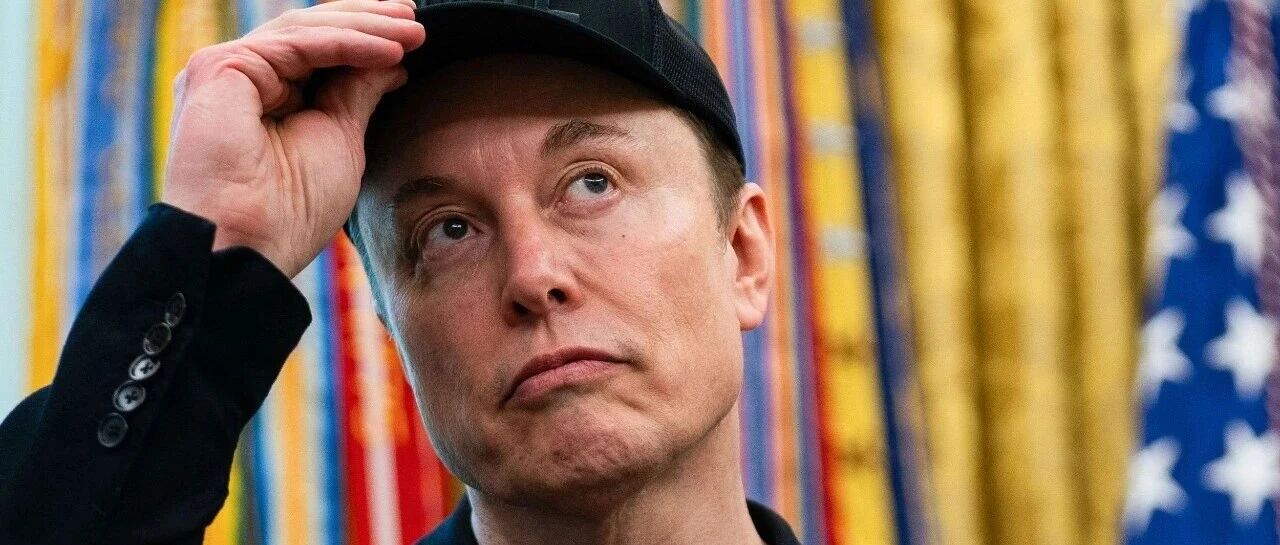
马斯克能否赢得“万亿薪酬”,即将揭晓
第一财经· 2025-11-06 00:02
Core Viewpoint - The article discusses Tesla's upcoming shareholder meeting where a significant proposal regarding CEO Elon Musk's 10-year compensation plan will be voted on, raising questions about traditional corporate governance in relation to Musk's influence over the company [3]. Group 1: Proposal Details - Musk has threatened to resign if shareholders do not approve a compensation plan that could yield him up to $1 trillion, indicating that over 50% of shareholders view Tesla as synonymous with Musk [5]. - The proposal includes ambitious targets such as increasing Tesla's market value to $8.5 trillion and delivering 20 million vehicles, which would allow Musk to control nearly 29% of the company [6]. - As of November 5, approximately 80% of votes have been cast, with over 55% in favor of the proposal [6]. Group 2: Opposition and Concerns - Major shareholders, including CalPERS and Norway's sovereign wealth fund, have raised concerns about the scale of the compensation plan, potential dilution of shares, and increased reliance on Musk, which could undermine shareholder influence [8]. - Analysts note that Tesla's performance has fluctuated with Musk's focus on other ventures, suggesting that leadership risk is a significant factor for investors [8][9]. - If the proposal is rejected, there are fears that Tesla's stock could drop by over 10%, reflecting a lack of confidence in Musk's leadership and creating uncertainty about the company's strategic direction [10]. Group 3: Succession Planning - Tesla must prepare a plan for continued operation without Musk, as the proposal includes a requirement for him to establish an executive succession framework [9][10]. - The board has indicated that if Musk were to leave, they would likely choose an internal candidate to ensure a smooth transition, although no current executive matches Musk's prominence [10].