公民科学

Search documents
他用AI击退癌症
投资界· 2026-03-24 01:01
Core Viewpoint - The article discusses the innovative use of AI in developing a personalized mRNA vaccine for dogs with cancer, highlighting the potential for AI to revolutionize medicine and the future of cancer treatment [3][8][10]. Group 1: The Story of Paul and Rossi - Paul, a 42-year-old Australian entrepreneur and AI engineer, faced a personal crisis when his dog Rossi was diagnosed with cancer [4]. - After traditional treatments failed, Paul turned to AI for help, specifically ChatGPT, which suggested genetic sequencing as a potential solution [5]. - The genetic sequencing of Rossi's tumor revealed significant data, leading to the development of a personalized mRNA vaccine [6][7]. Group 2: The Development of the mRNA Vaccine - The mRNA vaccine was designed to target specific mutations found in Rossi's cancer, marking a significant milestone as the first personalized cancer vaccine for dogs [6][7]. - Despite initial success, the vaccine did not completely cure Rossi, prompting further research and the development of a second vaccine [7]. - The rapid progress in this case has drawn attention from the scientific community, indicating a shift towards citizen science and the democratization of scientific research [9]. Group 3: Implications for Human Medicine - The success of the canine vaccine raises questions about the applicability of similar methods for human cancer treatment, although significant research is still needed [9][10]. - The article emphasizes the transformative potential of AI in drug development, contrasting traditional methods with AI-driven approaches that can significantly reduce time and costs [10]. - The narrative suggests that advancements in AI and mRNA technology could lead to a new era in medicine, where diseases like cancer may be treated more effectively [10][11].


国际最新研究:欧洲莱茵河每年输送多达4700吨垃圾入海
Xin Lang Cai Jing· 2026-01-09 09:24
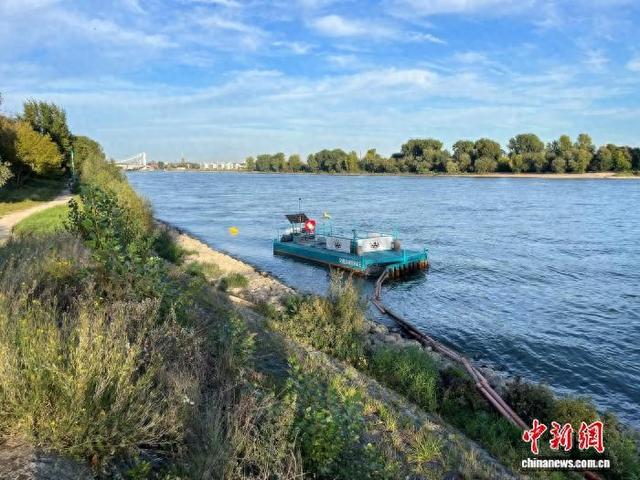
Core Insights - A recent environmental research paper published in the journal "Communications - Sustainability" estimates that the Rhine River transports between 3,010 to 4,707 tons of large debris (pieces larger than 25mm) to the North Sea annually, significantly higher than previous estimates by over 250 times [1][3][6] Group 1: Research Findings - The upper estimate of 4,707 tons is derived from a year-long monitoring project in collaboration with citizen scientists in Cologne, highlighting the importance of long-term physical monitoring for estimating river debris transport [3][5] - The study utilized a floating debris collector that captured both surface and submerged debris up to 80 cm deep, filtering approximately 0.08% of the river's daily flow [5] - Over the year, the collector retrieved 17,523 pieces of debris, weighing about 1,955 kg (excluding water weight), with around 70% of the items being plastic, although they only accounted for 15% of the total weight [5] Group 2: Sources of Debris - The research found that 56% of the collected debris originated from individual consumers, with approximately 28% related to food or beverage items; other significant sources included fireworks (10.7%) and tobacco-related waste (6.5%) [5][6] - The estimated annual plastic debris transported by the Rhine is between 446 to 697 tons, which is 22 to 286 times higher than previous estimates based on single-day observations [6] Group 3: Implications for Citizen Science - The paper emphasizes the role of global citizen science projects in collecting data necessary for monitoring sustainable development goals, suggesting that up to 60% of sustainability indicators relying on household survey data could be supported by citizen science [6]
上海完成第四次“貉口普查”
Jie Fang Ri Bao· 2025-07-23 01:54
Core Insights - The "Raccoon Dog Survey" in Shanghai has shown a significant reduction in the density of raccoon dogs, indicating improved community environments and reduced risks of human-wildlife conflict [2][3] Group 1: Survey Findings - The average density of raccoon dogs in 98 surveyed communities is 0.44 individuals per hectare, and the average encounter rate is 1.06 individuals per kilometer, both significantly lower than the previous year's figures [2] - The 2022 figures were 1.08 individuals per hectare and 2.8 individuals per kilometer, representing decreases of 59.3% and 62.5% respectively [2] Group 2: Future Initiatives - The Shanghai forestry department plans to upgrade the "Raccoon Dog Survey" by involving more children in citizen science activities and developing a group of "permanent observers" in raccoon dog communities [2] - The insights gained from citizen science will help formulate more scientifically sound wildlife protection strategies in Shanghai [3] - The forestry department aims to establish a "carrying capacity" for raccoon dogs in different areas, and if densities exceed set thresholds, community actions will be initiated [3]
34万人热衷的“打鸟”到底有多上头
Xin Jing Bao· 2025-04-28 02:01
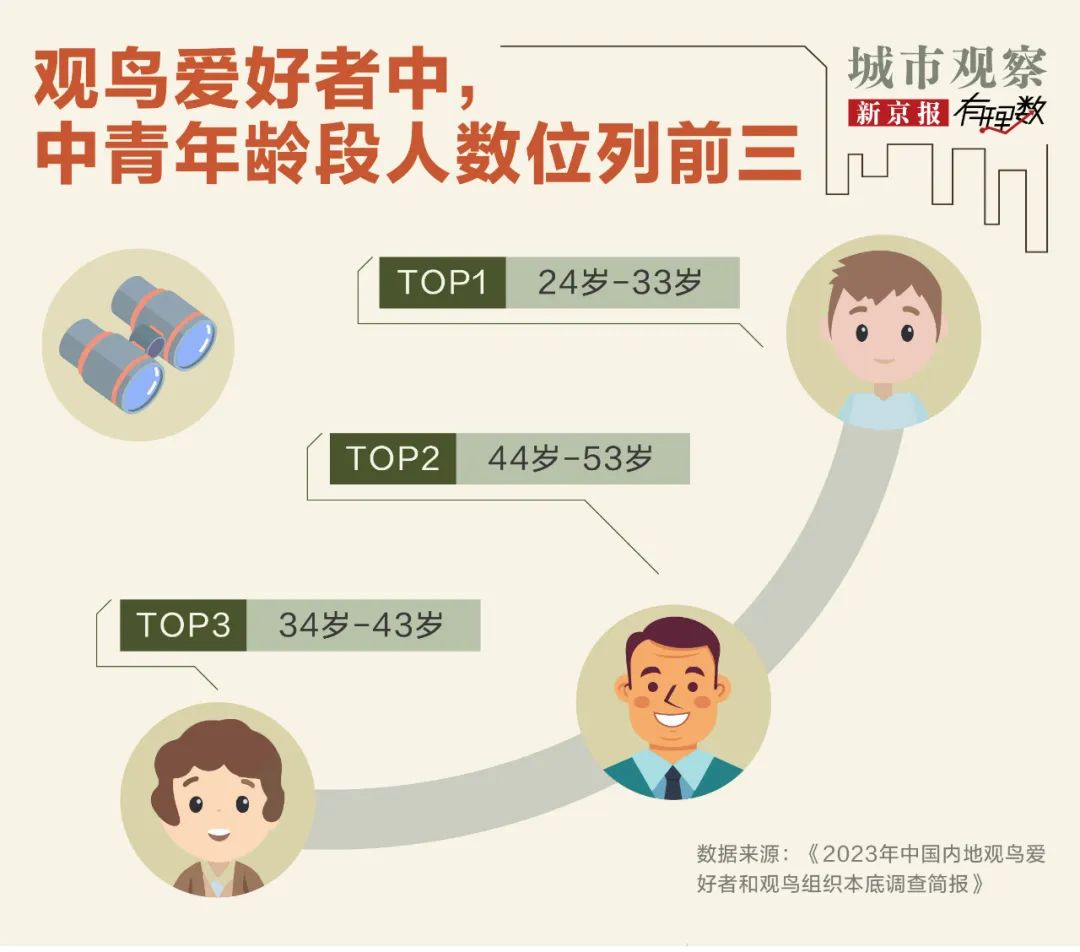
Core Insights - The recent surge in birdwatching interest in China has been highlighted by the appearance of actor Li Xian engaging in bird photography, which has garnered significant public attention and support from the Ministry of Ecology and Environment [1] - A report indicates that the number of birdwatchers in mainland China has increased from 140,000 in 2018 to 340,000 in 2023, representing approximately 2.42% of the national population [2] - The trend shows a younger demographic participating in birdwatching, contrasting with the older age groups typically seen in Western countries [2][4] Growth of Birdwatching Community - The birdwatching community in China has expanded rapidly since its inception in 1996, with various organizations promoting activities nationwide [2] - In 2023, the "Nature Friends Wild Bird Society" conducted 332 bird surveys across 12 parks in Beijing, covering a total distance of 1,740 kilometers [2] - Universities have become significant contributors to birdwatching records, with 12 universities ranking among the top observation sites in 2023 [4] Motivations for Birdwatching - Birdwatchers are drawn to the activity for reasons such as childhood inspiration, appreciation of nature, strong social connections, and relatively low costs [6][7] - The entry barriers for birdwatching are low, requiring minimal investment in equipment like binoculars and cameras, making it accessible to a broader audience [7] Citizen Science and Conservation - Experienced birdwatchers are increasingly involved in citizen science projects, contributing to research and data collection, such as the ongoing breeding bird survey initiated in March 2023 [9] - The participation of birdwatchers in scientific research is beneficial for urban biodiversity studies and ecological development [11] Popular Birdwatching Locations - Major cities like Shanghai, Beijing, Guangdong, and Zhejiang are identified as the hottest birdwatching locations, with Shanghai leading in recorded observations [14][15] - The geographical diversity and ecological conditions of these regions significantly influence bird species distribution, making them prime spots for birdwatching [12] Economic Impact of Birdwatching - The growing interest in birdwatching is being leveraged for tourism, with events like the International Birdwatching Season in Poyang, Jiangxi, attracting over 2 million visitors and generating an estimated revenue of over 500 million yuan [18] - The phenomenon of birdwatching is transforming from a hobby into a significant economic driver, reflecting the dual benefits of ecological conservation and economic development [19]