公用事业改革

Search documents
价改攻坚惠民生 实干担当优环境
Xin Lang Cai Jing· 2026-02-26 23:51
Group 1 - The core viewpoint emphasizes the establishment of a comprehensive price regulation system in Wuhai City, Inner Mongolia, focusing on price mechanism reform to support both public welfare and business environment optimization [1] - Wuhai City has implemented a structural adjustment of natural gas prices for residents and non-residents, becoming the first in the region to establish an upstream and downstream price linkage mechanism, providing a replicable "Wuhai experience" for price reform [1] - From 2022 to 2023, the department initiated a mechanism linking social assistance and price increases, distributing approximately 2 million yuan in subsidies to over 50,000 individuals, covering 100% of key groups affected by rising prices [1] Group 2 - The department conducted a special rectification of illegal enterprise charges in 2022, covering five major areas including transportation and utilities, promoting fee reduction policies directly to businesses [2] - In 2024, the revised parking service fee management regulations were completed, and government pricing standards for parking lots were reapproved, enhancing management levels by learning from other regions' smart parking experiences [2] - A comprehensive "monitoring-reserve-regulation" mechanism was created to stabilize prices and supply of essential goods, including timely warnings for price surges in key commodities like pork and beef, and releasing frozen pork reserves to ensure market stability during holidays [2] Group 3 - The management of funeral service fees was standardized through the issuance of implementation details, proposing 29 measures to regulate charges and protect consumer rights [3] - Adjustments to after-school service fee standards in compulsory education were made to alleviate parental burdens while ensuring service quality through a financial subsidy mechanism [3] - The department follows a rigorous pricing process, including price surveys and expert reviews, to ensure that pricing decisions are practical and protect the rights of consumers and businesses, fostering a transparent pricing environment [3]
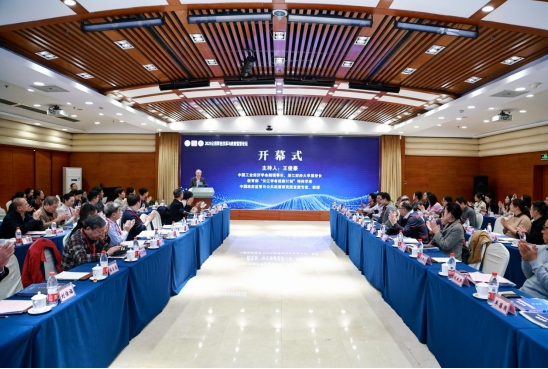
2025公用事业改革与政府监管论坛在京举办
Zhong Guo Jing Ji Wang· 2025-11-19 05:50
Core Insights - The "2025 Public Utility Reform and Government Regulation Forum" was held in Beijing, focusing on the direction of public utility reform and government regulation in China [1][3] - The forum emphasized the importance of equal access to basic public services and the need for a public resource allocation mechanism that matches the resident population [3] - Experts discussed various topics related to public utility regulation, including the challenges in the current regulatory system and the need for innovative approaches in energy systems [4] Group 1 - The forum was co-hosted by several organizations, including Zhejiang University of Finance and Economics and the China Urban Science Research Association [1] - The opening ceremony was led by Professor Wang Junhao, highlighting the significance of the event [1] - The forum attracted over 150 experts, scholars, and industry representatives from the public utility and government regulation sectors [4] Group 2 - Researcher Shi Dan emphasized the need for a coordinated and efficient regulatory framework, addressing issues such as fragmentation and insufficient capacity in the current system [3] - Professor Jiang Bixin discussed optimizing government regulation and enhancing regulatory effectiveness from a legal perspective [3] - Researcher Qiu Baoxing proposed a shift in energy systems from centralized control to a more interactive model, leveraging distributed energy resources [4] Group 3 - Various expert presentations covered topics such as the blind spots in water utility regulation, sustainable urban renewal through regulatory innovation, and the characteristics of real estate brokerage platforms in China [4] - The discussions aimed to explore how standard regulations can enhance the resilience of urban public utilities and the role of artificial intelligence in regulatory innovation [4]