
政府监管

Search documents
5人违规穿越鳌太线3人遇难,救援人员讲述搜救细节:一个规避罚款的决定,彻底断绝了他们获救的希望
Xin Lang Cai Jing· 2026-01-11 10:01
Core Viewpoint - The tragic incident on the Ao-Tai line highlights the dangers of illegal hiking and the consequences of neglecting safety measures in extreme outdoor conditions [1][24]. Group 1: Incident Overview - On January 2, a group of five hikers illegally entered the Ao-Tai line, aiming for a one-day hike, which is known for its challenging terrain and unpredictable weather [6][24]. - The group faced severe weather conditions, including heavy fog and snow, leading to a split in the team and ultimately resulting in three fatalities [10][20]. - The rescue operation began on January 3, but the hikers' decision to put their phones in flight mode hindered rescue efforts [16][18]. Group 2: Causes of the Tragedy - The tragedy was attributed to a combination of ignorance and recklessness, with the group lacking essential survival gear such as tents and sleeping bags [14][20]. - The decision to avoid detection by putting phones in flight mode prevented them from sending distress signals, complicating the rescue efforts [16][18]. - The extreme cold, with nighttime temperatures dropping to around -20 degrees Celsius, was a significant factor in the fatalities [20]. Group 3: Regulatory Context - The Ao-Tai line has been banned for illegal crossings since 2018 due to the high risk of accidents and fatalities [24][29]. - Historical data indicates over 50 fatalities from illegal crossings between 2012 and 2017, raising concerns about environmental damage and safety [26][32]. - Local regulations require that any hiking activities in protected areas must be organized by qualified entities and reported in advance [28][37].


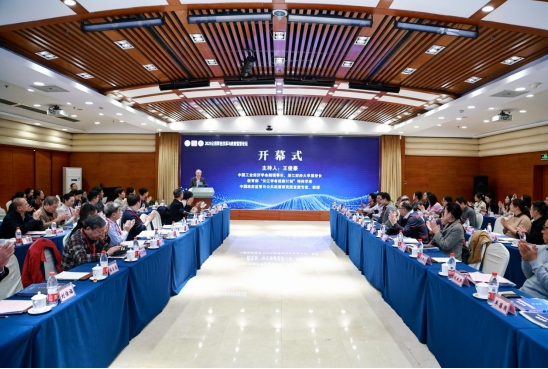
2025公用事业改革与政府监管论坛在京举办
Zhong Guo Jing Ji Wang· 2025-11-19 05:50
Core Insights - The "2025 Public Utility Reform and Government Regulation Forum" was held in Beijing, focusing on the direction of public utility reform and government regulation in China [1][3] - The forum emphasized the importance of equal access to basic public services and the need for a public resource allocation mechanism that matches the resident population [3] - Experts discussed various topics related to public utility regulation, including the challenges in the current regulatory system and the need for innovative approaches in energy systems [4] Group 1 - The forum was co-hosted by several organizations, including Zhejiang University of Finance and Economics and the China Urban Science Research Association [1] - The opening ceremony was led by Professor Wang Junhao, highlighting the significance of the event [1] - The forum attracted over 150 experts, scholars, and industry representatives from the public utility and government regulation sectors [4] Group 2 - Researcher Shi Dan emphasized the need for a coordinated and efficient regulatory framework, addressing issues such as fragmentation and insufficient capacity in the current system [3] - Professor Jiang Bixin discussed optimizing government regulation and enhancing regulatory effectiveness from a legal perspective [3] - Researcher Qiu Baoxing proposed a shift in energy systems from centralized control to a more interactive model, leveraging distributed energy resources [4] Group 3 - Various expert presentations covered topics such as the blind spots in water utility regulation, sustainable urban renewal through regulatory innovation, and the characteristics of real estate brokerage platforms in China [4] - The discussions aimed to explore how standard regulations can enhance the resilience of urban public utilities and the role of artificial intelligence in regulatory innovation [4]
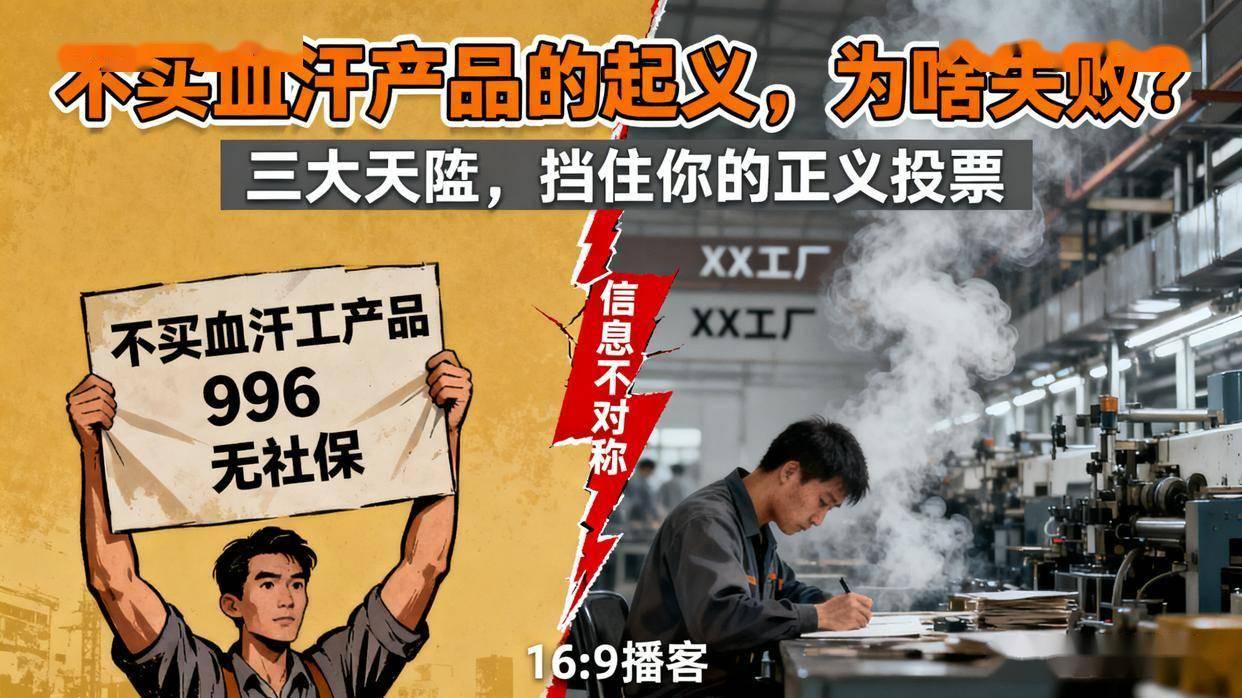
用“不消费”倒逼996企业倒闭?别天真了,这才是劳动者唯一的出路
Sou Hu Cai Jing· 2025-09-28 17:42
Core Viewpoint - The article discusses the challenges of consumer boycotts against "sweatshop" products, highlighting the information gap that consumers face in understanding labor compliance and the systemic issues that prevent effective change in labor rights protection [1] Information Dilemma: The Invisible "Sweatshops" - Consumers struggle to access genuine labor compliance information due to companies' reluctance to disclose sensitive data, often citing business confidentiality [3] - The complexity of supply chains makes it difficult for consumers to trace back to original suppliers, leading to a lack of transparency [3][4] - Different labor regulations across regions and internal management chaos within companies further complicate the situation, making it hard for consumers to make informed ethical choices [4] Reality of Choices: Cost Considerations - Workers prioritize cost-effectiveness in their purchases due to limited incomes and rising living expenses, leading them to seek high-value products [5] - The prevalence of e-commerce and price transparency drives consumers to focus on getting better quality for the same price, reinforcing the importance of cost-performance ratio in their buying decisions [5][6] True Solution: Institutional Transparency - The article emphasizes the need for improved legal frameworks to protect workers' rights, as existing labor laws do not adequately cover new employment forms like gig work [8] - Regulatory bodies are becoming more professional and utilizing big data to monitor compliance, aiming to enhance oversight and reduce violations [9] - The role of labor unions is highlighted as crucial in negotiating better conditions and providing legal support for workers, fostering a more inclusive dialogue in workplaces [9][10]
俄罗斯政府指示煤炭公司限制分红和高管奖金。
news flash· 2025-05-30 10:24
Core Viewpoint - The Russian government has instructed coal companies to limit dividends and executive bonuses to manage financial resources more effectively amid economic challenges [1] Group 1 - The directive aims to ensure that coal companies retain more capital for operational stability and investment [1] - This move reflects the government's response to the current economic climate and the need for resource allocation [1] - The limitation on dividends and bonuses is expected to impact the financial performance and shareholder returns of these companies [1]