内陆沿海化

Search documents
中西部,正在拼命挖运河
虎嗅APP· 2025-03-12 13:50
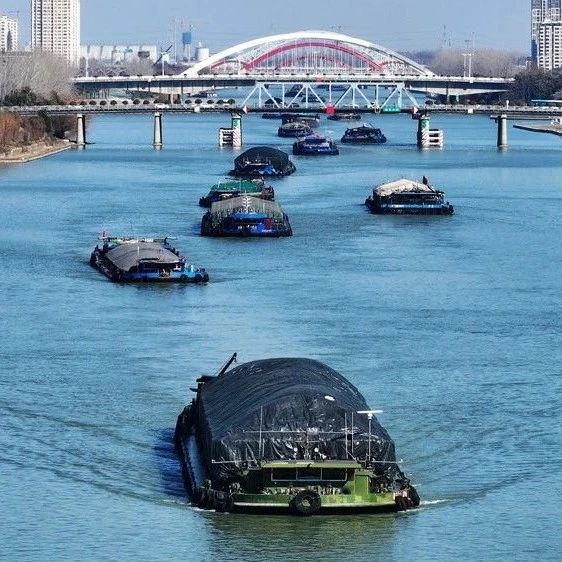
Core Viewpoint - The article discusses the rising trend of artificial canal construction in China's central and western provinces, highlighting significant investments and strategic importance for regional development and logistics efficiency [1][3][15]. Group 1: Provinces Involved in Canal Construction - Multiple provinces, including Anhui, Guangxi, Hunan, Hubei, and Jiangxi, are actively pursuing canal projects, with investments reaching nearly one trillion yuan across the country [1][2]. - The Anhui Jianghuai Canal, with an investment of over 80 billion yuan, has already opened for navigation, while the Guangxi Pinglu Canal, costing around 70 billion yuan, is under construction and expected to be completed by the end of 2026 [2][3]. Group 2: Reasons for Canal Construction - The construction of canals is seen as a means to reshape the transportation landscape, transitioning from reliance on rail and road to water transport, which is more cost-effective and efficient for bulk goods [6][7][12]. - The canals aim to connect major water systems, enhancing logistics capabilities and addressing the high costs associated with land transport in the central and western regions [12][15]. Group 3: Need for National Support - Given the substantial investment required for canal projects, which can exceed hundreds of billions of yuan, local governments are seeking national support to ensure financial viability [20][21]. - Historical examples show that significant infrastructure projects often require central government backing to be feasible, as local fiscal capacities are limited [23][24]. Group 4: Competitive Dynamics Among Provinces - The competition among provinces to secure funding and approval for canal projects is intense, with the potential for inclusion in the national planning process significantly impacting project timelines and funding opportunities [28][30]. - The strategic value of these canals varies by province, with some regions poised to benefit more than others, leading to a "province versus province" dynamic in securing investment and support [40].