
军事申根区

Search documents
普京称欧洲为小猪,不到24小时,欧洲议会通过军事申根区
Sou Hu Cai Jing· 2025-12-22 09:54
Group 1 - The core message of the article highlights the escalating tensions between Russia and Europe, particularly in the context of military and economic strategies amid the ongoing Ukraine conflict [1][3][13] - Russian President Putin's remarks at the annual defense meeting emphasize a strong military stance and criticize European leaders for their alignment with the U.S., framing them as opportunistic [5][7][11] - The European Parliament's swift approval of a resolution to establish a military Schengen zone reflects a significant consensus within Europe to enhance military mobility and readiness against potential Russian aggression [1][12][11] Group 2 - The military Schengen zone aims to eliminate internal border restrictions within the EU, facilitating rapid cross-border movement of troops and military assets, with a budget increase to €17 billion planned for military mobility [12][11] - The resolution includes specific requirements for establishing a military mobility working group, streamlining processes, and setting deployment timelines, indicating a serious commitment to military integration [12][11] - The ongoing geopolitical dynamics involve not only Russia and Europe but also the U.S., with implications for territorial sovereignty, energy interests, and security frameworks, complicating the negotiation landscape [13][15][16] Group 3 - The article discusses the deep-rooted security concerns between Russia and Europe, with Russia perceiving NATO's eastward expansion as a threat, while Europe views Russian military actions as destabilizing [15][16] - The economic confrontation is highlighted by the EU's freezing of approximately €210 billion in Russian assets, with ongoing debates about utilizing these funds for Ukraine, amidst legal and internal disagreements [16] - The military Schengen zone initiative adds a new dimension to the existing military confrontation, further exacerbating the trend of decoupling between Russia and Europe [16]

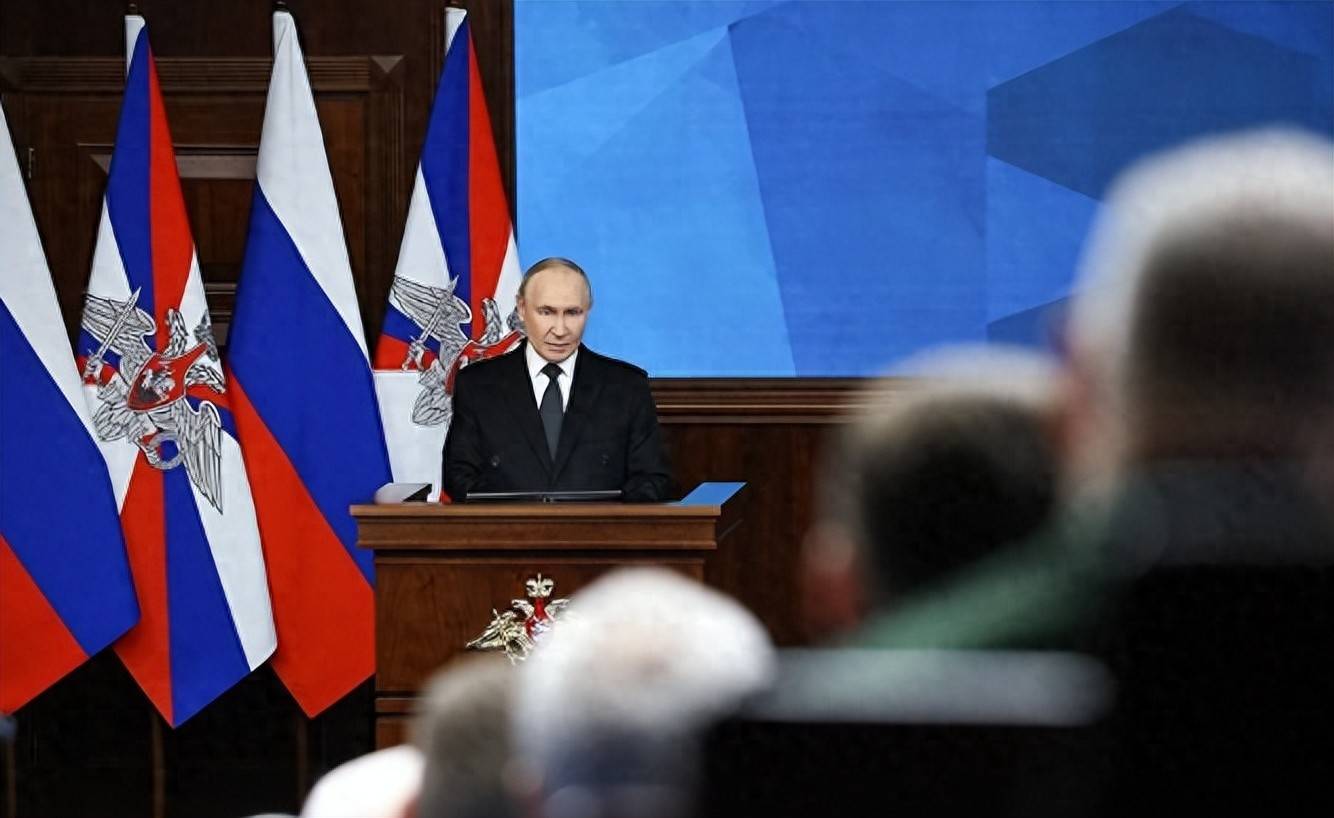
普京称欧洲为“小猪”,不到24小时,欧洲议会通过“军事申根区”
Sou Hu Cai Jing· 2025-12-20 16:10
Core Viewpoint - The recent statements by Russian President Putin, labeling European leaders as "little pigs," reflect a growing tension between Russia and Europe, prompting Europe to accelerate military preparations in response to the ongoing Ukraine conflict [3][6][8]. Group 1: Military Developments - The European Parliament voted overwhelmingly (493 in favor, 127 against, 38 abstentions) to support the establishment of a "military Schengen zone," aimed at enhancing military mobility within the EU [3][5]. - The initiative is a direct response to the urgent need for military maneuverability amid the ongoing Russia-Ukraine conflict, with the goal of addressing potential threats from Russia [5][13]. - The plan includes increasing the military mobility budget to €17 billion by 2027 and improving transportation infrastructure to facilitate rapid troop and equipment movement [15][17]. Group 2: Strategic Implications - Putin's remarks serve as a dual strategic signal, showcasing Russia's military capabilities while also indicating a willingness to negotiate under stringent conditions, including territorial concessions from Ukraine [10][12]. - The establishment of the military Schengen zone is seen as a critical measure for Europe to navigate its security dilemmas, balancing reliance on NATO with a desire for defense autonomy [13][17]. - The decision to advance military integration within the EU is also a response to the complex geopolitical dynamics involving the U.S., Russia, and Ukraine, highlighting the deep-rooted tensions between Russia and Europe [21][26]. Group 3: Economic and Energy Context - The EU has frozen approximately €210 billion of Russian assets since the onset of the conflict, with discussions ongoing about using these funds to support Ukraine [23][24]. - The energy conflict remains a significant issue, as Europe seeks to reduce its dependency on Russian energy while facing rising costs and industrial challenges [24][26]. - The military Schengen zone's establishment adds a new dimension to the ongoing economic and energy disputes between Russia and Europe, further exacerbating the trend of decoupling [24][28].

欧盟发布新规划 推动建立“军事申根区”
Xin Hua She· 2025-11-19 13:38
Core Viewpoint - The European Commission has introduced a new military mobility regulation and a defense industry transformation roadmap aimed at enhancing the EU's cross-border military capabilities and modernizing its defense industry, with a goal to establish a military mobility area across the EU by 2027, moving closer to the creation of a "military Schengen zone" [1] Group 1 - The new regulation is designed to improve the movement of EU armed forces, equipment, and military assets across member states [1] - The initiative aims to accelerate the modernization of the defense industry within the EU [1] - The establishment of a military mobility area is targeted for completion by 2027 [1]