
俄欧博弈

Search documents
普京称欧洲为小猪,不到24小时,欧洲议会通过军事申根区
Sou Hu Cai Jing· 2025-12-22 09:54
Group 1 - The core message of the article highlights the escalating tensions between Russia and Europe, particularly in the context of military and economic strategies amid the ongoing Ukraine conflict [1][3][13] - Russian President Putin's remarks at the annual defense meeting emphasize a strong military stance and criticize European leaders for their alignment with the U.S., framing them as opportunistic [5][7][11] - The European Parliament's swift approval of a resolution to establish a military Schengen zone reflects a significant consensus within Europe to enhance military mobility and readiness against potential Russian aggression [1][12][11] Group 2 - The military Schengen zone aims to eliminate internal border restrictions within the EU, facilitating rapid cross-border movement of troops and military assets, with a budget increase to €17 billion planned for military mobility [12][11] - The resolution includes specific requirements for establishing a military mobility working group, streamlining processes, and setting deployment timelines, indicating a serious commitment to military integration [12][11] - The ongoing geopolitical dynamics involve not only Russia and Europe but also the U.S., with implications for territorial sovereignty, energy interests, and security frameworks, complicating the negotiation landscape [13][15][16] Group 3 - The article discusses the deep-rooted security concerns between Russia and Europe, with Russia perceiving NATO's eastward expansion as a threat, while Europe views Russian military actions as destabilizing [15][16] - The economic confrontation is highlighted by the EU's freezing of approximately €210 billion in Russian assets, with ongoing debates about utilizing these funds for Ukraine, amidst legal and internal disagreements [16] - The military Schengen zone initiative adds a new dimension to the existing military confrontation, further exacerbating the trend of decoupling between Russia and Europe [16]

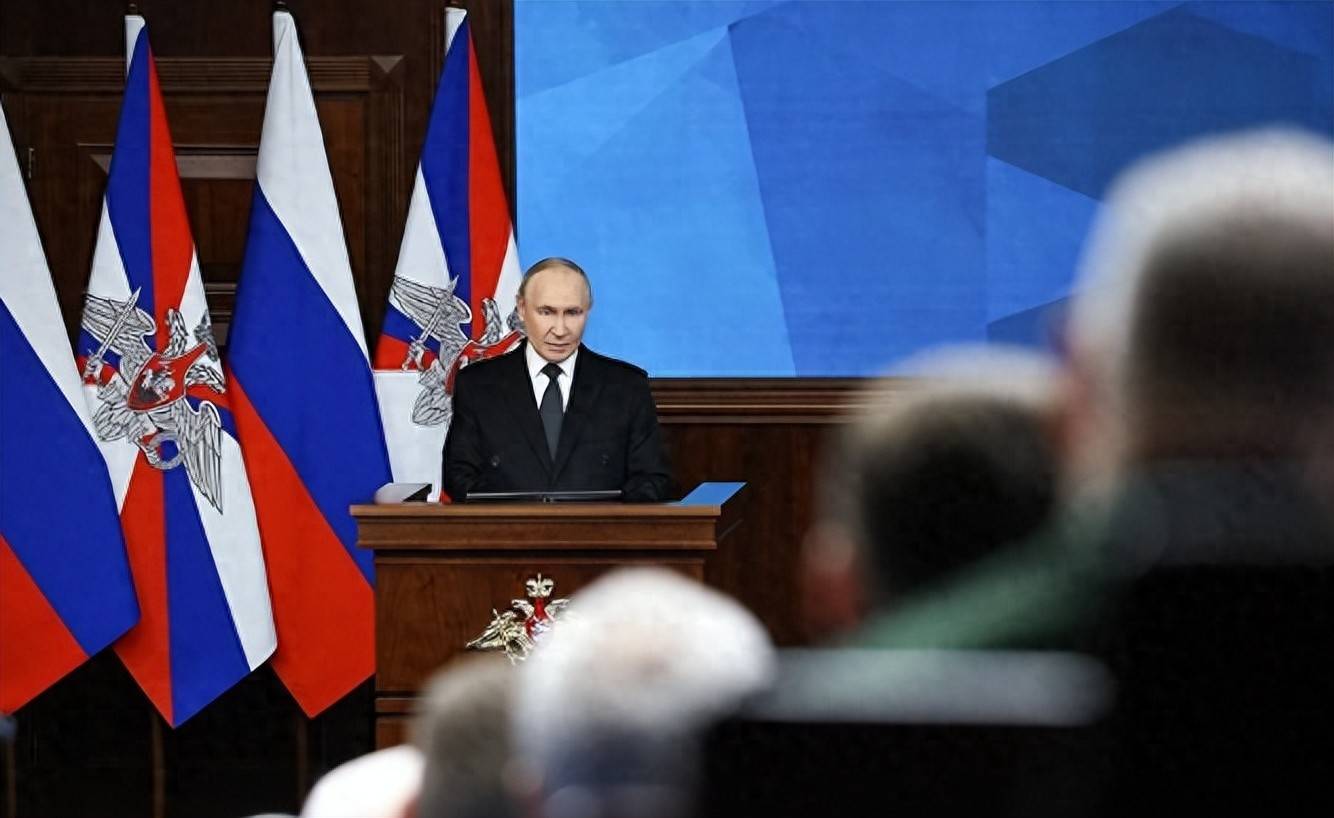
普京放话闪电战:欧洲敢接招吗?
Sou Hu Cai Jing· 2025-12-03 23:11
Core Viewpoint - The tension between Russia and Europe has reached a peak, with Putin's declaration of a "lightning war" serving as both a warning and a strategic maneuver against European reliance on the U.S. [1][3] Military Preparedness - Russia's military readiness is underscored by the "West-2024" military exercises, where missile units demonstrated rapid deployment capabilities, termed "battlefield instant mobility" by foreign media [3] - The Russian defense industry is experiencing a surge, with two military companies projected to see a 23% increase in revenue in 2024, and tank production is operating at full capacity [3] Energy Dynamics - Despite a significant reduction in gas exports to Europe, Russia maintains control over energy supplies to Southern Europe through the "TurkStream" pipeline, while energy exports to Asia have stabilized domestic conditions [3] - Russian citizens have not faced increases in gas prices, and pensions have been raised by 5.5%, contributing to Putin's stable approval ratings above 80% [3] European Internal Divisions - The EU is experiencing internal strife regarding support for Ukraine, with only half of the promised €50 billion in aid delivered, and significant dissent among Eastern European nations [5] - Germany's attempts to ease relations with Russia are met with criticism from Eastern European countries, while France's actions contradict its calls for European strategic autonomy [5] U.S. Involvement - The U.S. is benefiting from the situation, with a 38% increase in arms exports to Europe projected for 2024, and European reliance on U.S. LNG has doubled since 2021 [8] - The ongoing conflict has positioned the U.S. as a significant arms supplier, with companies like Lockheed Martin seeing increased demand for military equipment [8] Long-term Challenges - Despite the resilience of the Russian military-industrial complex, Western sanctions are causing technological challenges, particularly in the semiconductor sector [8] - The conflict is expected to be a prolonged struggle, with the potential for Europe to either continue as a U.S. ally or seek a more independent approach in negotiations with Russia [8]
