军工人才培养

Search documents
美国彻底绝望,歼35研发团队平均年龄30出头,美军工人才青黄不接
Sou Hu Cai Jing· 2025-09-22 07:21
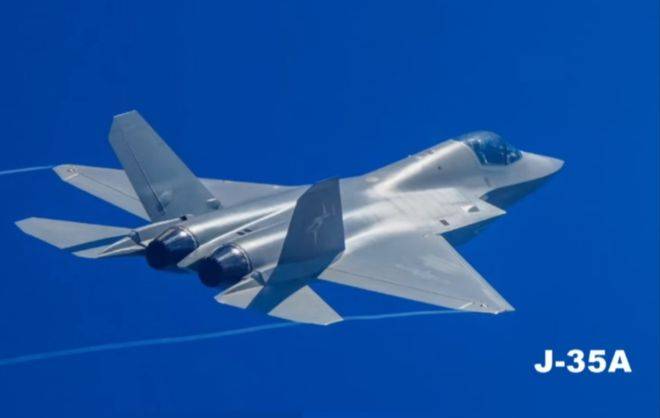
Group 1 - The core point of the article highlights the significant age advantage of China's military research teams, particularly the J-35A development team, which has an average age in the early 30s, indicating a strong potential for innovation over the next 40 years [1] - China's military projects, such as the Tiangong space station and Beidou navigation system, also feature young research teams with average ages between 30 and 40, showcasing a robust talent reserve [1] - In contrast, the U.S. military industry is facing a severe talent crisis, with a report from RAND Corporation revealing a continuous loss of technical talent in the aerospace sector and a lack of interest from the younger generation in military industries [1][3] Group 2 - The average age of the U.S. aerospace team is reported to be 53 years, which is a full generation older than their Chinese counterparts, contributing to the stagnation of U.S. military development [1] - U.S. military companies, exemplified by Lockheed Martin, are experiencing a dual challenge of a retirement wave and difficulties in recruitment, leading to a gap in critical technical positions [3] - Boeing's recruitment policies, which have deviated from professional requirements under the leadership of a former Indian CEO, have resulted in the hiring of inadequately qualified engineers, potentially explaining the increase in aircraft accidents in recent years [3] Group 3 - China's well-established young talent cultivation mechanism within its military system is emerging as a key factor in challenging the dominance of the U.S. military industry [5] - The energetic research teams not only represent the current state of China's military capabilities but also signal a promising future for its military industry [5]