农村人口迁移

Search documents
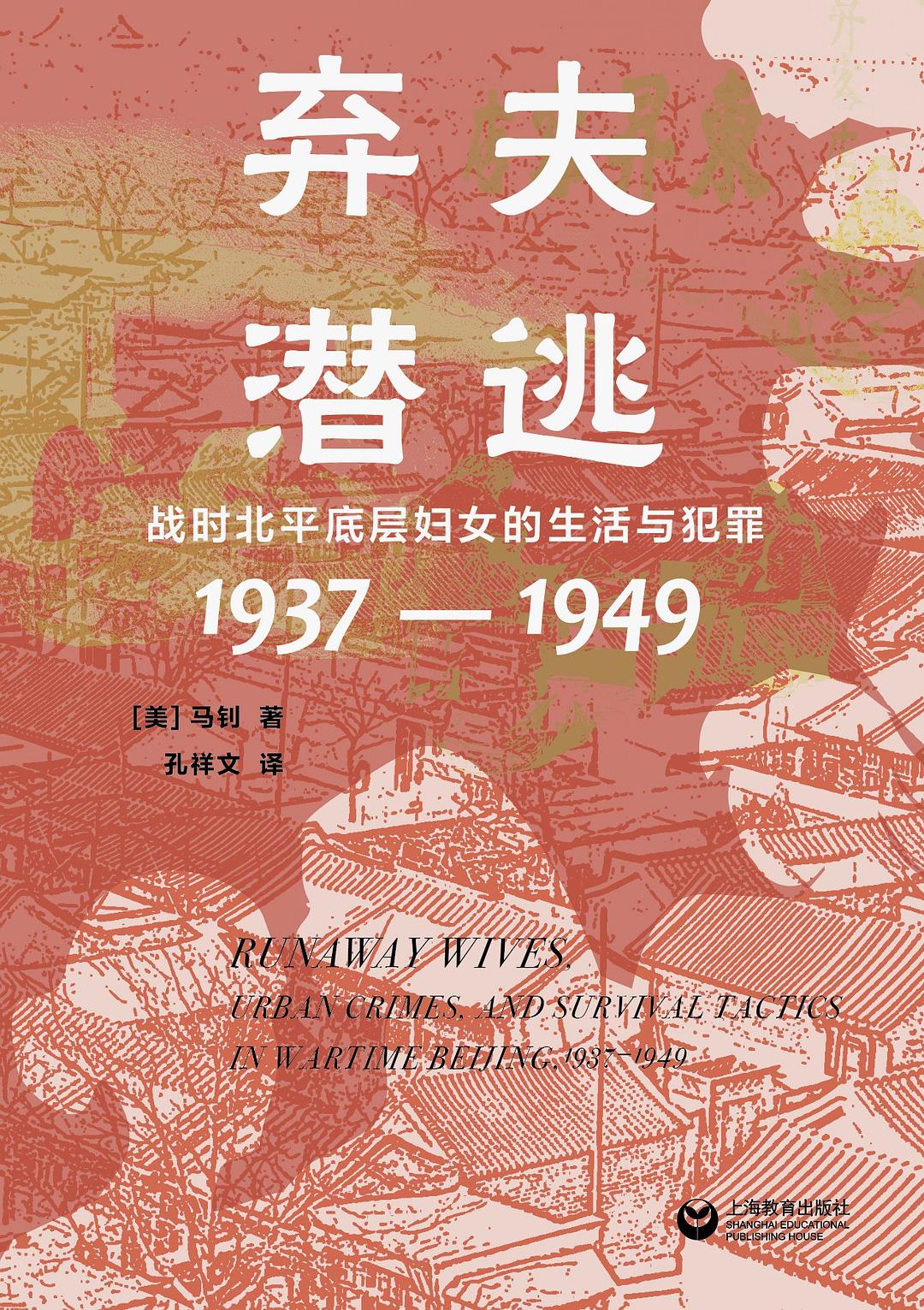
从“弃妇”到“弃夫”:战乱中的女性抉择丨元旦书摘
Di Yi Cai Jing· 2026-01-01 08:53
Core Viewpoint - The article discusses the struggles and experiences of lower-class women in wartime Beijing (1937-1949), highlighting their migration from rural areas to the city in search of better living conditions and opportunities, amidst the backdrop of political turmoil and economic collapse [1][4][9]. Group 1: Migration Patterns - During the period from 1931 to 1937, over 3 million people migrated from Hebei Province, with nearly 33.7% of Beijing's residents being from Hebei after the Japanese occupation in 1937 [4][6]. - The influx of migrants significantly altered the demographic and social landscape of Beijing, with 83% of households living in rented accommodations, indicating a high rental rate and stark differences in housing conditions [2][4]. Group 2: Economic and Social Conditions - The economic decline in rural areas, exacerbated by environmental pressures and political instability, forced many to seek work in urban centers, leading to a significant increase in the urban labor force [5][6][8]. - The decline of rural handicrafts, which constituted about 30% of rural household income, further pushed families to migrate to cities for low-wage jobs in retail and service sectors [6][7]. Group 3: Gender Dynamics - Women like Tian Ma, who migrated to Beijing, often faced domestic abuse and sought refuge in the city, where they hoped to find stability and economic relief, although many encountered new challenges [3][9]. - The article illustrates that the migration of women was not solely driven by the promise of opportunities in the city but was largely a response to the dire circumstances in rural areas [9].

CGI乡村振兴 | 田野对谈之对话甘犁(上):解读中国农村人口迁移新趋势
中金点睛· 2025-08-19 23:41
Core Viewpoint - The article emphasizes the importance of understanding rural areas as the foundation for analyzing contemporary Chinese economic and social development [4]. Group 1: Research and Initiatives - CICC Global Institute has conducted extensive field research across 23 provinces, 67 districts, and 330 villages over the past five years, culminating in the launch of the "Field Dialogues" program to explore rural revitalization [5]. - The program features in-depth discussions with experts in the agricultural sector, aiming to address challenges and pathways in rural revitalization [5]. Group 2: Findings from the China Family Finance Survey - The China Family Finance Survey, initiated in 2009, has documented changes in household economic activities over 15 years, revealing a trend of "nearby migration" among rural families, with population growth in counties and central towns increasing by 25% over the past 10-20 years [7]. - Despite improvements in public services such as education, families migrating to county towns face higher living costs, leading to labor migration and "family separation" issues [8]. - Transitioning to county towns is seen as a more realistic option for rural families compared to moving to large cities, as the latter presents higher living costs that rural assets cannot support [9].