农民进城

Search documents
资本下乡与农民进城:村庄社会如何变迁?
Hu Xiu· 2025-10-08 01:08
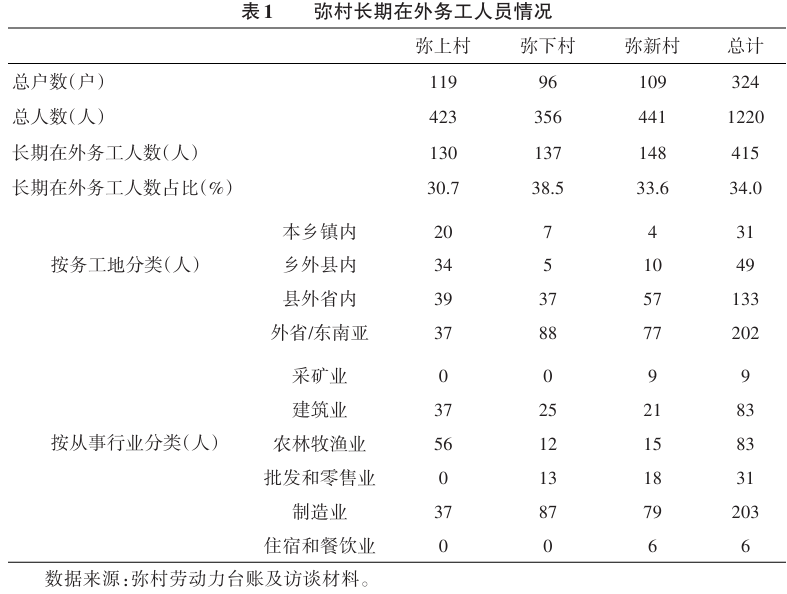
Core Viewpoint - China is undergoing profound transformations in agriculture, characterized by a decrease in agricultural labor and an increase in capital investment, leading to a "de-densification" trend in agriculture and a rapid change in operational forms [1][2][3] Group 1: Agricultural Transformation - The reduction of agricultural labor and the influx of capital into rural areas are reshaping the agricultural landscape, resulting in a more dynamic urban-rural relationship [1][2] - Existing research has explored various aspects of capital flow into rural areas, focusing on land transfer mechanisms and the restructuring of rural industries [1][2][3] - The integration of capital into agriculture has not dismantled traditional social structures but has created a new order that blends modern and traditional elements [2][3] Group 2: Farmer Households as a Microcosm - Farmer households serve as the basic organizational unit of agricultural production and are crucial for understanding rural social dynamics [2][3] - Changes in farmer households reflect broader social transformations, with the interplay of production, family life, and social interactions being key to understanding these shifts [2][3][4] - The family-oriented culture in China influences how farmers adapt to changes brought about by capital influx and urban migration [4][5] Group 3: Capital Influx and Production Changes - The influx of capital into rural areas has led to significant changes in production methods and social interactions within farming communities [12][13] - Case studies from Yunnan Province illustrate how capital investment has altered traditional farming practices and labor dynamics [13][14] - The relationship between farmers and capital providers is often mediated by local social networks, highlighting the importance of interpersonal relationships in agricultural production [22][23] Group 4: Urban Migration and Family Dynamics - Urban migration has transformed the income sources of rural households, with many relying on stable incomes from urban jobs while maintaining ties to their rural roots [25][26][27] - The phenomenon of "hollow villages" is evident, with a significant portion of the labor force working outside their home villages, leading to changes in social structures and family dynamics [26][27][28] - Despite urban migration, rural communities continue to exist, with many families maintaining connections to their villages through seasonal returns and social obligations [31][32][33] Group 5: Social Interactions and Ethical Considerations - The social fabric of rural communities is evolving, with traditional forms of mutual aid being replaced by more structured labor relationships due to urban migration and capital influx [22][24] - Ethical considerations rooted in familial and community ties continue to influence how farmers engage with new economic opportunities and labor arrangements [22][24][25] - The balance between maintaining traditional social networks and adapting to new economic realities is a critical aspect of rural transformation [24][25][26]