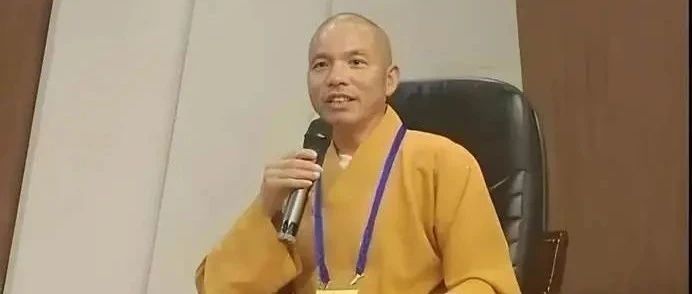
农禅并重

Search documents
两座千年古刹今与昔:实探经历掌门变换的少林寺和白马寺
Nan Fang Du Shi Bao· 2025-08-08 05:20
Core Points - The appointment of Master Yinle as the abbot of Shaolin Temple has generated significant public interest, particularly due to his previous role at Baima Temple, where he emphasized a balance between agriculture and Zen practices [1][9][11] - There are ongoing discussions about the potential changes Master Yinle may bring to Shaolin Temple, especially regarding its commercialization and traditional practices [1][21][24] Group 1: Appointment and Background - Master Yinle was appointed as the abbot of Shaolin Temple on July 29, following a democratic evaluation process [2] - He previously served as the abbot of Baima Temple for nearly 20 years, where he implemented agricultural practices alongside spiritual teachings [11][20] - His philosophy includes maintaining traditional Buddhist values while resisting negative commercial influences [1][27] Group 2: Visitor Experience and Commercialization - Following Master Yinle's appointment, there have been mixed reviews from visitors regarding the commercialization of Shaolin Temple, with some noting a reduction in commercial activities [5][7] - The temple has implemented online ticketing to manage visitor flow during the peak tourist season, although initial announcements caused confusion [3][21] - Despite rumors of free entry to the temple, staff have denied these claims, emphasizing that the temple remains a commercial entity [5][21] Group 3: Agricultural Practices - Master Yinle is known for his agricultural initiatives at Baima Temple, where he utilized idle land for farming, producing crops like soybeans and wheat [11][13][16] - This approach reflects his belief in self-sufficiency and the integration of agricultural work with spiritual practice [13][27] Group 4: Future Directions - The future direction of Shaolin Temple under Master Yinle remains uncertain, but his past statements suggest a commitment to preserving the temple's traditional character while managing its commercial aspects [24][28] - Observers note that Master Yinle's consistent philosophy over the years indicates a potential for maintaining the temple's integrity amidst commercial pressures [26][27]

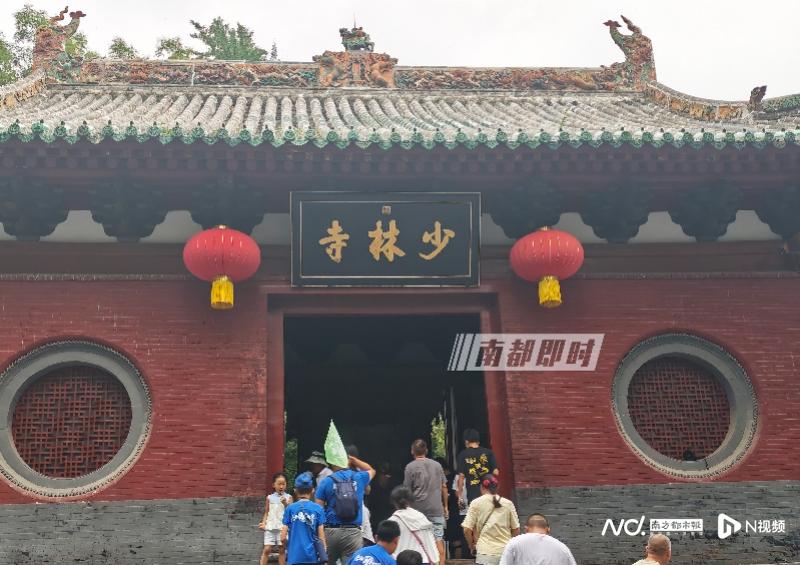
开挖机、不爱商业,少林寺来了位不一样的住持
Hu Xiu· 2025-07-31 00:09
Core Viewpoint - The appointment of Yinle Master as the new abbot of Shaolin Temple comes shortly after the announcement of a multi-department investigation into the previous abbot, Shi Yongxin, raising questions about the temple's commercialization and future direction [1][2][6]. Group 1: Appointment and Background - Yinle Master, aged 59, has a long history in the Buddhist community, having been ordained in 1982 and holding various positions within the Buddhist associations in China [3][4]. - He has served as the abbot of Baima Temple for 20 years, where he has been recognized for his traditional approach to Buddhism [4][5]. Group 2: Approach to Commercialization - Yinle Master has a contrasting view on commercialization compared to his predecessor, emphasizing the importance of maintaining traditional Buddhist practices and culture [5][21]. - He has expressed concerns about the commercialization of temples, stating that Baima Temple has not applied for any trademarks and aims to avoid marketization [25][26]. - Yinle Master has actively opposed the registration of Buddhist temple names as trademarks, advocating for the protection of Buddhist heritage [27][28]. Group 3: Management Style and Practices - Yinle Master promotes a "farm and Zen" approach, encouraging monks to engage in agricultural work alongside their spiritual practices [7][13]. - He has implemented structured learning for monks, inviting experts to teach various subjects related to Buddhism [15]. - Under his leadership, Baima Temple has undergone expansions to restore its historical significance, with a focus on international collaboration [19][20]. Group 4: Public Perception and Future Challenges - Yinle Master's low-profile approach contrasts with the previous abbot's public persona, as he avoids social media and public appearances [8][10]. - The challenge remains for him to manage a temple with a rich history while steering clear of the commercialization pitfalls that have affected other temples [31].

开挖机、不爱商业,少林寺来了位不一样的住持
凤凰网财经· 2025-07-30 13:21
Core Viewpoint - The appointment of Yinle as the new abbot of Shaolin Temple comes after the investigation of the previous abbot, Shiyongxin, raising questions about the commercialization of the temple and the preservation of traditional Buddhist values [1][2]. Group 1: Background of Yinle - Yinle, aged 59, has a long history in the Buddhist community, having been ordained in 1982 and serving in various roles, including as the abbot of Baima Temple for 20 years [2][3]. - His approach to commercialization contrasts sharply with that of his predecessor, as he emphasizes maintaining traditional Buddhist practices and values [2][3]. Group 2: Yinle's Management Style - Yinle is known for his low-profile management style, avoiding social media and public attention, focusing instead on practical tasks such as tree maintenance and farming activities [3][4][5]. - He adheres to the "work and meditation" tradition, ensuring that monks engage in agricultural work while also dedicating time to study and learning [7][9]. Group 3: Approach to Commercialization - Yinle has shown a cautious attitude towards commercialization, having previously rejected proposals to commercialize the Baima Temple brand and emphasizing the need to preserve the temple's traditional character [12][15]. - He has actively campaigned against the registration of Buddhist temple names as trademarks, highlighting the potential negative impact on the reputation of Buddhism [16][18]. - Unlike Shaolin Temple, which has developed a significant commercial presence, Baima Temple under Yinle remains free from commercial enterprises, focusing instead on spiritual and cultural preservation [19].