创作平权

Search documents
AI会加剧音乐注意力危机吗?
3 6 Ke· 2026-02-25 05:24
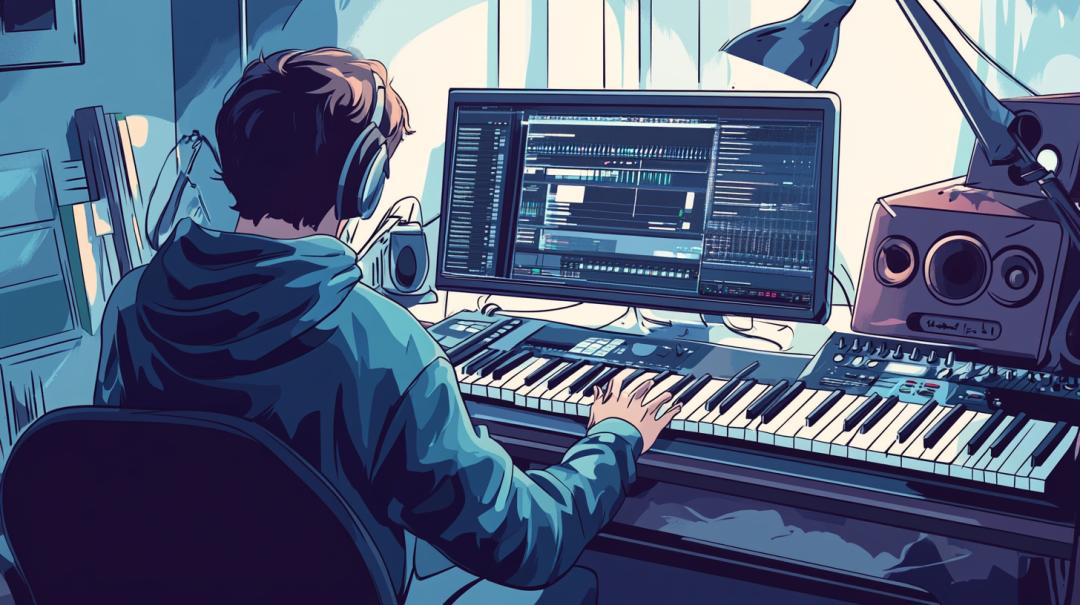
Core Insights - The music industry is experiencing a significant transformation driven by AI, leading to an unprecedented increase in song releases and a shift in how value is distributed among creators and platforms [1][4][26] Group 1: AI Impact on Music Creation - By 2025, the number of new songs is projected to reach 51.2 million, a 2.6 times increase compared to 2024, largely attributed to the explosion of AI-generated music [1][4] - A survey indicated that 87% of musicians are using AI in some capacity, up from 48% in 2024, with beginners being more inclined to use AI tools [2][4] - The rise of "creative equity" allows non-professionals to enter the music creation space, significantly expanding the supply of music content [4][19] Group 2: Attention Competition - The music market is facing an oversupply of content, with 94.3% of new songs having fewer than 1,000 streams, making it increasingly difficult for creators to gain visibility [6][7] - The competition for attention is intensifying, with shorter songs and formulaic structures emerging as strategies to capture limited listener attention [11][18] - AI is pushing this competition to new levels by lowering barriers to entry, allowing anyone to become a "versatile creator" capable of producing music [13][15] Group 3: Economic Implications - Despite the increase in song uploads, only a small fraction of musicians earn significant income, with 94.8% of Spotify artists having fewer than 1,000 monthly listeners [19][20] - The distribution of attention remains highly concentrated, with a few artists capturing the majority of streams and revenue [22][23] - AI is redefining the music economy, shifting from a focus on passive consumption to interactive and participatory experiences, allowing creators to monetize their work in new ways [26][27]


AI视频越来越长,影视行业这回真能创作平权了?
创业邦· 2025-11-26 10:35
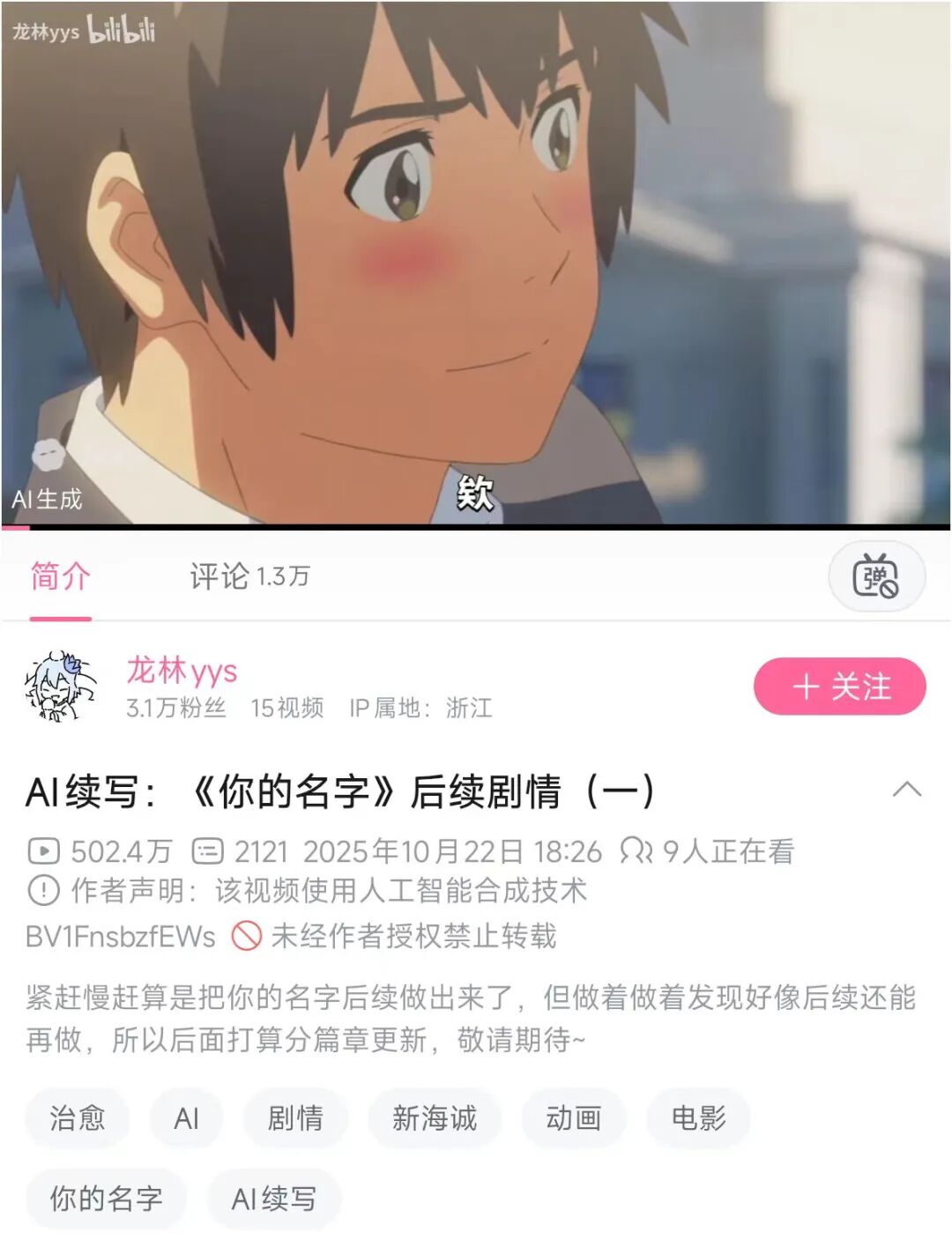
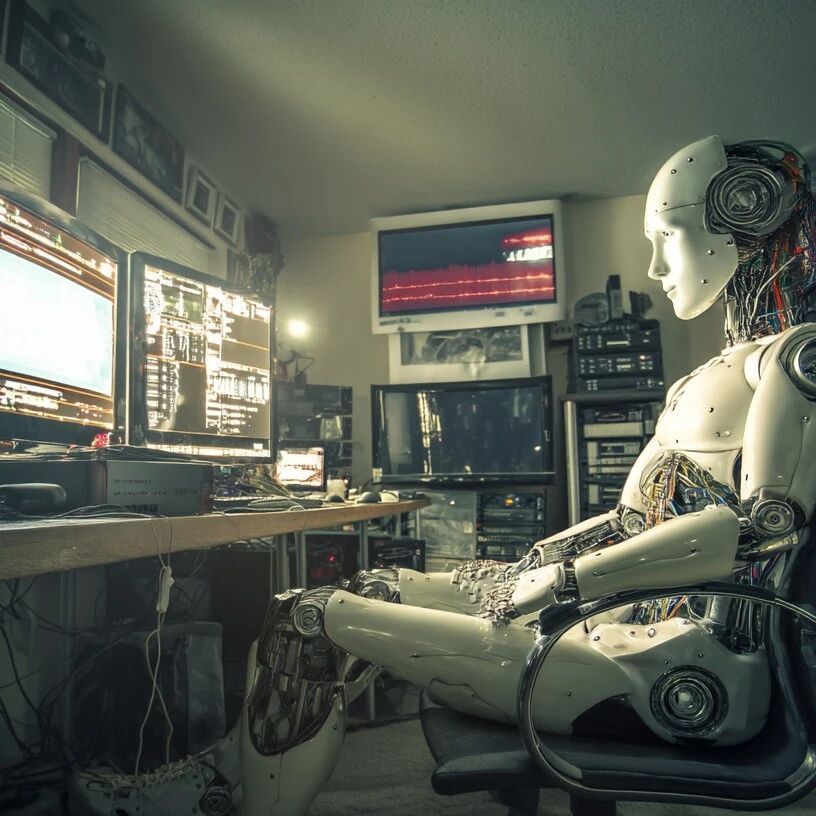
Core Insights - The emergence of longer AI-generated videos marks a significant shift in the entertainment industry, with video lengths increasing from under 2 minutes to over 5 minutes, and even approaching 30 minutes [5][9] - AI is transforming traditional filmmaking workflows, allowing for a more iterative and flexible creative process, which may lead to a redistribution of creative power back to directors and writers [9][21][29] Group 1: AI Video Development - Recent AI video projects have demonstrated longer formats, with examples like the Bilibili creators achieving over 500 million views for videos exceeding 5 minutes [5][8] - The "Youth Director Cooperation Program" initiated by Jimeng AI has produced several AI shorts, showcasing a unified visual style and narrative structure [8][9] - The increase in video length indicates that AI has developed sufficient narrative capabilities and can create content with distinct visual styles [11][15] Group 2: Creative Process Transformation - AI is reshaping the linear and non-revisable creative processes of traditional filmmaking into a cyclical and sustainable trial-and-error workflow [9][21] - This new workflow allows script and audiovisual departments to work simultaneously, enabling creators to make adjustments even in later stages of production [9][22] - The flexibility of AI tools allows creators to iterate quickly, fostering a more authentic creative state [9][22][30] Group 3: Impact on Industry Roles - The rise of AI-generated content is expected to disrupt traditional film industry roles, particularly in production departments, where up to 90% of on-site filming positions may become redundant [27] - While AI can reduce costs, the real impact lies in the reallocation of creative authority back to directors and writers, allowing them to regain control over their projects [29][30] - The traditional hierarchical structure of filmmaking is being challenged, leading to a more egalitarian creative environment [29][30] Group 4: Future of AI in Filmmaking - The industry is witnessing a growing trend of creators from both short video and traditional film backgrounds experimenting with AI long-form content [19][39] - AI long videos are seen as a potential solution to the challenges faced by creators in securing funding and support for their projects [37] - The ongoing evolution of AI tools and models is expected to enhance the quality and accessibility of content creation, leading to a more open and efficient creative landscape [39]
AI视频越来越长,影视行业这回真能创作平权了?
3 6 Ke· 2025-11-23 23:29
Core Insights - The emergence of longer AI-generated videos marks a significant shift in the industry, with video lengths increasing from under 2 minutes to over 5 minutes, and even approaching 30 minutes [1][4][6] - This transformation is not just about length; it indicates a fundamental restructuring of the traditional film industry's creative processes, allowing for more iterative and flexible workflows [4][26][29] Group 1: Industry Trends - AI-generated videos are gaining traction, with notable examples achieving millions of views, such as the AI sequel to "Your Name" and the series "Making Six Dishes from Ancient Dragons" [1][6] - The "Youth Director Collaboration Plan" initiated by Jimeng AI has produced several AI short films, showcasing a unified visual style and coherent narrative structure [4][10] - The traditional linear creative process is being replaced by a cyclical, sustainable trial-and-error approach, enabling simultaneous work on scripts and audiovisual elements [4][19][29] Group 2: Creative Empowerment - The shift towards AI in video production is seen as a move towards creative equality, with directors and writers regaining control over their work, which had previously been diluted by industry hierarchies [4][26][29] - AI tools allow creators to quickly iterate and refine their projects, fostering a more authentic creative environment [4][29][33] - The emergence of AI long-form content is expected to democratize filmmaking, reducing barriers to entry and enabling more creators to produce work that resonates with audiences [26][29][37] Group 3: Production Workflow Changes - The traditional film production workflow, characterized by strict sequential phases, is being transformed into a more flexible and iterative process, allowing for real-time adjustments [17][19][29] - AI enables creators to revisit earlier stages of production easily, facilitating a more dynamic and responsive creative process [19][20][29] - The integration of AI tools is leading to a potential reduction in the number of traditional production roles, particularly in on-site filming, as AI can handle many tasks previously requiring human labor [25][26] Group 4: Future Outlook - The industry is witnessing a growing trend of creators from both traditional and short video backgrounds experimenting with AI long-form content, indicating a shift towards more scalable and sustainable creative practices [15][37] - As AI-generated content becomes more prevalent, the competition within the industry is expected to intensify, leading to a potential restructuring of creative authority and production dynamics [37] - The acceptance of AI-generated long videos by audiences remains uncertain, but there is optimism that this technology could lead to a more open, efficient, and creative filmmaking landscape [37]